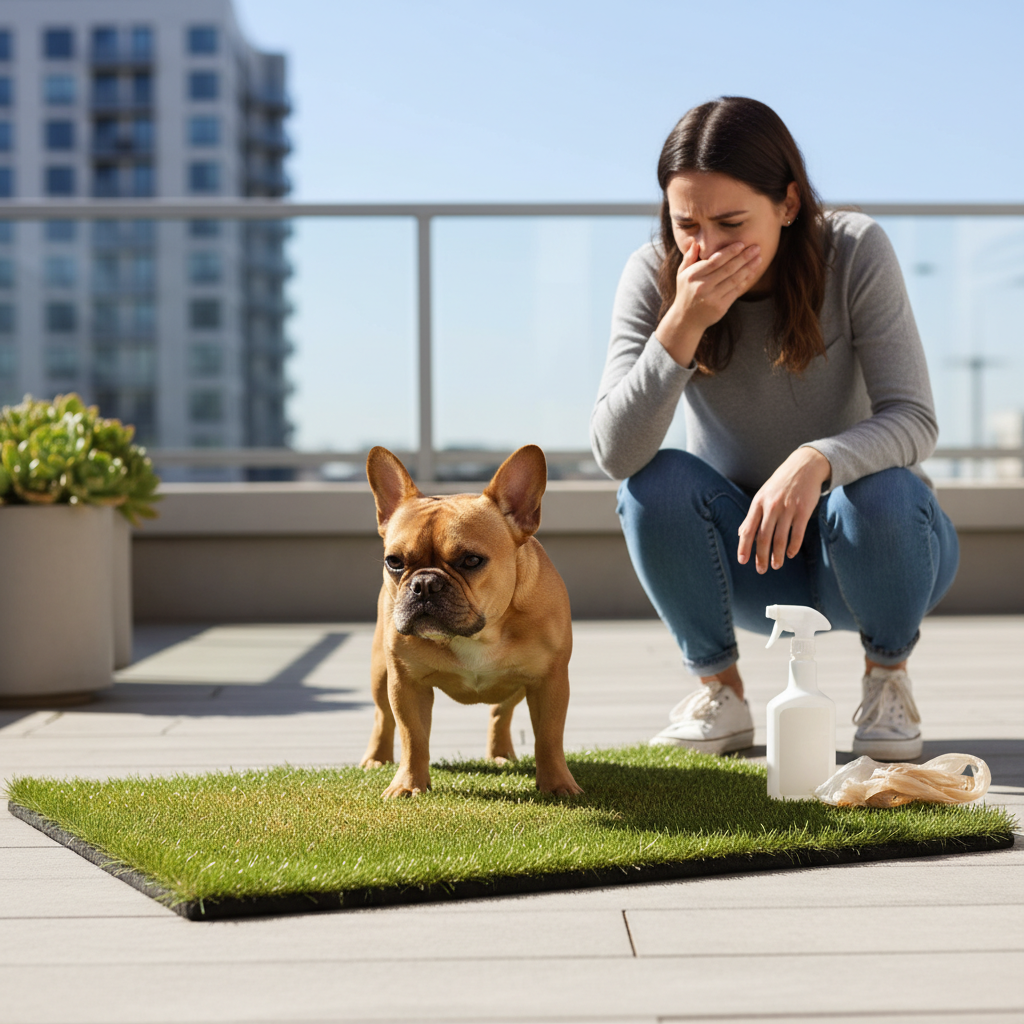
As a pet owner, a grass pad can be a game-changer for managing your furry friend’s bathroom needs, especially in urban environments or during bad weather. These convenient patches offer an indoor or patio solution, mimicking natural grass to encourage your dog to “go” in a designated spot. However, the initial convenience can quickly turn into a pungent problem when, after just a month or so, your once-fresh grass pad starts emitting an unpleasant odor. This common issue leaves many owners wondering: why does my grass pad smell so bad, and what can I do about it?
What Exactly Are Grass Pads?
Grass pads come primarily in two forms: natural and synthetic. Natural grass pads utilize real grass, often in a biodegradable tray, offering an authentic texture and scent that many dogs instinctively prefer. They naturally absorb some odors and are environmentally friendly. Synthetic grass pads, on the other hand, are crafted from artificial materials designed to replicate the look and feel of grass. These reusable options are often more affordable upfront and can be easier to clean, but they lack the natural odor-absorbing properties of living grass. Both types aim to provide a convenient and consistent potty solution for pets, serving as an effective training aid and a reliable spot for relief.
The Science Behind the Stink: Why Odor Takes Hold
The primary culprit behind a smelly grass pad is pet urine. Dog urine contains urea, a nitrogen-rich compound. When left on the pad, this urea doesn’t simply disappear; it begins a chemical transformation. Naturally occurring bacteria, thriving in the warm, moist environment of a used grass pad, break down the urea. This decomposition process releases ammonia, which is responsible for the sharp, acrid odor that becomes increasingly noticeable over time.
This bacterial activity is a relentless cycle. Each time your pet urinates, new organic matter is introduced, feeding the bacteria and intensifying the ammonia production. The porous nature of many grass pad materials, whether natural soil or synthetic fibers, allows urine to soak in and become a breeding ground. Without consistent and effective cleaning, this buildup of bacteria and ammonia will inevitably lead to a strong, persistent stench.
Common Culprits: Factors That Accelerate Odor Development
Several elements can transform a mild, occasional whiff into an unbearable odor, making your grass pad a source of discomfort. Understanding these factors is the first step toward effective management.
Material Quality and Absorption
|
Our Picks for the Best Air cooler in 2026
As an Amazon Associate I earn from qualifying purchases.
|
||
| Num | Product | Action |
|---|---|---|
| 1 | DREO Tower Fan for Bedroom, 43" Cooling Fans That Blow Cold Air 2026 Upgraded, Evaporative Air Cooler, Quiet 80° Oscillating Floor Fan, Easy Cleaning, APP Control, 4 Modes & 4 Speeds, 12H Timer, Black |

|
| 2 | Portable Air Conditioners, 3-IN-1 Evaporative Air Cooler,Cooling Fans that Blow Cold Air with 60° Oscillation,9H Timer,3 Modes & 12 Speeds, 8 Ice Packs, Windowless Portable AC for Room,Bedroom,Office |
|
| 3 | Arctic Air Pure Chill 2.0 Evaporative Air Cooler by Ontel - Powerful, Quiet, Lightweight and Portable Space Cooler with Hydro-Chill Technology For Bedroom, Office, Living Room & More,Blue |
|
| 4 | Portable Air Conditioners, Swamp Cooler Portable AC Unit for Room, Windowless Cooling Fan That Blow Cold Air w/Remote 5L Tank 12 Speeds 9H Timer, Evaporative Air Cooler for Bedroom Garage (White) |
|
| 5 | 3-in-1 Portable Evaporative Air Cooler - 2000 CFM Swamp Cooler with 6.6-Gal Dual Tank & 4 Ice Packs, Remote Control, 12H Timer, Oscillating Cooling Fan for Large Room, Office, Mother's Day |
|
| 6 | Evaporative Air Cooler - Swamp Cooler with 3L Water Tank, 3 Modes & 3 Speeds, Remote Control, 12H Timer, 50° Oscillating Portable Bladeless Cooling Tower Fan For Room Bedroom Office Mother's Day |
|
| 7 | LEVOIT Tower Fan for Bedroom, 90° Oscillating Standing Fan with 28dB Quiet for Sleep, 25ft/s Velocity, 12H Timer, 5 Speeds 4 Modes, Remoter, Bladeless Room Fan for Home, Office, Indoor, 36 inch, White |
|
| 8 | DREO Tower Fan for Bedroom, 2026 Upgraded DC Motor, 28ft/s High Velocity, 20dB Ultra Quiet Standing Fan, 8 Speeds 4 Modes, 90° Oscillating Bladeless Fan for Indoors, Floor Fans with Remote, Black |
|
| 9 | Midea 5,000 BTU EasyCool Small Window Air Conditioner - Cool up to 150 Sq. Ft. with Easy-to-Use Mechanical Controls and Reusable Filter, Perfect for Small Bedroom, Living Room, Home Office |
|
| 10 | DREO Evaporative Air Swamp Cooler, 43" Cooling Fans that Blow Cold Air 2026 Upgraded, 80° Oscillating Floor Fan for Bedroom, Easy Cleaning, APP Control, Ice Packs, 4 Speeds & 4 Modes, 12H Timer, White |
|
The construction of your grass pad plays a significant role in how quickly and intensely odors develop. Lower-quality synthetic materials often have less effective drainage systems or are more absorbent, allowing urine to linger within the fibers and backing. This creates an ideal habitat for odor-causing bacteria. Similarly, while natural grass absorbs some waste, a saturated natural pad can also become overwhelmed, leading to persistent smells if not managed properly.
Inadequate Drainage Systems
Whether natural or artificial, proper drainage is paramount. If a grass pad lacks sufficient drainage, urine can pool at the base or remain trapped within the layers. Stagnant moisture significantly accelerates bacterial growth and, consequently, ammonia production. Pads without a raised grate or a well-designed permeable backing are particularly susceptible to this issue.
Infrequent or Improper Cleaning
One of the most common reasons for a smelly grass pad is simply a lack of regular, thorough cleaning. A quick rinse might wash away surface urine, but it often fails to eliminate the embedded bacteria and urea. Without routine deep cleaning using appropriate solutions, these odor-causing compounds accumulate, making the smell more stubborn and harder to remove over time. Consistent cleaning is not just about hygiene; it’s about breaking the bacterial cycle.
Ventilation Issues
The environment where the grass pad is placed also impacts odor. Poor ventilation, such as placing the pad in a confined or enclosed space, traps moisture and odors. This creates a humid, stagnant atmosphere that encourages bacterial growth and prevents the pad from drying out naturally. Adequate airflow is crucial for allowing urine to evaporate and dissipating existing odors.
Frequency of Use
Naturally, a grass pad used multiple times a day by one or more pets will accumulate waste much faster than one used occasionally. High-traffic pads require more frequent and intensive cleaning to prevent odor buildup. The sheer volume of urine deposited contributes directly to the bacterial load and the speed at which odors intensify.
Proactive Measures: Preventing Odor Before It Starts
Stopping odor before it takes hold is far easier than trying to eliminate an entrenched stench. A proactive approach involves mindful choices about your grass pad and its environment.
Choosing the Right Pad
When selecting a grass pad, look for features designed to combat odor. For synthetic options, prioritize those with excellent drainage systems, such as elevated grates or highly permeable backings that allow liquids to flow through quickly. Some synthetic pads also incorporate anti-microbial treatments or specialized infills (like zeolite) that help neutralize ammonia. For natural grass pads, consider providers known for fresh, high-quality grass that is regularly replaced.
Optimal Placement and Ventilation
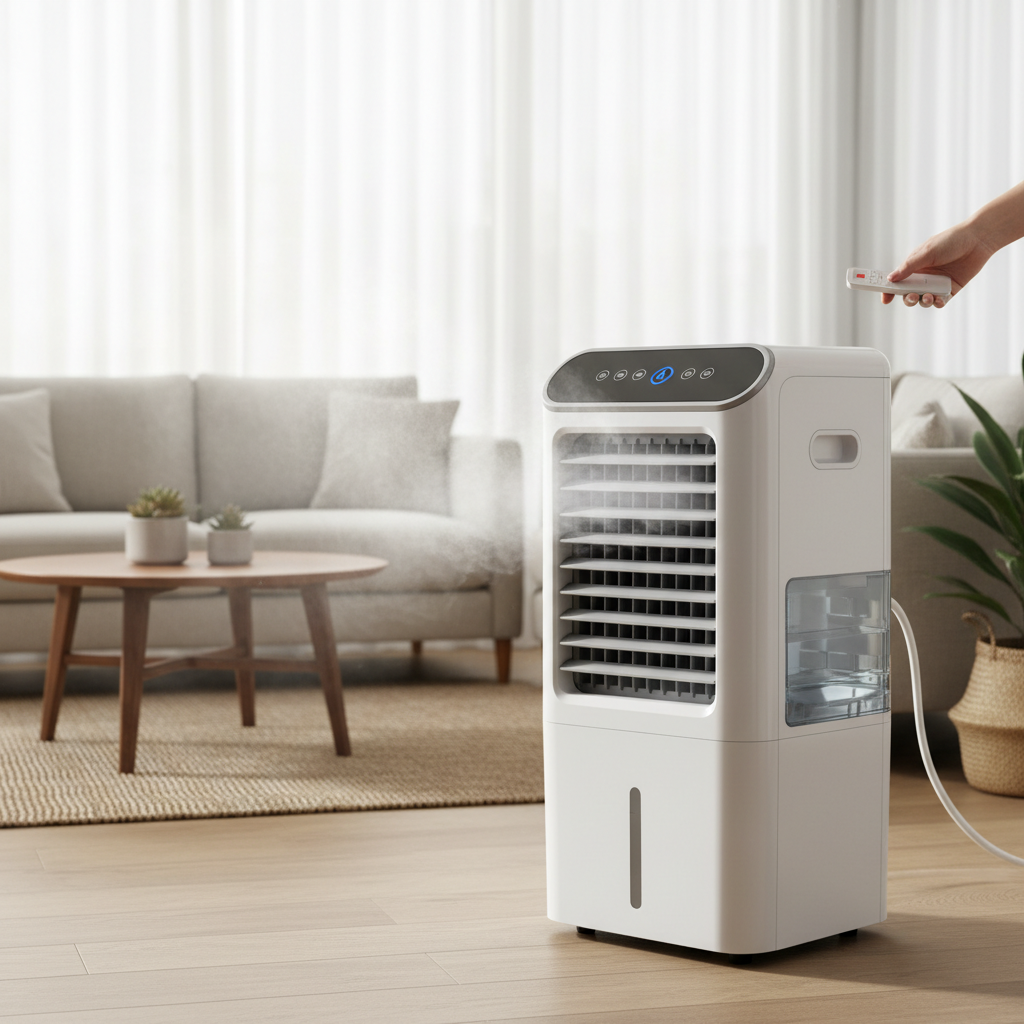
Location is key to preventing odor. Place your grass pad in an area with good airflow, ideally near an open window, door, or fan. Good ventilation helps evaporate moisture and disperses odors before they concentrate. Avoid tucking the pad into small, enclosed spaces like laundry rooms or tight corners where air circulation is limited. Natural drying is a powerful ally against bacteria and foul smells.
Daily Spot Cleaning
Immediate action after each use, or at least daily, can make a huge difference. Remove any solid waste promptly. For urine, a quick rinse with water can help, but for synthetic pads, consider a daily spray with a diluted enzymatic cleaner or a simple vinegar-and-water solution. This daily effort prevents urine from saturating the pad and keeps bacterial growth in check.
The Importance of Rotation
If feasible, rotating the location of your grass pad every few days or weeks can prevent one spot from becoming overly saturated and smelly. This allows different areas underneath and around the pad to air out and dry. Rotation also encourages you to clean the floor beneath the pad more thoroughly, preventing residual odors from seeping into your home’s surfaces.
Banishing the Bad: Effective Cleaning and Deodorizing Strategies
Once odor has taken root, a consistent and thorough cleaning regimen is essential to reclaim a fresh-smelling environment. This involves more than just a cursory rinse.
Routine Maintenance
For synthetic grass pads, establish a regular cleaning schedule beyond daily spot treatments. At least once a week, thoroughly rinse the pad with a hose, ensuring water penetrates all the way through to flush out trapped urine. For a deeper clean, use a scrub brush with warm, soapy water (pet-safe dish soap works well) to agitate the fibers and backing, then rinse extensively until all soap and residue are gone. Allow the pad to air dry completely before returning it to its spot. Many owners find having a second pad to swap out during cleaning and drying is incredibly helpful.
The Power of Enzymatic Cleaners
Enzymatic cleaners are highly effective for pet odors because they don’t just mask smells; they break down the organic molecules that cause them. These cleaners contain beneficial enzymes that target urea and other waste by-products, neutralizing the odor at its source. Spray the affected area generously, allowing the solution to soak in and work its magic for the time specified on the product label. Many popular brands, such as Rocco & Roxie Professional Strength Stain & Odor Eliminator, Nature’s Miracle, and Hepper Advanced Bio-Enzyme Pet Stain & Odor Eliminator, are excellent choices specifically formulated for pet waste.
Natural Remedies
For those who prefer natural solutions, white vinegar and baking soda are powerful deodorizers. A solution of equal parts white vinegar and water can be sprayed generously onto the grass pad, left to sit for 10-15 minutes, and then rinsed thoroughly. Vinegar neutralizes ammonia and acts as a mild disinfectant. Baking soda can be sprinkled over a dry grass pad or beneath it to absorb lingering odors. Let it sit for a few hours before sweeping or vacuuming it away. These methods are safe for pets and eco-friendly.
Deep Cleaning Protocols
Periodically, a more intensive deep clean may be necessary, especially for highly-used synthetic pads. This could involve soaking the entire pad in a diluted enzyme cleaner solution in a large tub or utility sink, followed by a thorough rinse and sun-drying. For natural grass pads, replacing the grass regularly is the most effective deep-cleaning protocol, as the living grass eventually reaches its saturation point and loses its odor-absorbing capacity.
Troubleshooting Common Odor Challenges
Even with best practices, you might encounter specific odor challenges that require targeted solutions.
Persistent Ammonia Smell
If the sharp ammonia odor persists despite regular cleaning, it often indicates a deep saturation of urine and bacteria within the pad’s layers or the surface beneath. Re-evaluate your cleaning routine, ensuring you are using an enzymatic cleaner that effectively breaks down these compounds. Also, check for proper drainage and ventilation, as stagnant moisture will continuously feed the problem. Consider a stronger enzyme treatment or, for synthetic pads, a specialized infill designed to absorb ammonia.
Mold or Mildew Odor
A musty, earthy smell, distinct from ammonia, usually points to mold or mildew growth. This occurs in consistently damp, poorly ventilated conditions. To combat this, improve air circulation, ensure the pad dries completely after each use, and deep clean with a mild bleach solution (heavily diluted, followed by extensive rinsing to ensure no residue remains for your pet) or a specialized mold-killing product safe for the pad’s material. For natural grass, this might mean more frequent replacement or relocation to a sunnier spot.
When to Replace Your Grass Pad
Unfortunately, no grass pad lasts forever, especially those used regularly. For natural grass pads, consistent replacement (typically every 2-4 weeks, depending on use) is part of their design. For synthetic pads, if odors become truly embedded and resistant to all cleaning efforts, or if the material itself starts to degrade, it might be time for a replacement. Persistent odor can be a sign that the pad’s integrity, drainage, or anti-microbial properties have been compromised beyond repair.
Table: Comparing Odor Control Solutions
| Solution Type | How it Works | Best For | Frequency |
|---|---|---|---|
| Enzymatic Cleaners | Breaks down organic molecules (urea, ammonia) | Deep-set odors, persistent smells, routine deep cleaning | Weekly/Bi-weekly |
| Vinegar & Water | Neutralizes alkaline odors, mild disinfectant | Daily maintenance, light odors, non-toxic option | Daily/Every few days |
| Baking Soda | Absorbs odors, mild abrasive for scrubbing | Underneath pad, localized odor absorption, refreshing | As needed/Weekly |
| Proper Drainage | Prevents liquid pooling and bacterial growth | Foundational odor control for new pad selection | Continuous |
| Good Ventilation | Dries out moisture, disperses odors | Preventing mold/mildew, overall freshness | Continuous |
Conclusion
A grass pad can be an invaluable tool for pet owners, offering convenience and a dedicated potty spot for your dog. However, the inevitable development of a foul odor after a month or so of use doesn’t have to be a permanent fixture in your home. By understanding the scientific reasons behind the stink—primarily the bacterial breakdown of urine into ammonia—and actively addressing the contributing factors like poor drainage, inadequate cleaning, and insufficient ventilation, you can effectively manage and prevent unpleasant smells.
Implementing proactive measures, such as choosing the right pad and ensuring good airflow, coupled with a diligent cleaning routine involving enzymatic cleaners or natural remedies like vinegar and baking soda, will keep your grass pad fresh and inviting. Don’t let a stinky situation deter you from the benefits of a grass pad; consistent care ensures a clean and happy environment for both you and your beloved pet. What cleaning methods have you found most effective in maintaining a fresh grass pad for your dog?
Câu Hỏi Thường Gặp
How often should I clean my dog’s grass pad?
For optimal freshness, synthetic grass pads should be spot-cleaned daily and deep-cleaned at least once a week with an enzymatic cleaner and thorough rinsing. Natural grass pads typically require replacement every 2-4 weeks, depending on how often they are used, as their natural absorption capacity is finite. Consistent cleaning prevents odor buildup and bacterial growth.
Can I use bleach on my artificial grass pad?
While bleach can disinfect and kill bacteria, it’s generally not recommended for regular use on artificial grass pads. Bleach can degrade the synthetic fibers over time, potentially altering their color or texture. More importantly, residual bleach can be harmful to pets. If used, it must be heavily diluted (e.g., 1 part bleach to 10 parts water) and rinsed meticulously with copious amounts of water to ensure no residue remains.
Are natural grass pads better for odor than synthetic ones?
Natural grass pads offer some inherent odor absorption due to the living grass and soil, which can break down urine more effectively than synthetic materials. However, their capacity is limited, and they still require regular replacement to prevent saturation and odor buildup. Synthetic pads rely entirely on cleaning and drainage to manage odor, meaning a good cleaning regimen is crucial.
What causes the strong ammonia smell in dog urine?
The strong ammonia smell in dog urine is caused by the bacterial decomposition of urea, a waste product found in urine. When urine is left to sit on a surface, bacteria present in the environment break down the urea into ammonia, creating the characteristic pungent odor. This process is accelerated by warmth and moisture.
How long do grass pads typically last before needing replacement?
The lifespan varies significantly between types. Natural grass pads are designed for regular replacement, typically every 2-4 weeks, as they are living organisms that eventually become saturated. High-quality synthetic grass pads can last anywhere from 6 months to over a year with proper care and maintenance, but eventually, their drainage capabilities or anti-microbial treatments may diminish, leading to persistent odor.