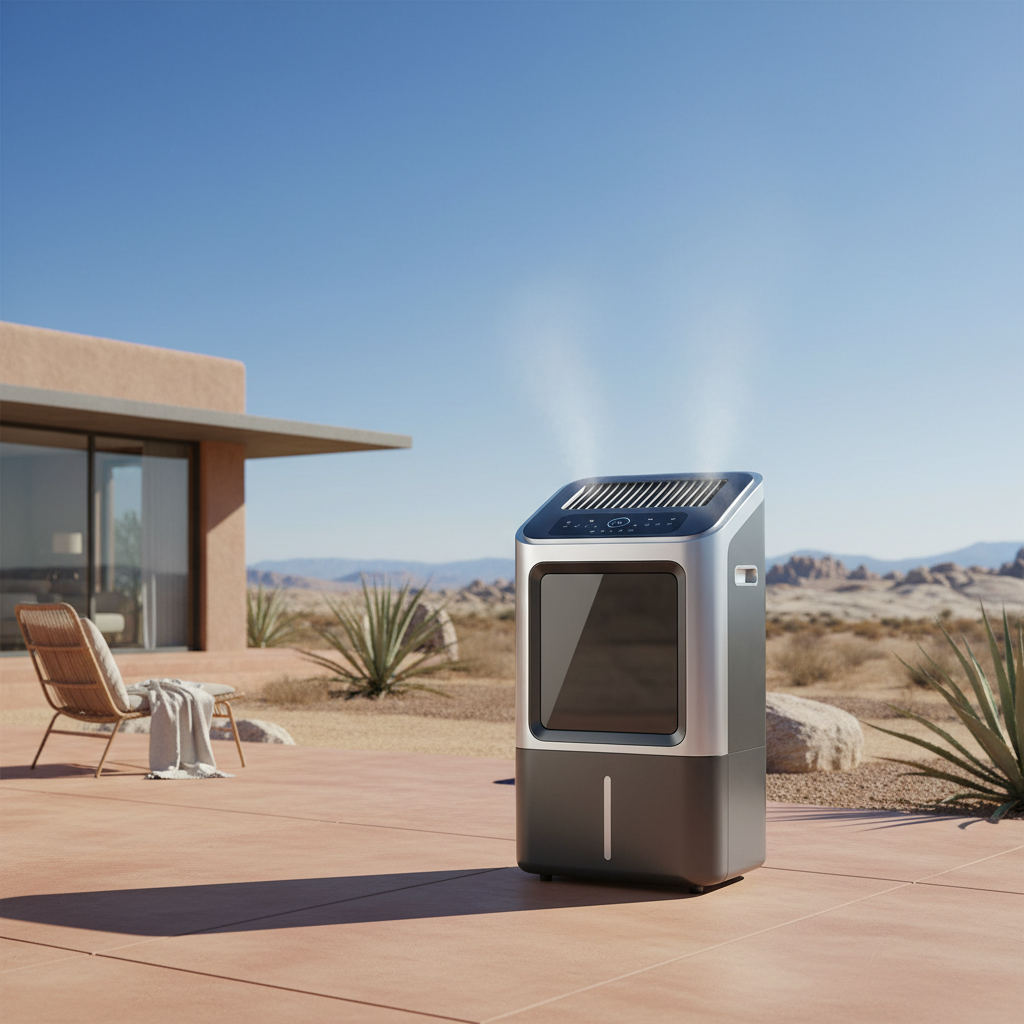
Stepping into a cool, refreshing space on a sweltering day feels like pure bliss. Many homeowners turn to air coolers, attracted by their energy efficiency and natural cooling approach. However, a common misunderstanding often prevents people from experiencing the full benefits of these clever devices. Unlike air conditioners that thrive in sealed environments, air coolers demand an open dialogue with the outside world. Keeping your windows open isn’t just a suggestion; it’s a fundamental requirement for optimal performance and your ultimate comfort.
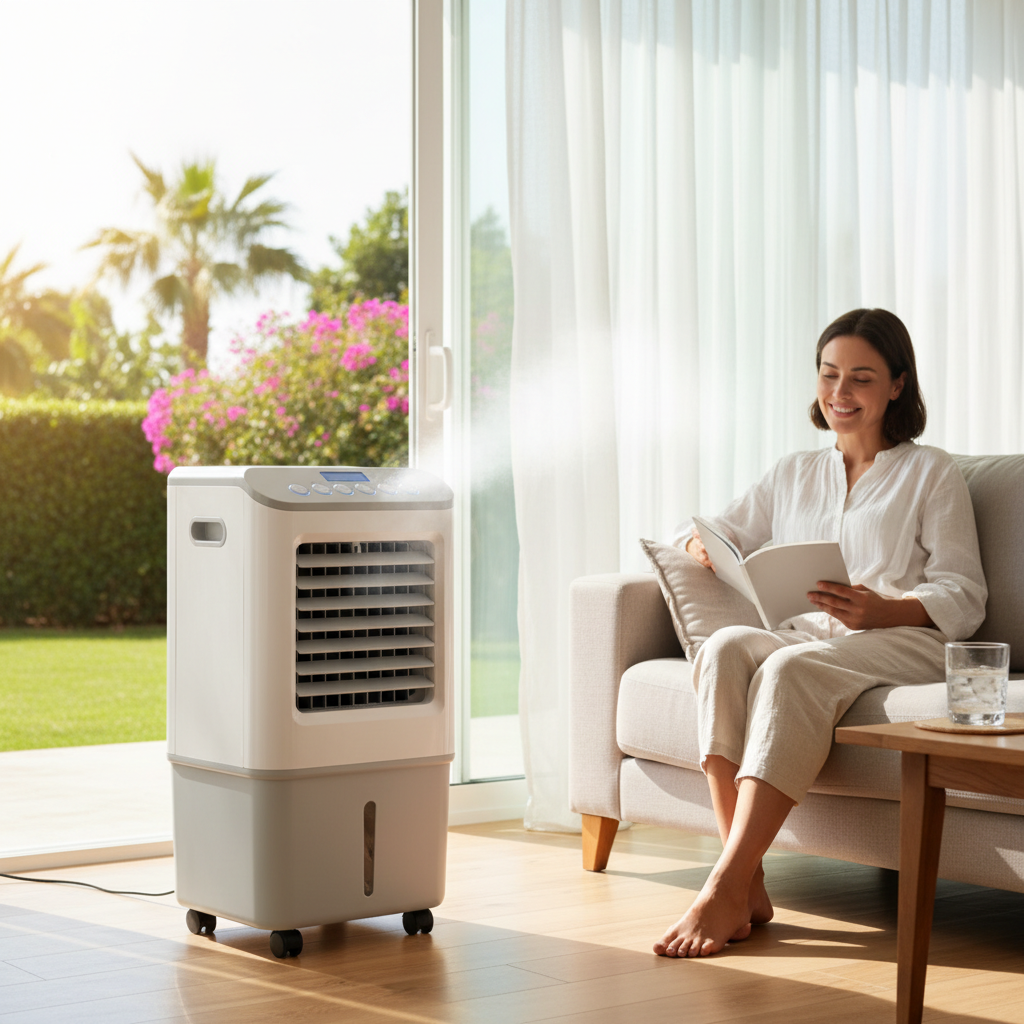
This article will delve into the science behind evaporative cooling, explain the critical reasons why ventilation is paramount, and guide you on how to best utilize your air cooler to create a genuinely pleasant indoor climate.
Understanding Air Coolers: The Evaporative Principle
At their core, air coolers, often called evaporative coolers or swamp coolers, harness a centuries-old natural phenomenon: evaporation. When water evaporates, it absorbs heat from its surroundings, leading to a cooling effect.
Here’s a breakdown of the basic process:
- Drawing in Warm Air: A powerful fan within the unit pulls in warm, dry air from your room.
- Passing Over Wet Pads: This air then flows over specially designed cooling pads, which are kept continuously saturated with water by an internal pump.
- Evaporation and Cooling: As the warm air passes through these wet pads, the water on the pads evaporates. This phase change requires energy (heat), which is drawn from the air itself.
- Releasing Cooled, Moist Air: The result is cooler, slightly humidified air that is then circulated back into your living space, providing a refreshing breeze.
The key distinction here is the addition of moisture to the air, which sets air coolers apart from air conditioners and dictates their unique ventilation requirements.
The Critical Role of Ventilation: Why Open Windows Are Non-Negotiable
For an air cooler to operate effectively and provide the comfort you seek, proper ventilation is not merely beneficial—it’s absolutely essential. Ignoring this crucial step can lead to a less effective and even uncomfortable cooling experience.
Preventing Humidity Trap and Discomfort
|
Our Picks for the Best Air cooler in 2026
As an Amazon Associate I earn from qualifying purchases.
|
||
| Num | Product | Action |
|---|---|---|
| 1 | Portable Air Conditioners, Swamp Cooler Portable AC Unit for Room, Windowless Cooling Fan That Blow Cold Air w/Remote 5L Tank 12 Speeds 9H Timer, Evaporative Air Cooler for Bedroom Garage (White) |

|
| 2 | Evaporative Air Cooler - Swamp Cooler with 3L Water Tank, 3 Modes & 3 Speeds, Remote Control, 12H Timer, 50° Oscillating Portable Bladeless Cooling Tower Fan For Room Bedroom Office Mother's Day |
|
| 3 | Portable Air Conditioners, 3-IN-1 Evaporative Air Cooler,Cooling Fans that Blow Cold Air with 60° Oscillation,9H Timer,3 Modes & 12 Speeds, 8 Ice Packs, Windowless Portable AC for Room,Bedroom,Office |
|
| 4 | DREO Evaporative Air Swamp Cooler, 43" Cooling Fans that Blow Cold Air 2026 Upgraded, 80° Oscillating Floor Fan for Bedroom, Easy Cleaning, APP Control, Ice Packs, 4 Speeds & 4 Modes, 12H Timer, White |
|
| 5 | LEVOIT Tower Fan for Bedroom, 90° Oscillating Standing Fan with 28dB Quiet for Sleep, 25ft/s Velocity, 12H Timer, 5 Speeds 4 Modes, Remoter, Bladeless Room Fan for Home, Office, Indoor, 36 inch, White |
|
| 6 | Midea 5,000 BTU EasyCool Small Window Air Conditioner - Cool up to 150 Sq. Ft. with Easy-to-Use Mechanical Controls and Reusable Filter, Perfect for Small Bedroom, Living Room, Home Office |
|
| 7 | DREO Tower Fan for Bedroom, 43" Cooling Fans That Blow Cold Air 2026 Upgraded, Evaporative Air Cooler, Quiet 80° Oscillating Floor Fan, Easy Cleaning, APP Control, 4 Modes & 4 Speeds, 12H Timer, Black |
|
| 8 | DREO Tower Fan for Bedroom, 2026 Upgraded DC Motor, 28ft/s High Velocity, 20dB Ultra Quiet Standing Fan, 8 Speeds 4 Modes, 90° Oscillating Bladeless Fan for Indoors, Floor Fans with Remote, Black |
|
| 9 | 3-in-1 Portable Evaporative Air Cooler - 2000 CFM Swamp Cooler with 6.6-Gal Dual Tank & 4 Ice Packs, Remote Control, 12H Timer, Oscillating Cooling Fan for Large Room, Office, Mother's Day |
|
| 10 | Arctic Air Pure Chill 2.0 Evaporative Air Cooler by Ontel - Powerful, Quiet, Lightweight and Portable Space Cooler with Hydro-Chill Technology For Bedroom, Office, Living Room & More,Blue |
|
Air coolers naturally introduce moisture into the air through the evaporation process. In a sealed room, this humidified air has nowhere to go. The relative humidity inside your home will steadily climb, eventually reaching a point of saturation. When the air becomes too humid, your body’s natural cooling mechanism—sweating and subsequent evaporation from your skin—becomes far less effective. Instead of feeling cool and refreshed, you’ll feel sticky, clammy, and the room may even feel hotter and stuffier than before you turned the cooler on.
Facilitating Warm Air Escape
As the air cooler continuously pumps out cooler, moistened air, the existing warm, stagnant air in the room needs an exit path. Without open windows or doors, the cooler simply recirculates the same air, which quickly becomes saturated with moisture and loses its cooling potential. Open windows allow this displaced warm, humid air to be pushed out, making way for the fresh, cooled air.
Ensuring a Continuous Supply of Fresh, Dry Air
The efficiency of evaporative cooling is directly tied to the dryness of the incoming air. The drier the air, the more readily water can evaporate, and thus, the more effective the cooling. If an air cooler is operating in a closed room, it will repeatedly draw in the already humidified air it just released. This significantly diminishes the evaporation rate, severely limiting the cooler’s ability to lower the temperature and making it work harder for minimal results. Open windows ensure a constant intake of fresh, relatively drier ambient air, allowing the cooler to maintain its evaporative power.
Optimizing Airflow and Cross-Ventilation
Strategically placed open windows facilitate cross-ventilation, which is the movement of air through a building from an inlet opening on one side to an outlet opening on the opposite side. This creates a natural airflow path that helps distribute the cooled air throughout the room or even across multiple rooms more effectively. By promoting continuous air movement, cross-ventilation prevents hot spots and ensures a more uniform cooling effect across your living space.
The Pitfalls of a Sealed Room
Operating an air cooler in a closed-off room is a common mistake that undermines its very purpose. The consequences include:
- Increased Humidity and Stuffiness: The most immediate and noticeable effect is a rapid rise in indoor humidity, leading to a muggy, uncomfortable atmosphere that can feel oppressive.
- Reduced Cooling Efficiency: When the cooler recycles humid air, the evaporation rate slows down dramatically. This means the air isn’t cooled as effectively, and the temperature drop will be minimal, if any. You’ll be using energy without achieving the desired cooling.
- Wasted Energy: An air cooler struggling in a sealed, humid environment will consume power without delivering optimal results, leading to inefficient energy use and higher electricity bills for little benefit.
- Potential for Mold and Mildew: Persistent high humidity combined with stagnant air creates an ideal breeding ground for mold, mildew, and bacteria, which can lead to unpleasant odors and potential health issues over time.
Air Coolers vs. Air Conditioners: Understanding the Fundamental Difference
It’s crucial to distinguish between air coolers and traditional air conditioners, as their operational principles and ventilation requirements are opposite.
- Air Conditioners (ACs): These systems use refrigerants and a closed-loop system to cool and dehumidify air. They actively remove moisture from the air. For an AC to be efficient, windows and doors must be kept closed to prevent cooled air from escaping and warm, humid air from entering. Opening windows with an AC unit would cause it to work harder and waste energy.
- Air Coolers: As discussed, these rely on water evaporation and add moisture to the air. They require an open system with good ventilation to exhaust humid air and draw in fresh air. Closing windows with an air cooler will only lead to a damp, uncomfortable environment.
Understanding this fundamental difference is key to choosing the right cooling solution for your needs and operating it correctly.
Tips for Maximizing Your Air Cooler’s Performance with Open Windows
To get the most out of your air cooler, embrace ventilation with these practical tips:
- Strategic Window Placement: Position your air cooler near a window or door to draw in fresh air. Ensure there’s another open window or door on the opposite side of the room or house to allow for cross-ventilation and for the moist, warm air to exit.
- Adjust Window Opening Size: You don’t necessarily need to fully open all windows. Experiment with opening windows slightly or partially to find the sweet spot that provides good airflow without creating excessive drafts or letting in too much outdoor heat. On windy days, a small opening might be sufficient.
- Create a Flow Path: If possible, place the air cooler on the side of the house where the wind is coming from (windward side) and open a window on the leeward side to facilitate natural air movement.
- Regular Maintenance: Keep your cooler’s pads clean and replace them when necessary. Clogged pads reduce airflow and efficiency, regardless of ventilation.
- Consider Humidity Levels: Air coolers perform best in dry climates. On days with very high outdoor humidity, their effectiveness will naturally be reduced, even with proper ventilation.
Conclusion
Air coolers offer an efficient, eco-friendly way to combat the heat, especially in dry climates. However, their unique evaporative cooling mechanism means they are fundamentally different from air conditioners in their ventilation needs. To truly enjoy cool, fresh air and prevent your home from turning into a humid sauna, you must keep your windows open when using an air cooler. This allows for the essential exchange of air, preventing humidity buildup, expelling warm air, and ensuring a continuous supply of dry air for optimal evaporation. Embrace the open-air approach, and your air cooler will reward you with refreshing comfort.
Are you ready to unlock the full potential of your air cooler by mastering proper ventilation?
Frequently Asked Questions
What happens if I use an air cooler in a closed room?
If you use an air cooler in a closed room, the humidity levels will quickly rise, making the room feel sticky and uncomfortable rather than cool. The cooler’s efficiency will drop significantly as it recirculates increasingly humid air, diminishing its ability to evaporate water and lower the temperature effectively.
How much should I open my windows for an air cooler?
The ideal amount to open your windows can vary depending on factors like outdoor temperature, humidity, and wind. Start by opening a window near the cooler and another on the opposite side of the room, perhaps a few inches. You can adjust the opening size through trial and error to find the balance that provides comfortable airflow and optimal cooling without creating excessive drafts.
Can an air cooler dehumidify a room?
No, an air cooler does not dehumidify a room. In fact, it adds moisture to the air through the process of evaporation. If your primary need is to reduce humidity, an air conditioner or a dedicated dehumidifier would be more suitable.
Is an air cooler better than an air conditioner for cooling?
Neither is inherently “better”; they are different technologies suited for different conditions. Air coolers are more energy-efficient and effective in hot, dry climates where they can leverage evaporation. Air conditioners are better for humid climates or when precise temperature control and dehumidification are required in a sealed environment.
Will opening windows waste energy when using an air cooler?
No, opening windows is essential for an air cooler’s efficiency and does not waste energy; rather, it allows the cooler to function correctly. Unlike air conditioners that require sealed spaces, air coolers depend on continuous air exchange to expel humid air and draw in fresh, dry air, maximizing their cooling effect and energy efficiency.