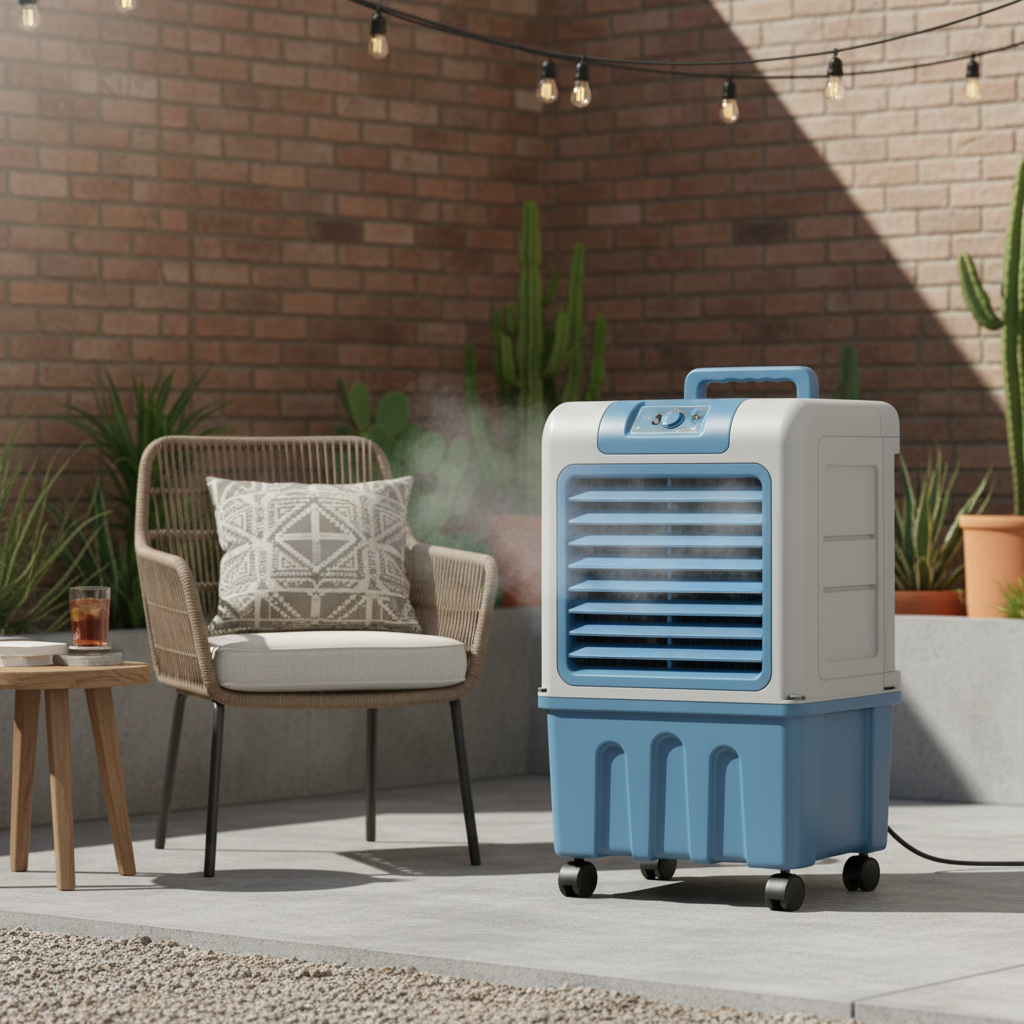
Maintaining a comfortable and productive environment in a workshop, factory, or large commercial space can be a significant challenge, especially as temperatures rise. Traditional air conditioning is often impractical or prohibitively expensive for such expansive, often open, areas. This is where industrial air coolers, also known as evaporative or swamp coolers, emerge as a powerful and cost-effective solution. Designed to handle the rigors of demanding environments, these robust cooling systems offer a breath of fresh, cool air without the astronomical energy bills. This comprehensive guide will navigate you through the world of industrial air coolers, helping you understand their technology, key features, and how to select the perfect model to keep your workspace cool and your team productive through 2026 and beyond.
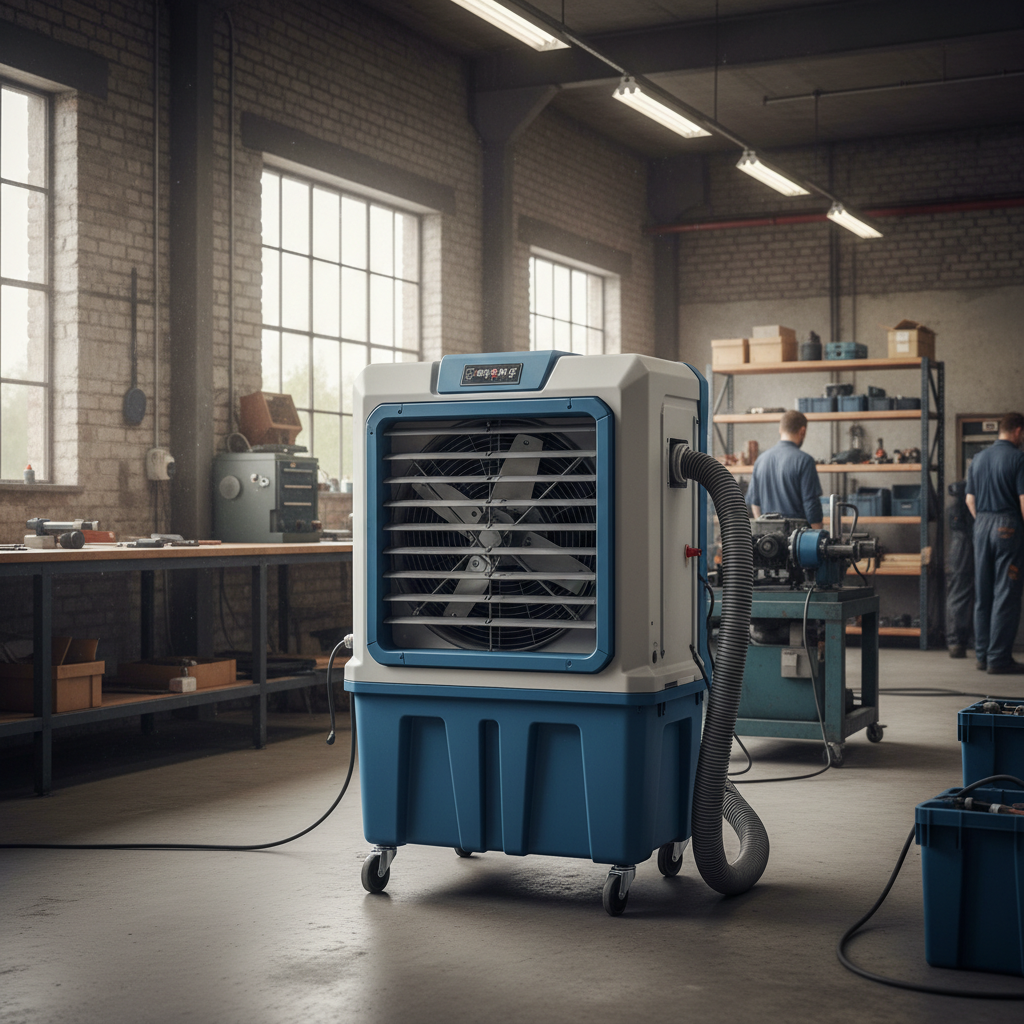
Understanding Industrial Air Coolers
What exactly sets an industrial air cooler apart, and how do these powerful machines deliver their cooling effects? At its core, an industrial air cooler operates on the principle of evaporative cooling, a natural phenomenon that has been used for centuries. Warm, dry air is drawn into the unit and passed over water-saturated cooling pads. As the water evaporates, it absorbs heat from the air, effectively lowering the air temperature before it’s blown out into the space by a powerful fan. This process delivers a continuous stream of cool, fresh air, unlike air conditioners which recirculate stale air.
The primary difference between an industrial air cooler and a residential model lies in scale, durability, and cooling capacity. Industrial units are built with heavy-duty components, larger water tanks, and far more powerful fans to move massive volumes of air (measured in Cubic Feet per Minute, or CFM) across vast areas. They are designed to withstand the harsh conditions often found in workshops, including dust, debris, and constant use.
The advantages of using industrial air coolers in workshops are compelling. They are significantly more energy-efficient than traditional air conditioning, often consuming up to 75% less electricity. They introduce fresh, filtered air, which is a major benefit in environments with fumes or dust. Their lower operational costs and the ability to function effectively with open doors and windows make them ideal for large, semi-open spaces. However, it’s crucial to acknowledge their main limitation: evaporative coolers add humidity to the air, making them less effective in already highly humid climates. Regular maintenance, such as cleaning cooling pads, is also essential to prevent mold or mildew growth.
Key Factors in Choosing an Industrial Air Cooler for Your Workshop
Selecting the right industrial air cooler requires careful consideration of several factors unique to your workshop environment. Making an informed decision will ensure optimal performance, energy efficiency, and long-term satisfaction.
Workshop Size and Layout
|
Our Picks for the Best Air cooler in 2026
As an Amazon Associate I earn from qualifying purchases.
|
||
| Num | Product | Action |
|---|---|---|
| 1 | Midea 5,000 BTU EasyCool Small Window Air Conditioner - Cool up to 150 Sq. Ft. with Easy-to-Use Mechanical Controls and Reusable Filter, Perfect for Small Bedroom, Living Room, Home Office |

|
| 2 | LEVOIT Tower Fan for Bedroom, 90° Oscillating Standing Fan with 28dB Quiet for Sleep, 25ft/s Velocity, 12H Timer, 5 Speeds 4 Modes, Remoter, Bladeless Room Fan for Home, Office, Indoor, 36 inch, White |
|
| 3 | Portable Air Conditioners, 3-IN-1 Evaporative Air Cooler,Cooling Fans that Blow Cold Air with 60° Oscillation,9H Timer,3 Modes & 12 Speeds, 8 Ice Packs, Windowless Portable AC for Room,Bedroom,Office |
|
| 4 | DREO Tower Fan for Bedroom, 2026 Upgraded DC Motor, 28ft/s High Velocity, 20dB Ultra Quiet Standing Fan, 8 Speeds 4 Modes, 90° Oscillating Bladeless Fan for Indoors, Floor Fans with Remote, Black |
|
| 5 | DREO Evaporative Air Swamp Cooler, 43" Cooling Fans that Blow Cold Air 2026 Upgraded, 80° Oscillating Floor Fan for Bedroom, Easy Cleaning, APP Control, Ice Packs, 4 Speeds & 4 Modes, 12H Timer, White |
|
| 6 | DREO Tower Fan for Bedroom, 43" Cooling Fans That Blow Cold Air 2026 Upgraded, Evaporative Air Cooler, Quiet 80° Oscillating Floor Fan, Easy Cleaning, APP Control, 4 Modes & 4 Speeds, 12H Timer, Black |
|
| 7 | Arctic Air Pure Chill 2.0 Evaporative Air Cooler by Ontel - Powerful, Quiet, Lightweight and Portable Space Cooler with Hydro-Chill Technology For Bedroom, Office, Living Room & More,Blue |
|
| 8 | 3-in-1 Portable Evaporative Air Cooler - 2000 CFM Swamp Cooler with 6.6-Gal Dual Tank & 4 Ice Packs, Remote Control, 12H Timer, Oscillating Cooling Fan for Large Room, Office, Mother's Day |
|
| 9 | Portable Air Conditioners, Swamp Cooler Portable AC Unit for Room, Windowless Cooling Fan That Blow Cold Air w/Remote 5L Tank 12 Speeds 9H Timer, Evaporative Air Cooler for Bedroom Garage (White) |
|
| 10 | Evaporative Air Cooler - Swamp Cooler with 3L Water Tank, 3 Modes & 3 Speeds, Remote Control, 12H Timer, 50° Oscillating Portable Bladeless Cooling Tower Fan For Room Bedroom Office Mother's Day |
|
The most critical factor is matching the cooler’s capacity to the area you need to cool. Industrial air coolers are rated by CFM (Cubic Feet per Minute), indicating the volume of air they can process. To estimate your required CFM, multiply the workshop’s square footage by its ceiling height, then divide by the number of air changes per hour (typically 20-40 for a workshop, depending on heat load and ventilation). For example, a 2,000 sq ft workshop with a 15 ft ceiling needing 30 air changes per hour would require approximately 15,000 CFM (2000 x 15 x 30 / 60). A unit with sufficient CFM will ensure even cooling throughout the space. Consider the layout—are there obstructions? Will you need multiple units or a single, powerful one?
Climate Considerations
Industrial air coolers thrive in hot, dry climates. The drier the air, the more effectively water can evaporate, leading to greater temperature drops. In regions with high humidity (above 60-70% relative humidity), their cooling power significantly diminishes, as the air is already saturated with moisture and less able to absorb more. For such climates, alternative cooling methods or specialized dehumidifying evaporative coolers might be necessary.
Durability and Construction
Workshops are demanding environments. Look for units constructed from heavy-duty, corrosion-resistant materials like roto-molded polyethylene or robust metal casings that can withstand impacts, dust, and continuous operation. Industrial-grade cooling pads (often thick, high-density cellulose) are also vital for longevity and efficiency. Consider the motor and fan components—they should be built for continuous, high-volume airflow.
Portability vs. Fixed Installation
Many industrial air coolers are portable, equipped with heavy-duty locking casters for easy repositioning to target specific hot zones or move between different areas of the workshop. This flexibility is invaluable for dynamic workspaces. For larger, more permanent installations, some models can be integrated into existing ventilation systems or positioned to deliver cooling through ductwork. Evaluate your workshop’s needs for flexibility versus dedicated area cooling.
Water Management
The water tank capacity determines how long the unit can operate continuously before needing a refill. Larger tanks mean less frequent intervention. Many industrial models feature auto-fill capabilities, allowing them to be connected directly to a water hose, eliminating manual refills and ensuring uninterrupted operation. Easy-to-access drain plugs are also crucial for routine cleaning and maintenance.
Fan and Airflow
Look for units with multi-speed fan settings to adjust cooling intensity. Powerful fans with wide oscillation or directional louvers can help distribute cool air effectively over large distances and areas. Consider the “air throw” distance specified by the manufacturer to ensure the cool air reaches where it’s needed most in your expansive workshop.
Noise Levels
While industrial environments are inherently noisy, excessive cooler noise can add to worker fatigue and communication challenges. Check the decibel (dB) rating of the unit, especially if it will be placed near active work areas. Some manufacturers offer quieter models designed for less disruptive operation.
Energy Efficiency
One of the main appeals of industrial air coolers is their energy efficiency. Compare the power consumption (wattage) of different models. A more efficient unit will translate to lower operating costs over time. Consider units with advanced controls that optimize fan speed and water usage for maximum efficiency.
Maintenance and Cleaning
Easy access to cooling pads and the water tank is paramount for regular cleaning. Preventing mold, mildew, and mineral buildup is essential for maintaining air quality and cooling efficiency. Look for features like easily removable panels or drain systems that simplify routine maintenance tasks.
Top Industrial Air Cooler Brands and Models
When considering the best industrial air coolers for workshops in 2026, it’s important to focus on categories and features that define leading performers, as specific model numbers can evolve. Renowned brands have established themselves by offering robust, high-performance units tailored for challenging industrial environments.
Heavy-Duty Portable Units: These are the workhorses of many workshops, offering flexibility and powerful spot cooling.
- Characteristics: Typically feature large, durable roto-molded housings, oversized casters for easy movement, and powerful axial or centrifugal fans. They boast high CFM ratings (e.g., 5,000-25,000+ CFM) and large water reservoirs (20+ gallons, often with garden hose hookups for continuous fill). Many include variable speed controls and often a drain plug for easy emptying.
- Pros: Highly versatile, easy to relocate, quick setup, significantly lower operating costs than AC.
- Cons: Require manual refilling if no auto-fill, can be bulky, less effective in very humid conditions.
- Example Applications: Welding bays, manufacturing lines, outdoor event cooling, automotive repair shops.
Large Area Stationary/Semi-Portable Units: For workshops requiring more extensive, consistent cooling across a defined zone.
- Characteristics: These units often have even higher CFM ratings (25,000-60,000+ CFM) and may be designed for more permanent placement or integration with existing ventilation. They often come with more sophisticated control panels, larger water supply needs (often hard-plumbed), and can sometimes be ducted for precise airflow.
- Pros: Deliver widespread cooling, can handle very large spaces, often more efficient for continuous operation in a fixed location.
- Cons: Less flexible than smaller portable units, may require professional installation for plumbing or electrical.
- Example Applications: Large assembly areas, warehouses, printing facilities, agricultural buildings.
Specialized Models: Some manufacturers offer niche solutions for unique industrial challenges.
- Characteristics: These might include units designed for extremely dusty environments with enhanced filtration, units with integrated heating elements for year-round climate control, or those built to specific explosion-proof standards for hazardous locations.
- Pros: Tailored solutions for specific, demanding needs.
- Cons: Higher cost, more specialized maintenance.
When evaluating brands, look for companies with a strong reputation for industrial equipment, good warranty policies, and readily available spare parts. Key players in the industrial evaporative cooler market often include brands known for their heavy-duty construction and high performance, even if the “best” specific model can vary by year and application.
Industrial Air Cooler Price Segments
The investment in an industrial air cooler can vary significantly based on its size, features, and cooling capacity. Understanding the different price segments will help you align your budget with your workshop’s specific needs.
Entry-Level Industrial (Typically $500 – $1,500)
- Characteristics: These units generally offer moderate CFM (e.g., 2,500-8,000 CFM), making them suitable for smaller workshops, specific workstations, or supplementary cooling. They might have smaller water tanks, requiring more frequent refills, and fewer advanced features. Construction is usually robust but may lack some of the extreme durability of higher-end models.
- Pros: Most affordable entry point, good for targeted cooling, lower power consumption.
- Cons: Limited coverage area, fewer convenience features, potentially shorter continuous run times.
- Gợi ý một số model: Basic portable evaporative coolers from commercial-focused brands.
Mid-Range Industrial (Typically $1,500 – $4,000)
- Characteristics: This segment represents a sweet spot for many medium-sized workshops. Units typically feature CFM ratings from 8,000-20,000+ CFM, capable of cooling larger areas effectively. They often include larger water tanks with auto-fill capabilities, variable speed controls, and more durable housings. You’ll find a better balance of performance, features, and construction quality here.
- Pros: Excellent balance of performance and cost, suitable for a wide range of workshop sizes, better features for convenience and efficiency.
- Cons: Still primarily spot or zone cooling for very large facilities, initial investment is higher than entry-level.
- Gợi ý một số model: Popular heavy-duty portable evaporative coolers from established industrial cooling brands.
High-End/Commercial Grade (Typically $4,000+)
- Characteristics: These are the largest, most powerful industrial air coolers, often exceeding 20,000 CFM and reaching up to 60,000+ CFM. They are designed for extensive cooling of very large workshops, warehouses, and factories. Features include massive water capacities, advanced digital controls, robust industrial-grade components, and sometimes options for ducting or integration into building management systems. Expect superior durability and longevity.
- Pros: Maximum cooling power and coverage, highest durability and feature set, designed for continuous heavy-duty operation.
- Cons: Significant initial investment, may require specialized electrical or plumbing setup.
- Gợi ý một số model: Top-tier large-capacity portable or semi-permanent evaporative coolers from leading industrial manufacturers.
Top Industrial Air Cooler Models Praised by Users
While specific “best” models can vary annually, several types of industrial air coolers consistently receive high marks for their performance, reliability, and value in workshop settings. These often represent categories rather than singular models, but highlight features users appreciate.
-
High-CFM Portable Units (e.g., “Mega Cool” equivalents): These large, wheeled units are consistently popular for their ability to deliver powerful airflow and significant temperature drops in targeted areas. Users praise their robust construction, ease of movement, and straightforward operation. Many come with an integrated hose hook-up for continuous water supply, which is a major convenience in busy workshops. The multi-speed fan allows for flexible cooling depending on the task at hand. While powerful, their size can be a consideration in very confined spaces.
-
Heavy-Duty Dura-Frame Evaporative Coolers: These models are often distinguished by their exceptionally durable frames and impact-resistant casings, making them ideal for rough industrial environments. They frequently feature thicker, more efficient cooling pads and advanced pump systems for consistent water flow. User reviews often highlight their longevity and ability to withstand daily workshop abuse. The main drawback might be a higher initial cost, but this is often offset by their extended lifespan and minimal downtime.
-
Smart Control Industrial Coolers: As technology advances, some industrial air coolers are incorporating smarter controls, including remote operation via apps, programmable timers, and even humidity sensors that automatically adjust output. Users find these features enhance convenience and energy efficiency, allowing them to optimize cooling without constant manual adjustments. The learning curve for these advanced systems can sometimes be a minor initial hurdle, but the long-term benefits are substantial.
A quick comparison of typical models (representing the categories above) might look like this:
| Tiêu chí | Entry-Level Portable (e.g., 8,000 CFM) | Mid-Range Heavy-Duty (e.g., 15,000 CFM) | High-End Smart Control (e.g., 30,000 CFM) |
|---|---|---|---|
| Công suất (W) | 200-300W | 500-800W | 1000-1500W |
| Lưu lượng gió (CFM) | 8,000 | 15,000 | 30,000 |
| Dung tích bình chứa nước (Gallons) | 10-15 | 20-40 | 60+ (often auto-fill only) |
| Độ ồn (dBA) | 60-65 | 65-70 | 70-75 |
| Giá (Approx.) | $800 | $2,500 | $5,500 |
Note: These values are illustrative and can vary widely by brand and specific features.
Users consistently emphasize that the “best” model ultimately depends on the specific workshop size, heat load, climate, and budget. For smaller, less intense applications, a reliable mid-range portable unit often provides the best value. For large-scale manufacturing or very demanding environments, investing in a high-end, powerful system pays off in sustained performance and worker comfort.
Usage and Maintenance Tips for Optimal Performance
To ensure your industrial air cooler operates at peak efficiency and has a long service life, proper usage and diligent maintenance are essential. These simple steps can make a significant difference in both cooling performance and air quality.
How to Install and Operate
Industrial air coolers typically require minimal installation. For portable units, simply fill the water tank (or connect a garden hose for auto-fill models) and plug it into an appropriate power outlet. It’s crucial to place the cooler in a well-ventilated area, preferably near an open door or window, to ensure a continuous supply of fresh, dry air and to allow the humid exhaust air to escape. Evaporative coolers work by exchanging air, so operating them in a sealed room will lead to increased humidity and reduced cooling effectiveness. Adjust the fan speed to your desired comfort level.
Regular Cleaning and Maintenance
Consistent cleaning is the cornerstone of effective and hygienic evaporative cooling.
- Cooling Pads: The heart of the system, cooling pads should be inspected and cleaned regularly, ideally every few weeks during heavy use. Mineral deposits, dust, and grime can accumulate, reducing efficiency and potentially leading to odors or mold growth. Many pads can be rinsed with water; some may require a mild cleaning solution. Replace pads when they become excessively hardened, brittle, or show significant degradation.
- Water Tank: Drain and clean the water tank at least once a month, or more frequently if water quality is poor. Stagnant water can foster bacteria and algae. Use a mild detergent and thoroughly rinse the tank before refilling.
- Fan Blades: Periodically wipe down fan blades to remove dust and debris, ensuring smooth and efficient airflow.
- Exterior: Keep the exterior casing clean to prevent dust from being drawn into the unit.
Troubleshooting Common Issues
- Weak Airflow: Check if cooling pads are clogged, the water tank is empty, or the fan intake is obstructed.
- Unpleasant Odors: This is often due to stagnant water, dirty pads, or bacterial growth. Drain, clean the tank, and clean/replace pads. Adding a small amount of household bleach (following manufacturer guidelines) to the water can help in some cases.
- No Cooling Effect: Ensure the unit is receiving water, pads are saturated, and the ambient humidity isn’t too high for effective evaporation.
- Water Leaks: Check hose connections, drain plug, and ensure the unit is level.
“Many common issues with industrial air coolers can be prevented with simple, routine cleaning. Neglecting the cooling pads and water tank is the quickest way to reduce efficiency and shorten the lifespan of your unit.” – Dr. Elena Petrov, Environmental Systems Engineer
Important Considerations When Operating Industrial Air Coolers
While highly effective and efficient, industrial air coolers have specific operational nuances that, if understood and managed, will maximize their benefits in a workshop setting. Ignoring these considerations can lead to suboptimal performance or even comfort issues.
Do Not Use in Overly Sealed Spaces
The fundamental principle of an evaporative cooler is air exchange. It needs a continuous supply of fresh outside air to draw in, cool, and then exhaust the slightly humidified air. Operating an industrial air cooler in a completely sealed room is counterproductive. Without proper ventilation, the humidity will quickly build up, causing the unit to lose its cooling effectiveness and making the environment feel muggy and uncomfortable. Always ensure there are open windows, doors, or exhaust vents to allow for proper air circulation and to let the moisture-laden air escape.
Ensure a Clean Water Source
The quality of water you use directly impacts both the efficiency and longevity of your industrial air cooler. Hard water, rich in minerals, can lead to rapid scale buildup on cooling pads and inside the pump, reducing water flow and cooling efficiency. Over time, this buildup can damage components and necessitate more frequent and intensive cleaning or pad replacement. Whenever possible, use clean, filtered water. If hard water is unavoidable, implement a more rigorous cleaning schedule and consider using de-scaling tablets or water treatment solutions specifically designed for evaporative coolers.
Regular Cleaning to Prevent Mold and Bacteria
Due to the continuous presence of water and air, industrial air coolers can become breeding grounds for mold, mildew, and bacteria if not regularly cleaned. These microorganisms not only reduce the unit’s cooling efficiency but can also disperse spores and bacteria into the air, potentially impacting air quality and worker health. Adhering to the recommended cleaning schedule for cooling pads and water tanks is not just about performance; it’s a critical health and safety measure. Promptly address any foul odors, as these are often an indicator of microbial growth.
By understanding and actively managing these important operational factors, you can ensure your industrial air cooler provides consistent, healthy, and efficient cooling for your workshop environment for years to come.
Conclusion
Navigating the complexities of workshop cooling doesn’t have to be a daunting task. Industrial air coolers offer a compelling solution for businesses seeking an efficient, cost-effective, and environmentally friendly way to combat high temperatures in large, open spaces. By understanding their operating principles, carefully assessing your workshop’s specific needs, and considering factors like CFM, durability, and maintenance, you can select a unit that perfectly aligns with your operational demands and budget. From powerful portable units for targeted cooling to robust semi-permanent systems for expansive areas, the market offers a diverse range of options. Remember, diligent maintenance and proper usage are key to unlocking the full potential and longevity of your investment, ensuring a consistently comfortable and productive environment for your team. What steps will you take to optimize your workshop’s climate control for peak performance?
Câu Hỏi Thường Gặp
How often should I clean my industrial air cooler?
During periods of heavy use, you should inspect cooling pads and drain/clean the water tank every 2-4 weeks. For lighter use, monthly checks might suffice. Replace cooling pads annually or when they show significant wear and mineral buildup to maintain optimal performance and air quality.
Can industrial air coolers work in humid climates?
Industrial air coolers are most effective in hot, dry climates. In areas with high humidity (above 60-70% relative humidity), their cooling capacity is significantly reduced, and they can make the air feel muggier. For humid climates, traditional air conditioning or specialized dehumidifying evaporative coolers are often more suitable.
What is the ideal CFM for a workshop?
To determine the ideal CFM, multiply your workshop’s square footage by its ceiling height, then divide by 60 (minutes per hour) and multiply by the desired air changes per hour (typically 20-40 for a workshop). For example, a 2,000 sq ft workshop with a 15 ft ceiling needing 30 air changes per hour would require approximately 15,000 CFM.
Are industrial air coolers expensive to run?
No, industrial air coolers are generally very energy-efficient. They consume significantly less electricity (often up to 75% less) than traditional refrigerated air conditioners because they operate without refrigerants and complex compressors. Their main operational cost is electricity for the fan and water pump.
Do industrial air coolers add dust to the air?
When properly maintained, industrial air coolers should not add dust to the air. In fact, their cooling pads act as a natural filter, trapping some airborne particles as air passes through. However, if pads are dirty or the water quality is poor, they can become a source of contaminants.