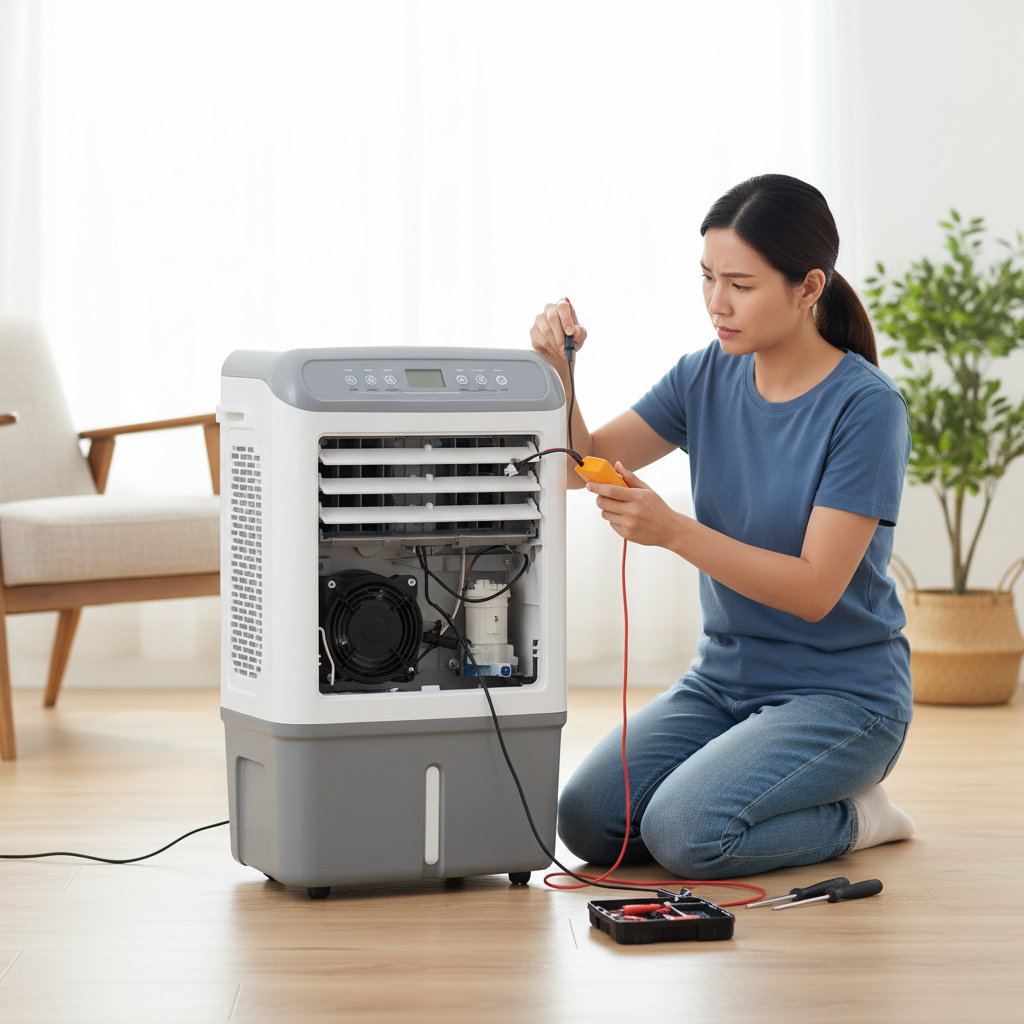
Imagine a summer evening, perfectly cool and comfortable indoors, without the persistent buzz and bite of mosquitoes. For many, this is a dream, but with the right air cooler featuring integrated mosquito protection, it can be your reality. As an expert with over a decade in air cooling technology, I understand the nuances of these devices, from their basic operation to advanced features like insect deterrents. This guide is designed to navigate the world of air coolers with mosquito nets, helping you find the ideal blend of comfort and protection for your home.
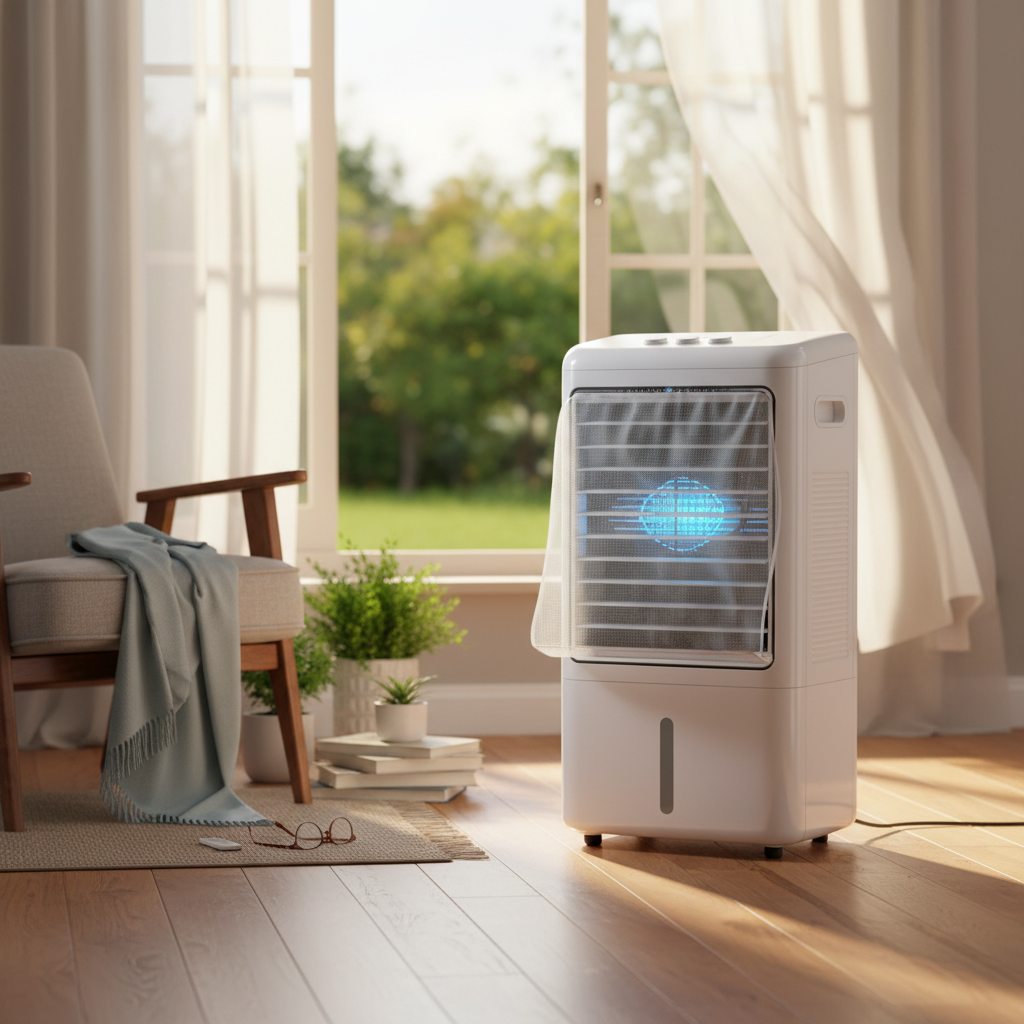
What is an Air Cooler, and How Does it Keep You Comfortable?
An air cooler, often called an evaporative cooler or swamp cooler, is a clever appliance that provides a refreshing breeze by utilizing the natural process of water evaporation. Unlike air conditioners that use refrigerants to cool and typically require a sealed room, air coolers draw in hot, dry air, pass it over water-saturated cooling pads (often honeycomb pads), and release cooler, humidified air into the room. This process naturally cools the air while also adding moisture, making it particularly effective in dry climates.
The primary advantage of air coolers lies in their energy efficiency, consuming significantly less power than traditional air conditioners. They are also more environmentally friendly, as they don’t use harmful refrigerants. However, their effectiveness can diminish in highly humid environments, and they work best when there’s some ventilation to allow humid air to escape and fresh air to enter.
Air Coolers with Integrated Mosquito Protection: A Game Changer for Health and Comfort
The concept of an “air cooler with a mosquito net” goes beyond a simple external screen. Modern air coolers are incorporating sophisticated designs and technologies to actively prevent insects, especially mosquitoes, from entering the unit and potentially breeding in the water tank, or even using repellent technologies to deter them from the immediate vicinity. This can manifest as a fine mesh or filter system strategically placed at air inlets, or in some advanced models, an integrated mosquito repellent function.
This feature is crucial for several reasons. Firstly, it enhances personal comfort by reducing the nuisance of insects, allowing you to enjoy cool air uninterrupted. More importantly, it contributes to better health and hygiene. Stagnant water in traditional air cooler tanks can become a breeding ground for mosquitoes, posing health risks. An integrated mosquito net or filter physically blocks these pests from accessing the water reservoir, while some systems also include anti-bacterial or dust filters that further purify the air. This multi-layered protection ensures that the air circulated is not only cool but also cleaner and safer.
How to Choose the Perfect Air Cooler with Mosquito Net for Your Home
Selecting the right air cooler involves a careful assessment of your specific needs and a close look at the available features, especially the mosquito protection aspect.
Determine Your Usage Needs
- Room Size: Consider the area of the room you need to cool. Air coolers are rated by CFM (Cubic Feet per Minute) or cooling area. A larger room will require a cooler with higher CFM and a wider coverage area.
- Purpose of Use: Is it for a bedroom, living room, or a small office? Personal coolers are great for individual use, while desert or tower coolers suit larger spaces.
- Budget: Air coolers come in various price points. Define your budget, but remember that investing a bit more for features like robust mosquito protection can be worthwhile for long-term comfort and health.
|
Our Picks for the Best Air cooler in 2026
As an Amazon Associate I earn from qualifying purchases.
|
||
| Num | Product | Action |
|---|---|---|
| 1 | DREO Tower Fan for Bedroom, 43" Cooling Fans That Blow Cold Air 2026 Upgraded, Evaporative Air Cooler, Quiet 80° Oscillating Floor Fan, Easy Cleaning, APP Control, 4 Modes & 4 Speeds, 12H Timer, Black |

|
| 2 | Portable Air Conditioners, 3-IN-1 Evaporative Air Cooler,Cooling Fans that Blow Cold Air with 60° Oscillation,9H Timer,3 Modes & 12 Speeds, 8 Ice Packs, Windowless Portable AC for Room,Bedroom,Office |
|
| 3 | Portable Air Conditioners, Swamp Cooler Portable AC Unit for Room, Windowless Cooling Fan That Blow Cold Air w/Remote 5L Tank 12 Speeds 9H Timer, Evaporative Air Cooler for Bedroom Garage (White) |
|
| 4 | LEVOIT Tower Fan for Bedroom, 90° Oscillating Standing Fan with 28dB Quiet for Sleep, 25ft/s Velocity, 12H Timer, 5 Speeds 4 Modes, Remoter, Bladeless Room Fan for Home, Office, Indoor, 36 inch, White |
|
| 5 | Midea 5,000 BTU EasyCool Small Window Air Conditioner - Cool up to 150 Sq. Ft. with Easy-to-Use Mechanical Controls and Reusable Filter, Perfect for Small Bedroom, Living Room, Home Office |
|
| 6 | DREO Evaporative Air Swamp Cooler, 43" Cooling Fans that Blow Cold Air 2026 Upgraded, 80° Oscillating Floor Fan for Bedroom, Easy Cleaning, APP Control, Ice Packs, 4 Speeds & 4 Modes, 12H Timer, White |
|
| 7 | Arctic Air Pure Chill 2.0 Evaporative Air Cooler by Ontel - Powerful, Quiet, Lightweight and Portable Space Cooler with Hydro-Chill Technology For Bedroom, Office, Living Room & More,Blue |
|
| 8 | DREO Tower Fan for Bedroom, 2026 Upgraded DC Motor, 28ft/s High Velocity, 20dB Ultra Quiet Standing Fan, 8 Speeds 4 Modes, 90° Oscillating Bladeless Fan for Indoors, Floor Fans with Remote, Black |
|
| 9 | 3-in-1 Portable Evaporative Air Cooler - 2000 CFM Swamp Cooler with 6.6-Gal Dual Tank & 4 Ice Packs, Remote Control, 12H Timer, Oscillating Cooling Fan for Large Room, Office, Mother's Day |
|
| 10 | Evaporative Air Cooler - Swamp Cooler with 3L Water Tank, 3 Modes & 3 Speeds, Remote Control, 12H Timer, 50° Oscillating Portable Bladeless Cooling Tower Fan For Room Bedroom Office Mother's Day |
|
Essential Technical Factors
- Power and Airflow (CFM): A higher CFM indicates more powerful air circulation. Match the CFM to your room size for optimal cooling.
- Water Tank Capacity: A larger tank means fewer refills, which is convenient, especially for overnight use. Look for capacities from 30 to 100 liters or more for continuous operation.
- Noise Level: Measured in decibels (dB), a lower number signifies quieter operation. This is crucial for bedrooms or quiet workspaces. Many models offer a “sleep mode” for reduced noise.
- Operating Modes: Look for various fan speeds (low, medium, high) and special modes like sleep, natural, or turbo, offering flexibility in cooling intensity.
- Mosquito Net/Filter Type: This is key. Investigate whether the cooler has a fine mesh dust filter that also prevents insects, or if it explicitly advertises an anti-mosquito net or repellent technology. Some models even feature anti-bacterial honeycomb pads, which can further enhance hygiene.
- Energy Consumption: Check the wattage to ensure it aligns with your energy-saving goals. Many modern air coolers are designed to be highly energy-efficient.
Reputable Brands Offering Mosquito Protection
While not all air cooler brands universally feature dedicated mosquito protection, several manufacturers, especially in regions prone to mosquito issues, have integrated this into their designs. Brands like Crompton, Croma’s in-house models, Blue Star, Voltas, and Symphony often offer models with “Mosquito and Dust Filter” or “Anti-bacterial Honeycomb Pads” that contribute to insect deterrence. For instance, the Crompton Optimus 100L has been noted for its integrated mosquito net feature. When researching, explicitly look for these terms in product specifications.
Checking for Additional Features
Modern air coolers come with a host of convenient features:
- Remote Control: For easy operation from anywhere in the room.
- Timer Function: Allows you to set specific operating times, saving energy.
- Sleep Mode: Reduces fan speed and noise for undisturbed sleep.
- Digital Display: Provides clear information on settings and room temperature.
- Automatic Water Refill: Some advanced models have a float valve for continuous water supply.
- Ice Chamber: For enhanced cooling effect, especially during peak heat.
Comparing Price Segments for Air Coolers with Mosquito Nets
The availability and sophistication of mosquito protection features can vary across different price segments.
Budget-Friendly Segment (Typically under $100-$150)
- Characteristics: These models are usually personal or small room coolers. They might offer basic dust filters that inadvertently deter larger insects, but explicit “mosquito net” features are less common. Expect essential cooling, 2-3 fan speeds, and manual controls.
- Pros: Highly affordable, energy-efficient for personal use.
- Cons: Limited cooling area, often basic features, mosquito protection might not be a primary, advertised feature but rather a side benefit of a fine filter.
- Suggestion: Look for models that emphasize robust dust filtration, as a fine mesh can help.
Mid-Range Segment (Typically $150-$300)
- Characteristics: This segment offers a better balance of features, cooling capacity, and design. You’re more likely to find models explicitly mentioning “dust and mosquito filters,” anti-bacterial pads, remote control, and larger water tanks.
- Pros: Good cooling for medium-sized rooms, improved convenience features, clearer focus on cleaner air and insect deterrence.
- Cons: May not have all the advanced smart features.
- Suggestion: This is often the sweet spot for finding effective mosquito protection integrated into a feature-rich cooler. Brands like Croma and Blue Star often have offerings here.
Premium Segment (Typically over $300)
- Characteristics: High-end models boast superior cooling power, advanced air purification systems (including specialized anti-mosquito technology or robust multi-layered filters), smart features like app control, voice assistant compatibility, and premium build quality. They are often suitable for larger rooms and offer a quieter operation.
- Pros: Excellent cooling performance, comprehensive air quality features, advanced insect protection, durable build, quiet operation.
- Cons: Higher initial investment.
- Suggestion: If mosquito protection is a top priority alongside premium features and performance, this segment will offer the most sophisticated solutions.
Top Air Coolers with Mosquito Nets (or Effective Insect-Deterring Filters)
While specific models change frequently, here are examples of air coolers that have been noted for their mosquito or insect protection features:
- Crompton Optimus 100L: This model has been highlighted for featuring an integrated mosquito net, coupled with a large water tank and strong airflow, making it suitable for larger rooms. Its focus on keeping out insects while providing powerful cooling is a significant plus.
- Croma 50 Litres Tower Air Cooler: As an example from a retailer with a dedicated “Mosquito Repellent” category, this model explicitly mentions a “Dust & Mosquito Net Filter.” It offers tower cooler advantages like a slim design and often includes features like anti-bacterial honeycomb pads, remote control, and inverter compatibility, providing both cooling and insect deterrence in a compact form factor.
- Blue Star and Voltas Models with Anti-Microbial Filters: While not always labeled “mosquito net,” many models from these reputable brands feature anti-microbial or anti-bacterial honeycomb pads and fine dust filters. These features create an environment less hospitable to insect breeding and physically block smaller pests, offering an indirect but effective form of protection. Always check the specific product description for mentions of insect-deterring filters or anti-bacterial properties.
When considering any model, it’s vital to read recent user reviews and product specifications to confirm the exact nature and effectiveness of the mosquito protection feature.
Comparison Table of Typical Air Cooler Features
| Feature | Budget-Friendly (e.g., Small Personal Cooler) | Mid-Range (e.g., Croma Tower) | Premium (e.g., Advanced Desert Cooler) |
|---|---|---|---|
| Cooling Area | Small (up to 150 sq ft) | Medium (150-350 sq ft) | Large (350+ sq ft) |
| CFM (Airflow) | Low to Medium | Medium to High | Very High |
| Water Tank Capacity | Small (5-20 liters) | Medium (20-60 liters) | Large (60-100+ liters) |
| Mosquito Protection | Basic dust filter (passive deterrence) | Dust & Mosquito Filter (active) | Advanced multi-filter/repellent |
| Noise Level | Moderate | Low to Moderate | Very Low (e.g., Sleep Mode) |
| Control | Manual dials/buttons | Remote control, digital display | Remote, app, voice control |
| Additional Features | 2-3 fan speeds | Timer, sleep mode, ice chamber | Ionizer, auto-fill, smart connectivity |
| Price | $50 – $150 | $150 – $300 | $300+ |
Using and Maintaining Your Air Cooler with Mosquito Protection Correctly
Proper usage and regular maintenance are paramount for maximizing the efficiency and longevity of your air cooler, especially those with mosquito protection.
Installation and Operation
- Placement: Position your air cooler near an open window or door to ensure adequate cross-ventilation. This allows humid air to escape and fresh, dry air to enter, optimizing the cooling process.
- Water Quality: Always use clean, fresh water in the tank. This prevents mineral buildup on the cooling pads and inhibits the growth of bacteria and mold.
- Initial Setup: Before first use, ensure the cooling pads are adequately soaked. Some models might require a brief run with just water to prime the pads.
Cleaning and Regular Maintenance
- Water Tank: Clean the water tank regularly, ideally every few days or weekly, to prevent algae, mold, and mosquito breeding. Drain old water and wipe down the interior.
- Cooling Pads: Inspect cooling pads monthly. Depending on water quality and usage, they may need cleaning every 3-6 months. Refer to your manual for specific cleaning instructions, but often they can be rinsed or gently brushed. Replace them annually or when you notice reduced cooling efficiency.
- Mosquito Net/Filter: If your cooler has a dedicated mosquito net or dust filter, clean it as per the manufacturer’s instructions. This might involve simply wiping it down, rinsing it, or gently vacuuming to remove accumulated dust and trapped insects. A clean filter ensures optimal airflow and effective mosquito deterrence.
- Exterior: Wipe down the exterior of the unit regularly with a damp cloth to keep it dust-free.
Troubleshooting Common Issues
- Foul Odor: Often caused by stagnant water or dirty cooling pads. Clean the tank and pads thoroughly.
- Reduced Cooling: Check water level, ensure cooling pads are wet, and verify there’s adequate ventilation in the room.
- Noisy Operation: Ensure the unit is on a level surface. Check for any obstructions around the fan or pump.
Important Considerations When Using Your Air Cooler
To ensure the best experience and effectiveness of your air cooler, particularly one with mosquito protection, keep these points in mind:
- Ventilation is Key: Air coolers add moisture to the air. Without proper ventilation (like an open window or slightly ajar door), the room can become overly humid, reducing cooling efficiency and potentially fostering mold growth.
- Use Clean Water: Always use clean, potable water. This prevents limescale buildup on internal components and inhibits the growth of bacteria and mildew, which can compromise both air quality and the cooler’s lifespan.
- Regular Cleaning is Non-Negotiable: Beyond the tank, regularly clean the cooling pads and any mosquito or dust filters. This not only maintains optimal performance and air hygiene but also ensures the mosquito protection feature remains effective. Neglecting cleaning can lead to unpleasant odors and a less healthy environment.
- Not a Mosquito Exterminator: While these coolers deter mosquitoes and prevent breeding within the unit, they are not a substitute for comprehensive mosquito control in heavily infested areas. They are a valuable layer of defense for indoor comfort.
Conclusion
Choosing the best air cooler with integrated mosquito protection is a smart decision for anyone seeking energy-efficient cooling alongside enhanced indoor comfort and hygiene. By understanding the core functionality of air coolers, recognizing the value of advanced filtration and repellent features, and knowing what to look for in reputable brands, you can make an informed choice that caters to your needs. Remember, a cool home is a comfortable home, and one free from pesky mosquitoes is a healthier one. Are you ready to embrace a summer of serene, insect-free coolness?