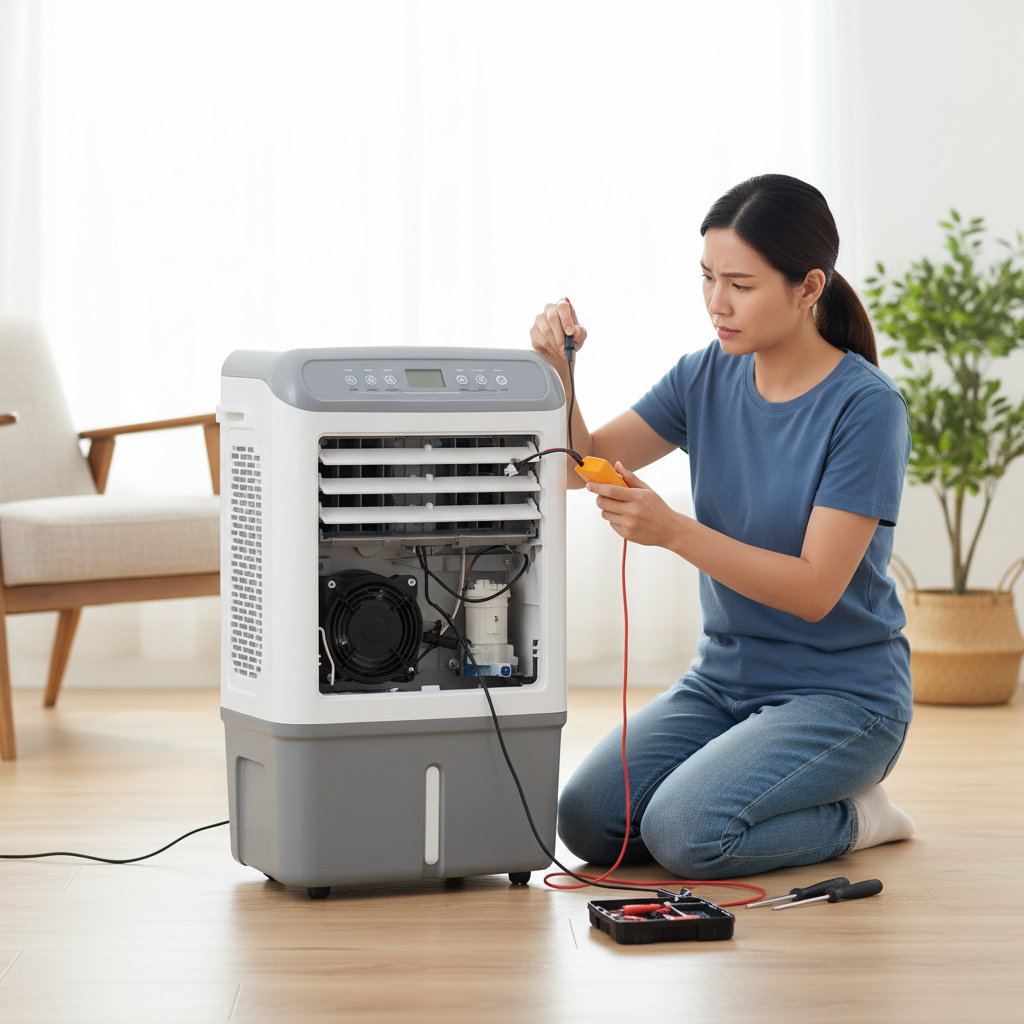
As the cooler seasons arrive, your air cooler, a summer essential, prepares for its hibernation. While it might seem like a simple task to tuck it away, proper winter storage is crucial for extending its lifespan, maintaining efficiency, and ensuring it’s ready to provide refreshing relief the moment warmer weather returns. Neglecting a few key steps now can lead to unpleasant surprises next season, from foul odors and performance issues to costly repairs. This comprehensive guide will walk you through every necessary detail, helping you protect your investment and enjoy hassle-free cooling year after year.
Why Proper Winter Storage for Your Air Cooler is Crucial
The importance of preparing your air cooler for its off-season rest cannot be overstated. By taking the time to store it correctly, you actively safeguard it against a range of potential issues. Firstly, proper storage protects sensitive components from damage, wear, and corrosion, which can occur if the unit is exposed to freezing temperatures or excessive moisture. This preemptive care is vital for electrical parts, fan blades, and internal mechanisms.
Secondly, a thorough cleaning and drying process prevents the dreaded growth of mold, mildew, and bacteria. Stagnant water left in the tank or damp cooling pads can become breeding grounds for these microorganisms, leading to unpleasant odors and potential health hazards upon recommissioning. Moreover, winterizing ensures your air cooler maintains optimal performance and efficiency, saving you from expensive repairs or the need for premature replacement. It’s an investment of a little time now to ensure a seamless and effective return to cooling comfort when summer heats up again.
Step-by-Step Guide to Preparing Your Air Cooler for Storage
Preparing your air cooler for its winter break involves a series of logical steps, each designed to protect different aspects of the unit. Following this detailed guide will ensure your appliance remains in peak condition.
1. Disconnect Power and Drain Water Thoroughly
|
Our Picks for the Best Air cooler in 2026
As an Amazon Associate I earn from qualifying purchases.
|
||
| Num | Product | Action |
|---|---|---|
| 1 | Midea 5,000 BTU EasyCool Small Window Air Conditioner - Cool up to 150 Sq. Ft. with Easy-to-Use Mechanical Controls and Reusable Filter, Perfect for Small Bedroom, Living Room, Home Office |

|
| 2 | Arctic Air Pure Chill 2.0 Evaporative Air Cooler by Ontel - Powerful, Quiet, Lightweight and Portable Space Cooler with Hydro-Chill Technology For Bedroom, Office, Living Room & More,Blue |
|
| 3 | Evaporative Air Cooler - Swamp Cooler with 3L Water Tank, 3 Modes & 3 Speeds, Remote Control, 12H Timer, 50° Oscillating Portable Bladeless Cooling Tower Fan For Room Bedroom Office Mother's Day |
|
| 4 | 3-in-1 Portable Evaporative Air Cooler - 2000 CFM Swamp Cooler with 6.6-Gal Dual Tank & 4 Ice Packs, Remote Control, 12H Timer, Oscillating Cooling Fan for Large Room, Office, Mother's Day |
|
| 5 | DREO Tower Fan for Bedroom, 43" Cooling Fans That Blow Cold Air 2026 Upgraded, Evaporative Air Cooler, Quiet 80° Oscillating Floor Fan, Easy Cleaning, APP Control, 4 Modes & 4 Speeds, 12H Timer, Black |
|
| 6 | Portable Air Conditioners, Swamp Cooler Portable AC Unit for Room, Windowless Cooling Fan That Blow Cold Air w/Remote 5L Tank 12 Speeds 9H Timer, Evaporative Air Cooler for Bedroom Garage (White) |
|
| 7 | LEVOIT Tower Fan for Bedroom, 90° Oscillating Standing Fan with 28dB Quiet for Sleep, 25ft/s Velocity, 12H Timer, 5 Speeds 4 Modes, Remoter, Bladeless Room Fan for Home, Office, Indoor, 36 inch, White |
|
| 8 | Portable Air Conditioners, 3-IN-1 Evaporative Air Cooler,Cooling Fans that Blow Cold Air with 60° Oscillation,9H Timer,3 Modes & 12 Speeds, 8 Ice Packs, Windowless Portable AC for Room,Bedroom,Office |
|
| 9 | DREO Tower Fan for Bedroom, 2026 Upgraded DC Motor, 28ft/s High Velocity, 20dB Ultra Quiet Standing Fan, 8 Speeds 4 Modes, 90° Oscillating Bladeless Fan for Indoors, Floor Fans with Remote, Black |
|
| 10 | DREO Evaporative Air Swamp Cooler, 43" Cooling Fans that Blow Cold Air 2026 Upgraded, 80° Oscillating Floor Fan for Bedroom, Easy Cleaning, APP Control, Ice Packs, 4 Speeds & 4 Modes, 12H Timer, White |
|
The very first and most critical step is always safety. Before performing any maintenance, unplug your air cooler from the power supply. This prevents accidental activation and protects you during the cleaning process.
Next, you must completely drain all water from the tank. Any water left standing in the reservoir can lead to rust, scaling, bacterial growth, and the development of foul odors over several months. For units with a drain plug, simply open it and let the water flow out. For others, you might need to tilt the unit carefully or use a small container to bail out the majority of the water. To ensure no residual moisture remains, use sponges or clean rags to soak up any lingering droplets from the tank’s interior. If your evaporative cooler connects to a water supply valve, turn this off and thoroughly dry the connecting hose.
2. Comprehensive Cleaning and Sanitization
With the water drained, it’s time for a deep clean to eliminate any buildup from the cooling season.
- Cleaning the Water Tank and Reservoir: Use a mild detergent or an antibacterial solution to scrub the inside of the water tank and any associated components. A mixture of equal parts white vinegar and water is an excellent natural alternative for sanitizing and removing mineral deposits. Rinse the tank thoroughly with clean water multiple times to ensure no chemical residue is left behind, which could cause odors or affect performance next season.
- Removing and Cleaning Cooling Pads/Filters: The cooling pads (or filters) are central to the air cooler’s function and often accumulate dust, pollen, and mineral deposits. Carefully remove these pads according to your user manual. Gently rinse them with clean water to dislodge dirt. For stubborn grime or mineral buildup, a mild detergent solution can be used, followed by a thorough rinse. If the pads appear excessively worn, damaged, or cannot be fully cleaned, it’s advisable to replace them before storage, saving you a step next spring.
- Cleaning the Exterior Casing, Fan Blades, and Interior Components: Use a soft, damp cloth with a mild soap solution to wipe down the entire exterior of the air cooler, including the grilles. Pay special attention to the fan blades, using a soft brush or vacuum cleaner attachment to remove accumulated dust and debris. Wipe down all accessible interior surfaces. For metal components, consider applying a rust-resistant coating if your unit manual suggests it, safeguarding against corrosion.
3. Ensure Complete Drying
This step is absolutely critical and often overlooked. After cleaning, every single component of your air cooler must be completely dry before storage. Even a small amount of moisture can lead to mold, mildew, unpleasant smells, and rust during the storage period.
Allow all removable parts, especially the cooling pads, to air dry thoroughly in a well-ventilated area for several hours, or even a full day. You can also use a soft, dry cloth to wipe down interior and exterior surfaces. Run the air cooler on its fan-only setting for about 30 minutes to an hour after cleaning and reassembly (without water) to ensure internal components are completely dry. Visually inspect all hard-to-reach areas for any lingering dampness.
4. Inspect for Wear and Tear
Before sealing your air cooler away, give it a final inspection. Check for any visible cracks in the casing, loose screws, or damaged wires. Address minor issues now, such as tightening loose screws, to prevent them from worsening over the storage period. Inspect the power cord for any fraying or damage and coil it neatly, securing it with a zip tie or tape, to prevent tangling or damage during storage. If your unit has moving parts like fan motors or bearings, lubricating them lightly can ensure smooth operation when the unit is brought out of storage.
Dismantling and Organizing Components (If Applicable)
Some air cooler models allow for the easy removal of certain parts, such as cooling pads or air grilles. If you choose to disassemble these, ensure each part is thoroughly cleaned and dried. For easy reassembly next season, it’s a good practice to label individual parts or store them together in a designated bag. Remote controls, power cords, and any other small accessories should be gathered and stored with the main unit, perhaps in a small labeled bag, so nothing gets lost. Close all louvers on the unit to prevent dust from accumulating inside.
Selecting the Ideal Storage Location
The environment where you store your air cooler profoundly impacts its condition come next summer. Choosing the right spot is paramount.
Key Environmental Factors:
The ideal storage location should be dry, cool, and well-ventilated. This environment prevents the growth of mold and mildew, which thrive in damp conditions. It also safeguards against extreme temperature fluctuations, especially freezing temperatures, which can damage internal components like pipes and plastic parts. Direct sunlight should be avoided, as it can discolor plastic and make it brittle over time.
Recommended Locations:
For most portable air coolers, indoor storage is best. Good options include a wardrobe, a cupboard, under the stairs, or an insulated garage or storage room. These locations typically offer stable temperatures and protection from external elements.
Avoiding Damp Areas:
Steer clear of damp basements, attics, or uninsulated garages that might experience significant temperature and humidity swings. These environments are prime candidates for rust, corrosion, and mold formation.
Positioning the Unit:
Always store your air cooler upright. Storing it on its side or upside down can put unnecessary stress on internal components and potentially damage the unit’s structural integrity. If possible, elevate the cooler off the ground, using a shelf or a sturdy platform. This prevents any moisture from the floor from coming into contact with the unit, offering an extra layer of protection against rust and mold growth.
Protecting Your Air Cooler from Dust and Pests
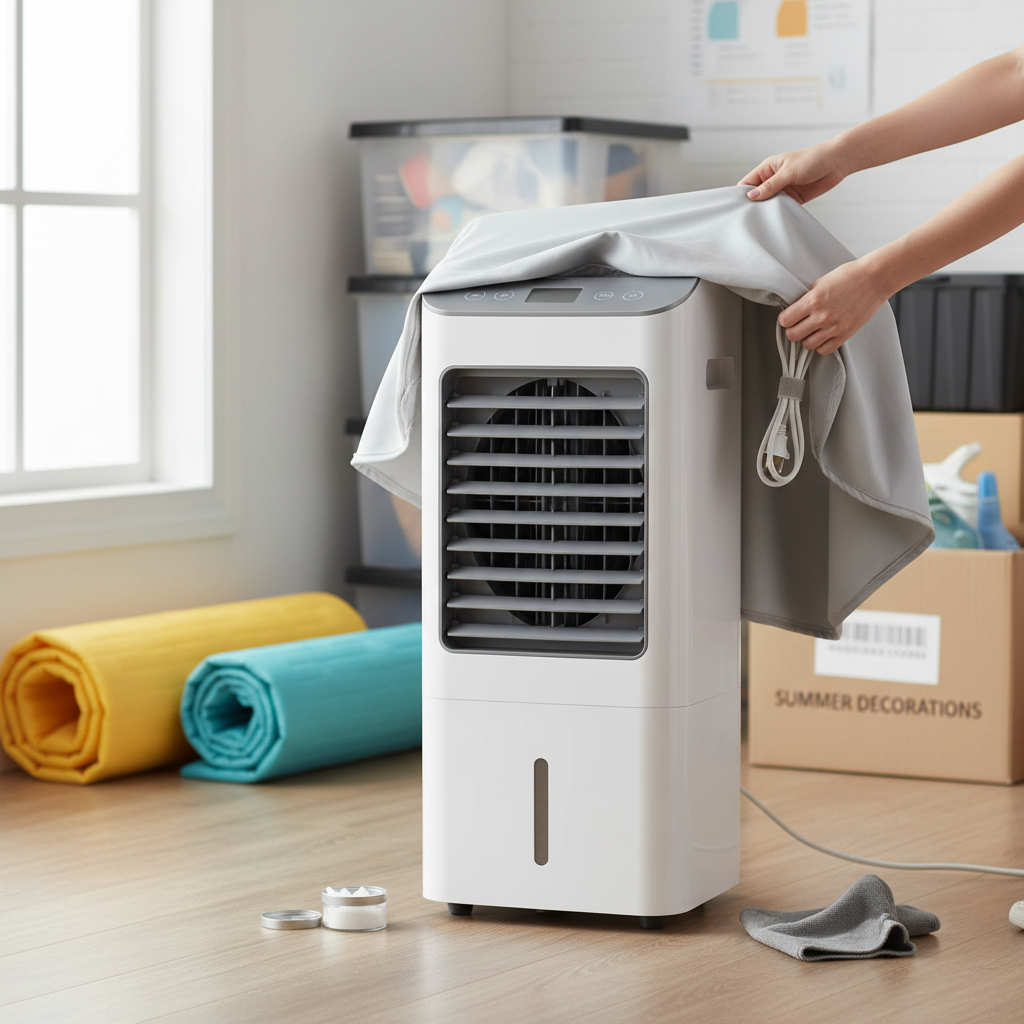
Once your air cooler is clean, dry, and in its chosen storage spot, the final step is to protect it from dust, dirt, and unwanted visitors. Use a good-quality, breathable dust cover, a tarp, or a large cloth to entirely cover the unit. The original packaging is an excellent choice if you still have it, as it’s designed to protect all components. It’s crucial to use a breathable material, as non-breathable plastic sheets can trap condensation inside, leading to moisture buildup and potential damage. This cover acts as a barrier against dust and can also deter pests like rodents and insects from making your cooler their winter home.
Common Winter Storage Mistakes to Avoid
Understanding what not to do is just as important as knowing what to do. Avoid these common mistakes to ensure your air cooler remains in top condition:
- Leaving water in the tank: This is the most frequent oversight and a direct invitation for mold, mildew, and foul odors.
- Inadequate cleaning and drying: Any remaining dirt or moisture can cause damage and unpleasant smells, impacting the unit’s efficiency when reused.
- Storing in unsuitable environments: Damp, freezing, or excessively hot locations (like uninsulated attics or garages) can severely damage components and reduce the cooler’s lifespan.
- Not covering the unit: Leaving your air cooler uncovered exposes it to dust, dirt, and potential pest infestation, requiring more cleaning next season.
- Storing on its side: This can strain internal components and lead to operational issues. Always store the unit upright.
Winter Storage Checklist
Use this handy checklist to ensure you’ve covered all the essential steps for properly storing your air cooler.
| Step | Description | Status (Self-check) |
|---|---|---|
| Disconnect Power | Unplugged from outlet for safety | ✅ / ❌ |
| Drain Water Tank | Completely empty of all water | ✅ / ❌ |
| Clean Tank & Pads | Free from dirt, mold, and mineral residue | ✅ / ❌ |
| Dry All Components | Absolutely no moisture remaining | ✅ / ❌ |
| Inspect Unit | Checked for damage or wear | ✅ / ❌ |
| Coil Power Cord | Secured neatly to prevent damage | ✅ / ❌ |
| Cover Unit | With a breathable protective cover | ✅ / ❌ |
| Choose Location | Dry, cool, well-ventilated, and indoors | ✅ / ❌ |
| Elevate Unit | Off the ground if possible | ✅ / ❌ |
Recommissioning Your Air Cooler for Next Season
When spring arrives, bringing with it the promise of warmer days, bringing your air cooler back into service should be straightforward. Before its first run, give it a quick once-over:
- Inspect the cooling pads to ensure they are still in good condition (replace if needed).
- Check the water tank for any residual dust or debris and give it a quick rinse.
- Inspect all connections and wires for any signs of damage or wear from storage.
- Once filled with fresh water, run the fan on a low setting for a few minutes to circulate air and detect any unusual sounds or odors before full operation.
Conclusion
Taking the time for proper winter storage is more than just putting your air cooler away; it’s an act of preservation that ensures your appliance remains a reliable source of comfort for many summers to come. By thoroughly cleaning, drying, and carefully storing your unit, you protect it from potential damage, prevent the growth of harmful microorganisms, and significantly extend its operational lifespan. Investing a little effort now will save you time, money, and frustration in the long run, allowing you to simply plug in and enjoy refreshing, clean air when the heat returns.
Are you ready to give your air cooler the seasonal care it deserves?
Frequently Asked Questions
How often should I clean my air cooler before winter storage?
You should thoroughly clean your air cooler once at the end of the cooling season, just before you store it for winter. This prevents the buildup of mold, mildew, and mineral deposits during its dormant period, ensuring it’s fresh and ready for use next year.
Can I store my air cooler in an unheated garage?
It is generally not recommended to store your air cooler in an unheated garage, especially if temperatures can drop below freezing. Extreme cold can damage internal components like pipes and plastic parts, leading to cracks or malfunctions. An insulated garage or indoor space is preferable.
What kind of cover should I use for my air cooler?
Use a breathable dust cover made of fabric or a tarp. Avoid using non-breathable plastic sheets, as these can trap condensation inside the unit, creating a moist environment conducive to mold growth and corrosion. A breathable cover protects against dust while allowing air circulation.
What happens if I don’t drain the water from my air cooler?
If you don’t drain the water, it can lead to several problems: mold, mildew, and bacteria can grow, causing foul odors; mineral deposits can build up, affecting performance; and in freezing temperatures, the water can expand, potentially cracking the tank or pipes.
Should I replace the cooling pads before or after storage?
It’s generally recommended to clean the cooling pads thoroughly and let them dry completely before storage. If they are significantly worn or damaged, it’s best to replace them before storage so your air cooler is ready for immediate use next season without extra hassle.