In an era where indoor air quality significantly impacts our health and comfort, understanding how air moves through our living and working spaces is crucial. The choice between relying on natural cross ventilation and managing a closed room environment can have profound implications for energy consumption, air purity, and overall well-being. This article delves into a comprehensive comparison of cross ventilation and closed room scenarios, exploring their operational principles, benefits, drawbacks, and optimal applications to help you make informed decisions for a healthier, more efficient indoor climate.
What is Cross Ventilation?
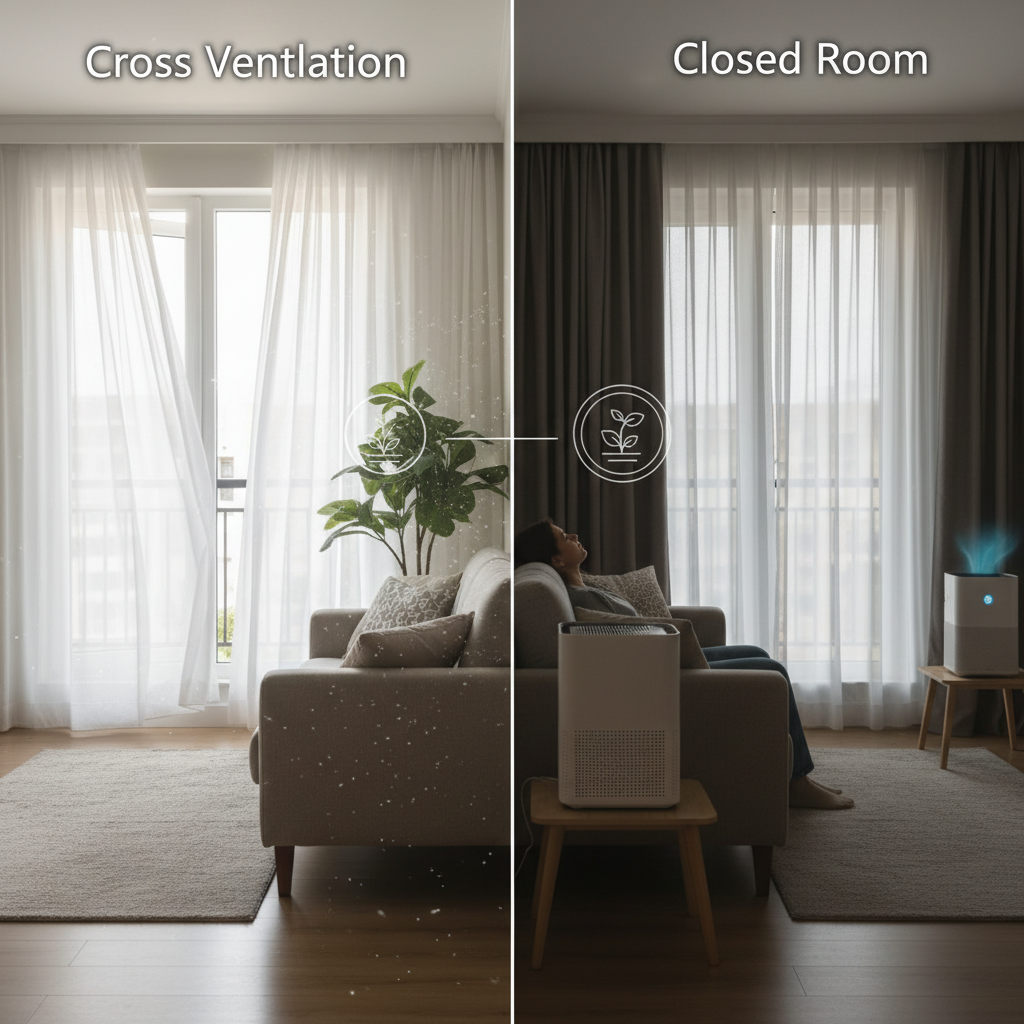
Cross ventilation is a passive design strategy that leverages natural wind patterns and pressure differences to facilitate airflow through a building or room. It involves strategically placing openings, such as windows, doors, or vents, on opposite or adjacent sides of a structure. This arrangement allows fresh outdoor air to enter through one opening, flow across the space, and exit through another, effectively flushing out stale air, heat, and pollutants.
The fundamental principle behind cross ventilation is the creation of a pressure differential. When wind strikes one side of a building, it creates a high-pressure zone (windward side), while the opposite side experiences a low-pressure zone (leeward side). This pressure difference naturally pulls air into the building from the high-pressure side and pushes it out from the low-pressure side, generating a continuous current of air. This process is highly energy-efficient as it relies on natural forces rather than mechanical systems, leading to significant reductions in electricity consumption and HVAC wear and tear.
What is a Closed Room (and its Ventilation Challenges)?
A “closed room” in the context of ventilation typically refers to an indoor space that lacks adequate natural airflow, often due to sealed windows, doors remaining shut, or simply a design that does not facilitate natural air exchange. These rooms often rely heavily on mechanical ventilation systems, such as air conditioning or exhaust fans, to circulate and condition the air.
Without proper ventilation, closed rooms face several inherent challenges. Stagnant air quickly accumulates indoor air pollutants, including volatile organic compounds (VOCs) from furnishings, dust, allergens, and carbon dioxide exhaled by occupants. This can lead to poor indoor air quality, which manifests as stuffiness, unpleasant odors, and can contribute to health issues such as headaches, respiratory problems, and fatigue. Furthermore, trapped heat and humidity can create an uncomfortable environment, fostering the growth of mold and mildew, especially in bathrooms and kitchens. Addressing these issues often necessitates the continuous operation of energy-intensive mechanical systems.
Key Differences Between Cross Ventilation and Closed Room Environments
The operational philosophy and outcomes of cross ventilation versus a closed room environment are fundamentally different, impacting everything from energy use to occupant well-being.
- Air Movement: Cross ventilation provides dynamic, continuous exchange of fresh outdoor air, driven by natural wind. In contrast, a closed room environment typically has static air unless mechanically moved, often recirculating existing indoor air, sometimes filtered.
- Energy Consumption: Cross ventilation is a passive cooling and air renewal strategy, requiring little to no energy input. Closed rooms, to maintain air quality and thermal comfort, often depend on energy-intensive mechanical ventilation and air conditioning systems.
- Air Quality: With cross ventilation, there’s a constant influx of fresh air, diluting and expelling indoor pollutants. In a closed room, pollutants can accumulate rapidly, requiring active filtration or exhaust to manage effectively.
- Thermal Comfort: Cross ventilation offers natural cooling through air movement and evaporative cooling on the skin, making spaces feel cooler by several degrees. Closed rooms rely on HVAC systems to achieve and maintain specific temperature settings.
- Operational Cost: Homes utilizing cross ventilation can see significantly lower electricity bills due to reduced reliance on artificial cooling. Closed rooms incur higher operational costs from continuous mechanical system use.
Benefits of Cross Ventilation
Embracing cross ventilation offers a multitude of advantages for both occupants and the environment.
- Improved Air Quality and Freshness: Stagnant indoor air traps pollutants, allergens, and moisture. Cross ventilation ensures a constant exchange of fresh air, flushing out dust, toxins, and odors while introducing oxygen-rich outdoor air. This reduces the buildup of indoor pollutants, creating a fresher, healthier atmosphere.
- Natural Cooling and Comfort: Properly designed cross ventilation allows natural breezes to move through a space, lowering indoor temperatures and preventing stuffiness and overheating. This natural cooling effect can make occupants feel 3 to 4 degrees cooler, significantly enhancing thermal comfort, especially in warmer climates.
- Energy Efficiency and Cost Savings: By reducing reliance on mechanical cooling systems like air conditioners, cross ventilation drastically cuts down energy consumption and associated electricity bills. This also reduces wear and tear on HVAC systems, extending their lifespan and lowering maintenance expenses.
- Moisture Control and Mold Prevention: Continuous airflow helps remove excess moisture from the air, reducing the likelihood of condensation and dampness. This is crucial in preventing the growth of mold and mildew, which can pose health risks and damage property.
- Health Benefits: Good air circulation removes excess carbon dioxide and airborne contaminants, creating a healthier indoor environment. This can reduce the risk of respiratory issues, allergies, headaches, and fatigue, improving overall well-being and productivity.
- Environmental Sustainability: As a passive strategy, cross ventilation has minimal carbon emissions compared to active cooling systems, contributing to a more sustainable and eco-friendly building design.
Drawbacks of Cross Ventilation
While highly beneficial, cross ventilation also presents certain limitations that need to be considered.
- Reliance on External Conditions: Cross ventilation is most effective in areas with consistent wind patterns. On hot, still days with little to no breeze, its effectiveness significantly diminishes, often when cooling is most needed.
- External Air Quality Issues: Opening windows and doors can introduce outdoor pollutants, allergens, dust, and insects into the indoor environment, particularly in urban or industrial areas.
- Security Concerns: Keeping windows and doors open for ventilation can compromise security, especially on ground floors or in easily accessible areas.
- Noise Intrusion: Openings allow outdoor noise, such as traffic, construction, or neighborhood activities, to enter the building, which can be disruptive.
- Temperature Control Limitations: Unlike air conditioning, cross ventilation does not offer precise temperature control. It can cool a space naturally but cannot maintain a specific desired temperature.
- Limited Applicability: Cross ventilation is generally more suitable for narrow buildings or rooms with openings on opposing sides. It may be less effective in deep floor plans or rooms without a clear path for airflow. Building orientation and local climate are critical factors for its success.
Addressing Ventilation in Closed Rooms
When natural cross ventilation is not feasible or sufficient, particularly in closed rooms, mechanical solutions become essential to ensure adequate air exchange and maintain a healthy indoor environment.
- Mechanical Ventilation Systems: Installing dedicated mechanical ventilation systems, such as exhaust fans in kitchens and bathrooms, or a whole-house ventilation system (like an HRV/ERV), ensures stale air is removed and fresh air is introduced.
- Air Conditioning Systems: Modern air conditioning units not only cool the air but also often filter and dehumidify it, contributing to better air quality. However, they primarily recirculate indoor air, so fresh air intake mechanisms are still important.
- Air Purifiers: Standalone air purifiers can filter out airborne particles, allergens, and some pollutants, improving the quality of the air within a closed room. They do not introduce fresh air, but rather clean the existing air.
- Dehumidifiers: In humid closed rooms, dehumidifiers can significantly reduce moisture levels, preventing mold growth and making the air feel more comfortable.
- Internal Fans: Ceiling fans, portable fans, or window fans (when a window can be safely opened to the outside or another room) can improve air circulation within a closed room, helping to move stagnant air and create a perceived cooling effect.
- Passive Vents and Grills: For rooms without external windows, installing passive vents or grills between the closed room and an adjacent well-ventilated space can encourage some air movement.
When to Opt for Cross Ventilation vs. Mechanical Solutions in a Closed Room
Deciding between natural cross ventilation and mechanical solutions for a closed room depends on a careful evaluation of several factors.
You should primarily opt for cross ventilation when:
- Your building’s design and orientation allow for effective airflow between opposite openings.
- The local climate offers consistent breezes and moderate temperatures during a significant part of the year.
- Outdoor air quality is good, free from excessive pollutants, allergens, or noise.
- Security concerns can be managed effectively with open windows or by utilizing secure vent designs.
- You prioritize energy savings and environmental sustainability.
Conversely, mechanical solutions are often necessary or preferable for closed rooms when:
- Natural wind patterns are unreliable or insufficient for effective ventilation.
- The building design does not permit cross ventilation (e.g., deep floor plans, single-sided rooms).
- Outdoor air quality is poor (high pollution, excessive allergens), making it undesirable to bring outside air directly in.
- Security or noise are significant concerns, requiring windows and doors to remain closed.
- Precise temperature and humidity control are required, as natural ventilation offers less control.
- Specific air quality issues (e.g., chemical fumes in a workshop, high moisture in a bathroom) demand targeted exhaust or filtration.
“Achieving optimal indoor air quality and thermal comfort is a balancing act. While natural cross ventilation offers unparalleled benefits in terms of energy efficiency and freshness, recognizing its limitations and judiciously integrating mechanical systems in closed environments is key to truly healthy and sustainable living spaces.” – Dr. Elena Petrova, Lead Environmental Design Architect at GreenBuild Solutions.
Comparison Table: Airflow Strategies
| Feature | Cross Ventilation | Closed Room (Mechanical Ventilation) |
|---|---|---|
| Air Exchange | Continuous, natural fresh air flow | Controlled, often filtered, can be recirculated |
| Energy Use | Very low (passive) | High (active, electrical systems) |
| Cooling Method | Natural breezes, evaporative cooling | Refrigeration cycle, fan-driven |
| Indoor Air Quality | Excellent (constant fresh intake) | Can be good with proper filtration/exhaust; filtered |
| Cost (Operational) | Low | High |
| Humidity Control | Good (flushes moisture) | Good (dehumidifier function in AC or dedicated unit) |
| Security | Lower (openings need management) | Higher (sealed environment) |
| Noise | Can be higher (outdoor noise intrusion) | Lower (sealed, controlled noise) |
| Flexibility | Dependent on external conditions (wind, temp) | Controllable, independent of outdoor conditions |
Usage and Maintenance Tips
Implementing effective ventilation, whether natural or mechanical, requires attention to detail.
For Cross Ventilation:
- Optimize Openings: Position windows and doors to maximize airflow across the room. Consider louvers or adjustable vents for controlled intake and exhaust.
- Consider Wind Direction: Understand prevailing wind patterns for your location and design or adapt openings to harness them.
- Security Measures: Install security screens or grilles if leaving windows open, especially on ground floors.
- Keep Pathways Clear: Ensure furniture or internal partitions don’t obstruct the airflow path between inlet and outlet.
For Closed Rooms with Mechanical Ventilation:
- Regular Filter Replacement: For HVAC systems and air purifiers, regularly replace filters to ensure efficient operation and effective pollutant removal.
- Professional Maintenance: Schedule annual professional maintenance for your HVAC system to keep it running optimally and identify any issues.
- Monitor Air Quality: Consider using indoor air quality monitors to track CO2 levels, VOCs, and humidity, adjusting ventilation as needed.
- Clean Exhaust Vents: Regularly clean kitchen and bathroom exhaust fan grilles to prevent dust buildup and maintain efficiency.
Important Considerations
When designing or optimizing your space, keep these crucial factors in mind:
- Local Climate: Hot, humid climates benefit greatly from cross ventilation’s natural cooling and dehumidifying effects, while colder climates may prioritize sealing for heat retention.
- Building Orientation and Design: The way a building is positioned relative to the sun and prevailing winds, as well as its internal layout, dictates the potential for natural ventilation.
- Outdoor Air Quality: In areas with high levels of pollution, pollen, or significant noise, relying solely on open windows for cross ventilation may be counterproductive to indoor health and comfort.
- Security and Privacy: Openings required for cross ventilation can sometimes conflict with security and privacy needs, necessitating careful design and usage considerations.
- Noise Levels: Constant outdoor noise can be a major deterrent to using natural ventilation, making mechanical solutions more appealing for quiet indoor environments.
Conclusion
The choice between cross ventilation and managing a closed room environment is not always an either/or proposition but often a strategic integration of both. While cross ventilation stands as a champion of energy efficiency, natural cooling, and superior indoor air quality, its effectiveness is inherently tied to external conditions. Closed rooms, though requiring active mechanical systems, offer precise control over temperature, humidity, and air filtration, mitigating external factors like noise and pollution. Understanding these distinctions empowers homeowners and designers to create spaces that are not only comfortable and healthy but also environmentally responsible. What ventilation strategy best aligns with your priorities for a healthier, more efficient home?
Frequently Asked Questions
Is cross ventilation always better than using air conditioning?
|
Our Picks for the Best Air cooler in 2026
As an Amazon Associate I earn from qualifying purchases.
|
||
| Num | Product | Action |
|---|---|---|
| 1 | Evaporative Air Cooler - Swamp Cooler with 3L Water Tank, 3 Modes & 3 Speeds, Remote Control, 12H Timer, 50° Oscillating Portable Bladeless Cooling Tower Fan For Room Bedroom Office Mother's Day |

|
| 2 | Portable Air Conditioners, Swamp Cooler Portable AC Unit for Room, Windowless Cooling Fan That Blow Cold Air w/Remote 5L Tank 12 Speeds 9H Timer, Evaporative Air Cooler for Bedroom Garage (White) |
|
| 3 | Portable Air Conditioners, 3-IN-1 Evaporative Air Cooler,Cooling Fans that Blow Cold Air with 60° Oscillation,9H Timer,3 Modes & 12 Speeds, 8 Ice Packs, Windowless Portable AC for Room,Bedroom,Office |
|
| 4 | Midea 5,000 BTU EasyCool Small Window Air Conditioner - Cool up to 150 Sq. Ft. with Easy-to-Use Mechanical Controls and Reusable Filter, Perfect for Small Bedroom, Living Room, Home Office |
|
| 5 | LEVOIT Tower Fan for Bedroom, 90° Oscillating Standing Fan with 28dB Quiet for Sleep, 25ft/s Velocity, 12H Timer, 5 Speeds 4 Modes, Remoter, Bladeless Room Fan for Home, Office, Indoor, 36 inch, White |
|
| 6 | DREO Tower Fan for Bedroom, 2026 Upgraded DC Motor, 28ft/s High Velocity, 20dB Ultra Quiet Standing Fan, 8 Speeds 4 Modes, 90° Oscillating Bladeless Fan for Indoors, Floor Fans with Remote, Black |
|
| 7 | Arctic Air Pure Chill 2.0 Evaporative Air Cooler by Ontel - Powerful, Quiet, Lightweight and Portable Space Cooler with Hydro-Chill Technology For Bedroom, Office, Living Room & More,Blue |
|
| 8 | DREO Tower Fan for Bedroom, 43" Cooling Fans That Blow Cold Air 2026 Upgraded, Evaporative Air Cooler, Quiet 80° Oscillating Floor Fan, Easy Cleaning, APP Control, 4 Modes & 4 Speeds, 12H Timer, Black |
|
| 9 | DREO Evaporative Air Swamp Cooler, 43" Cooling Fans that Blow Cold Air 2026 Upgraded, 80° Oscillating Floor Fan for Bedroom, Easy Cleaning, APP Control, Ice Packs, 4 Speeds & 4 Modes, 12H Timer, White |
|
| 10 | 3-in-1 Portable Evaporative Air Cooler - 2000 CFM Swamp Cooler with 6.6-Gal Dual Tank & 4 Ice Packs, Remote Control, 12H Timer, Oscillating Cooling Fan for Large Room, Office, Mother's Day |
|
Not always. While cross ventilation is highly energy-efficient and provides fresh air, its effectiveness depends on wind availability and outdoor air quality. Air conditioning offers precise temperature control and filtration regardless of external conditions, which is crucial on still, hot, or polluted days.
Can a closed room have good air quality?
Yes, a closed room can have good air quality if it employs effective mechanical ventilation systems, air purifiers, and dehumidifiers that regularly exchange, filter, and condition the indoor air. Without such systems, air quality can rapidly deteriorate.
How can I improve cross ventilation in my home if my windows aren’t opposite?
If your windows aren’t directly opposite, try to create a clear path for airflow between adjacent walls or different levels of your home. Using internal doors, transom windows, or even strategically placed fans can help guide air movement.
Does closing air vents in unused rooms save energy?
No, according to experts, closing HVAC vents in unused rooms does not save energy. It can actually increase pressure in your ductwork, leading to inefficiencies, potential damage to your HVAC system, and potentially higher energy bills.
What are the main health benefits of good ventilation?
Good ventilation, whether natural or mechanical, reduces indoor air pollutants, allergens, and airborne pathogens, which can lower the risk of respiratory issues, allergies, headaches, and fatigue. It also helps control humidity, preventing mold growth.