In the quest for home comfort, especially during warmer months, many of us seek solutions that not only cool our spaces but also enhance the quality of the air we breathe. Traditional air conditioners offer powerful cooling but can be energy-intensive and often dry out the air. Enter the air cooler, an energy-efficient alternative, now often equipped with an ionizer to provide a dual benefit: refreshing coolness and purified air. Imagine a device that keeps you comfortable while actively working to remove airborne irritants, allowing you to breathe easier and enjoy a healthier indoor environment. This comprehensive guide will explore how these innovative devices work, their benefits, and what to consider when choosing the best air cooler with an ionizer for your home.
What is an Air Cooler (Evaporative Cooler)?
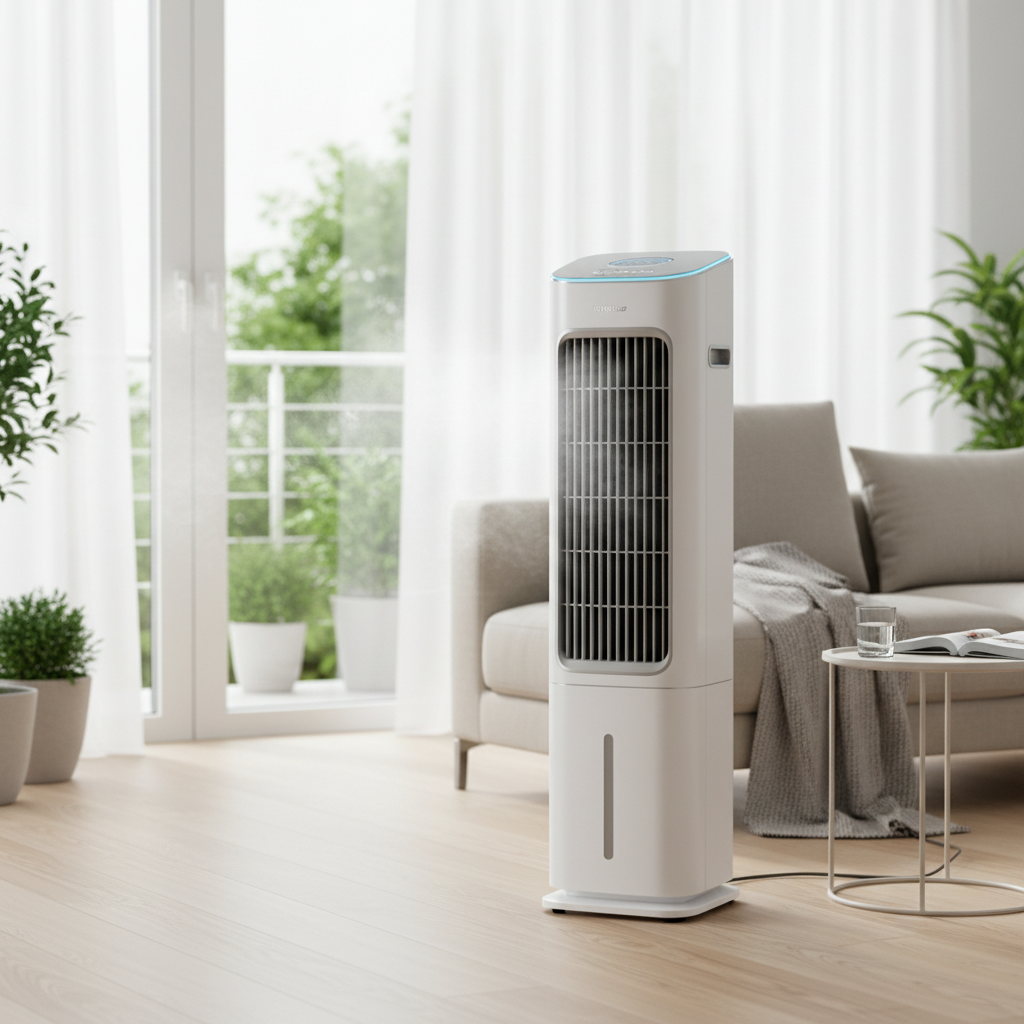
An air cooler, also widely known as an evaporative cooler or swamp cooler, is a cooling system that operates on the natural principle of water evaporation. Unlike air conditioners that use refrigerants and a compressor, an air cooler draws in warm, dry air from its surroundings using a fan. This air then passes through water-saturated cooling pads. As the water evaporates from these pads, it absorbs heat from the air, causing the air temperature to drop significantly. The now-cooled and slightly humidified air is then circulated back into the room.
The fundamental difference between air coolers and air conditioners lies in their cooling mechanism and impact on indoor humidity. Air conditioners dehumidify the air as they cool, which can be beneficial in very humid climates but can also lead to excessively dry air. Air coolers, by contrast, add moisture to the air during the cooling process, making them exceptionally effective and comfortable in hot, dry climates where the added humidity is often welcome. They are also celebrated for their energy efficiency, consuming far less power than conventional air conditioning units, and for being an environmentally friendly option as they do not use harmful chemical refrigerants. While they might not achieve the same extreme temperature drops as ACs, their cost-effectiveness, portability, and eco-friendliness make them a popular choice for many households and even outdoor spaces.
How Do Ionizers Work in Air Coolers?
The integration of an ionizer elevates the functionality of a standard air cooler, transforming it into a device that not only cools but also purifies the air. An ionizer works by releasing negatively charged ions into the air. These invisible ions are essentially electrically charged atoms or molecules. The air in our homes is often filled with positively charged particles, which include common pollutants like dust, pollen, pet dander, mold spores, and various allergens and bacteria.
When the negative ions released by the air cooler’s ionizer encounter these positively charged airborne particles, they are attracted to each other. As the negative ions attach to the pollutants, the particles become heavier. This increased weight causes them to fall out of the air and onto surfaces, such as the floor or furniture, where they can be easily cleaned up through regular dusting or vacuuming. By effectively removing these microscopic contaminants from the air you breathe, the ionizer contributes significantly to a cleaner and healthier indoor environment. This process operates silently and continuously, working alongside the cooling function to enhance your overall comfort and well-being.
Benefits of Air Coolers with Ionizers for Your Home
Combining cooling and air purification, air coolers with ionizers offer a compelling suite of benefits that extend beyond simple temperature regulation.
Enhanced Air Purification
|
Our Picks for the Best Air cooler in 2026
As an Amazon Associate I earn from qualifying purchases.
|
||
| Num | Product | Action |
|---|---|---|
| 1 | Portable Air Conditioners, Swamp Cooler Portable AC Unit for Room, Windowless Cooling Fan That Blow Cold Air w/Remote 5L Tank 12 Speeds 9H Timer, Evaporative Air Cooler for Bedroom Garage (White) |

|
| 2 | Evaporative Air Cooler - Swamp Cooler with 3L Water Tank, 3 Modes & 3 Speeds, Remote Control, 12H Timer, 50° Oscillating Portable Bladeless Cooling Tower Fan For Room Bedroom Office Mother's Day |
|
| 3 | Midea 5,000 BTU EasyCool Small Window Air Conditioner - Cool up to 150 Sq. Ft. with Easy-to-Use Mechanical Controls and Reusable Filter, Perfect for Small Bedroom, Living Room, Home Office |
|
| 4 | Arctic Air Pure Chill 2.0 Evaporative Air Cooler by Ontel - Powerful, Quiet, Lightweight and Portable Space Cooler with Hydro-Chill Technology For Bedroom, Office, Living Room & More,Blue |
|
| 5 | DREO Tower Fan for Bedroom, 43" Cooling Fans That Blow Cold Air 2026 Upgraded, Evaporative Air Cooler, Quiet 80° Oscillating Floor Fan, Easy Cleaning, APP Control, 4 Modes & 4 Speeds, 12H Timer, Black |
|
| 6 | 3-in-1 Portable Evaporative Air Cooler - 2000 CFM Swamp Cooler with 6.6-Gal Dual Tank & 4 Ice Packs, Remote Control, 12H Timer, Oscillating Cooling Fan for Large Room, Office, Mother's Day |
|
| 7 | LEVOIT Tower Fan for Bedroom, 90° Oscillating Standing Fan with 28dB Quiet for Sleep, 25ft/s Velocity, 12H Timer, 5 Speeds 4 Modes, Remoter, Bladeless Room Fan for Home, Office, Indoor, 36 inch, White |
|
| 8 | DREO Tower Fan for Bedroom, 2026 Upgraded DC Motor, 28ft/s High Velocity, 20dB Ultra Quiet Standing Fan, 8 Speeds 4 Modes, 90° Oscillating Bladeless Fan for Indoors, Floor Fans with Remote, Black |
|
| 9 | Portable Air Conditioners, 3-IN-1 Evaporative Air Cooler,Cooling Fans that Blow Cold Air with 60° Oscillation,9H Timer,3 Modes & 12 Speeds, 8 Ice Packs, Windowless Portable AC for Room,Bedroom,Office |
|
| 10 | DREO Evaporative Air Swamp Cooler, 43" Cooling Fans that Blow Cold Air 2026 Upgraded, 80° Oscillating Floor Fan for Bedroom, Easy Cleaning, APP Control, Ice Packs, 4 Speeds & 4 Modes, 12H Timer, White |
|
The primary advantage of an integrated ionizer is its ability to significantly improve indoor air quality. It acts as a silent guardian, actively reducing the concentration of common airborne irritants. This includes microscopic dust particles, seasonal pollen that can trigger allergies, pet dander from beloved companions, and even bacteria and other microorganisms that can impact respiratory health. For individuals with allergies, asthma, or general sensitivities to airborne pollutants, this enhanced purification can lead to fewer symptoms and greater overall comfort.
Improved Comfort
Beyond just purifying, ionizers can subtly enhance the feeling of freshness in a room. They are known to help reduce static electricity in the air, contributing to a more comfortable and pleasant atmosphere. Furthermore, by helping to de-clump particles, some suggest that ionizers can aid in the more even distribution of the cooled air, ensuring that the refreshing breeze reaches a wider area of your space more effectively. This creates a more uniformly comfortable environment, free from pockets of stale or less-cooled air.
Healthier Environment
A direct consequence of cleaner air is a healthier living space. By consistently removing a wide range of pollutants, an air cooler with an ionizer helps to mitigate potential health risks associated with poor indoor air quality. This includes reducing exposure to allergens that can cause sneezing, itching, and congestion, as well as minimizing the presence of bacteria. The result is a home environment that not only feels cooler and fresher but also actively promotes better respiratory health and overall well-being for you and your family.
Choosing the Perfect Air Cooler with Ionizer
Selecting the ideal air cooler with an ionizer involves careful consideration of your specific needs and the technical specifications of available models.
Determine Your Needs
Before diving into features, take a moment to assess your requirements.
- Room Size: Consider the square footage of the area you intend to cool. Air coolers, like all cooling devices, have a recommended coverage area. A small personal unit won’t be effective in a large living room.
- Purpose of Use: Is it for a bedroom, a home office, or perhaps a patio? Portable units are great for moving between spaces, while larger models are designed for more stationary use in bigger rooms.
- Budget: Air coolers with ionizers come in various price ranges. Having a clear budget in mind will help narrow down your options.
Technical Factors to Consider
Once you understand your needs, evaluate these technical aspects:
- Cooling Capacity & Airflow: Look for the unit’s airflow rate, often measured in Cubic Feet per Minute (CFM) or cubic meters per hour (CMH). A higher CFM generally indicates more powerful cooling and better air circulation.
- Water Tank Capacity: A larger water tank means longer operation between refills. If you prefer less frequent maintenance, opt for a model with a generous tank.
- Fan Speeds & Operating Modes: Multiple fan speeds offer flexibility to adjust cooling intensity. Look for modes like “sleep mode” for quiet operation at night, “natural breeze” for varied airflow, or “auto mode” that adjusts settings based on ambient conditions.
- Noise Level: Measured in decibels (dB), a lower number means quieter operation. This is especially important if the cooler will be used in bedrooms or quiet workspaces.
- Ionizer Features: Ensure the ionizer function can be turned on or off independently, giving you control. Some advanced models might offer different ionizer settings.
- Additional Filtration: While the ionizer handles fine particles, some air coolers also include dust filters or even HEPA-like filters for more comprehensive air purification, especially useful for severe allergy sufferers.
Reputable Brands and Features
While specific models of air coolers with ionizers may vary, look for brands known for reliability and customer support. Beyond core functionality, consider supplementary features that enhance convenience and user experience:
- Remote Control: Allows you to adjust settings from anywhere in the room.
- Timer Function: Useful for scheduling operation, such as turning off automatically after you fall asleep or turning on before you arrive home.
- Digital Display: Provides clear information on current settings, temperature, and modes.
- Caster Wheels: Essential for easy portability, especially for larger units.
- Water Level Indicator: Prevents dry running and makes refilling easier.
Price Segments of Air Coolers with Ionizers
Air coolers with ionizers are available across a spectrum of price points, each offering varying levels of features, capacity, and build quality. Understanding these segments can help you align your expectations with your budget.
Budget-Friendly Segment
In the entry-level price range, you’ll find air coolers with ionizers that focus on core functionality. These models typically feature:
- Basic Cooling: Sufficient for small personal spaces or rooms up to 150 sq ft.
- Smaller Water Tank: Requires more frequent refilling, often every 4-6 hours.
- Limited Features: Usually 2-3 fan speeds, a simple ionizer on/off switch, and manual controls.
- Materials: Often made with lightweight plastics, which can be less durable.
- Noise Level: May be more noticeable, especially on higher fan settings.
These are excellent choices for those seeking an economical way to add cooling and basic air purification to a compact area without breaking the bank.
Mid-Range Segment
Stepping up to the mid-range offers a balance of performance, features, and durability. These air coolers generally include:
- Moderate Cooling Capacity: Suitable for medium-sized rooms (150-300 sq ft).
- Larger Water Tank: Allows for longer continuous operation, reducing refill frequency.
- Enhanced Features: Multiple fan speeds, various operating modes (e.g., natural breeze, sleep), remote control, and possibly a timer function.
- Improved Build Quality: More robust construction and better aesthetics.
- Quieter Operation: Often designed with noise reduction in mind, offering a more pleasant experience.
Mid-range models are ideal for users who desire greater convenience, better performance, and a wider array of features for their main living areas or larger bedrooms.
Premium Segment
At the higher end of the market, premium air coolers with ionizers boast advanced technology, superior performance, and sophisticated designs. Expect features such as:
- High Cooling Capacity: Capable of effectively cooling large rooms or open-plan areas (300 sq ft+).
- Very Large Water Tank: Minimizes maintenance with extended run times, some with continuous water supply options.
- Advanced Features: Smart controls (Wi-Fi connectivity, app control), precise digital displays, auto-sensing air quality, multiple oscillation settings, and highly effective ionizers that might adjust intensity.
- Exceptional Build Quality: Durable materials, sleek designs, and often integrated into home décor seamlessly.
- Ultra-Quiet Operation: Engineered for minimal noise, even at higher settings.
Premium air coolers with ionizers are an investment for those who prioritize maximum performance, advanced smart features, superior air quality, and a sophisticated aesthetic in their home.
Top Air Coolers with Ionizers: Key Features to Look For
While a definitive “top list” of air coolers with ionizers can be subjective and model availability changes, focusing on the common features found in high-performing units across different brands will guide your choice. The best models in this category blend effective cooling with robust air purification.
Look for evaporative air coolers that offer a powerful yet quiet fan, capable of generating significant airflow (high CFM/CMH) to circulate cool air efficiently throughout your space. A sizable water tank is crucial, allowing for extended operation without constant refilling, which is especially beneficial overnight or during long workdays.
The integrated ionizer should be easily controllable, ideally with an on/off switch, to give you flexibility. Quality units will also often incorporate additional air filtration, such as a basic dust filter or even more advanced multi-layer filters, to complement the ionizer’s particle-clumping action. This multi-pronged approach ensures a comprehensive attack on airborne pollutants.
Smart features like remote control, a programmable timer, and multiple fan speeds (including a dedicated ‘sleep’ or ‘silent’ mode) enhance user convenience and adaptability to different environmental needs. Adjustable louvers or oscillation are also key for directing airflow effectively. Durable construction and ease of maintenance, particularly for cleaning the water tank and cooling pads, signify a well-engineered product designed for longevity and hygiene. When evaluating options, prioritize those that clearly state their capacity, noise levels, and purification technologies to ensure they meet your specific requirements for both cooling and air cleanliness.
Bảng So Sánh Các Model Máy Làm Mát Không Khí (Air Cooler) Tiêu Biểu
| Feature | Budget-Friendly | Mid-Range | Premium |
|---|---|---|---|
| Room Size Coverage | Small (up to 150 sq ft) | Medium (150-300 sq ft) | Large (300+ sq ft) |
| Cooling Capacity (CFM/CMH) | Low to Moderate | Moderate to High | Very High |
| Water Tank Capacity | Small (e.g., 5-10 liters) | Medium (e.g., 10-25 liters) | Large (e.g., 25+ liters) |
| Fan Speeds | 2-3 speeds | 3-4 speeds + modes | 4+ speeds, smart modes |
| Ionizer Functionality | Basic On/Off | Integrated, effective | Advanced, possibly auto-adjusting |
| Noise Level (dB) | 50-60 dB | 40-50 dB | <40 dB |
| Additional Filtration | Basic dust filter | Dust filter, sometimes carbon | Multi-stage (e.g., pre-filter, HEPA-like, carbon) |
| Controls | Manual, sometimes basic remote | Remote control, digital display | Smart (Wi-Fi, app, voice), touch screen |
| Special Features | Manual oscillation | Timer, sleep mode, auto-oscillation | Auto-sensing, air quality display, advanced modes |
| Portability | Lightweight, basic casters | Good casters, handle | Robust casters, ergonomic design |
| Maintenance Ease | Simple, manual cleaning | Fairly easy, accessible parts | Designed for easy cleaning, indicators |
| Price Range | $80 – $200 | $200 – $400 | $400+ |
Using and Maintaining Your Air Cooler with Ionizer Correctly
To ensure your air cooler with an ionizer operates efficiently and provides clean, cool air for years, proper usage and diligent maintenance are key.
Installation and Operation
- Placement: Position your air cooler in a location with good air circulation, ideally near a window or open door to draw in fresh air and allow moist air to exit. This is especially important in humid climates.
- Water Filling: Always use clean, cool water in the tank. For enhanced cooling, you can add ice packs or ice cubes to the water reservoir.
- Initial Setup: Before first use, ensure the cooling pads are thoroughly saturated with water. Run the fan on a low setting for a few minutes to allow the water to fully circulate.
- Ionizer Activation: Activate the ionizer function whenever you desire improved air quality, especially when dust, pollen, or odors are prevalent.
Regular Cleaning and Maintenance
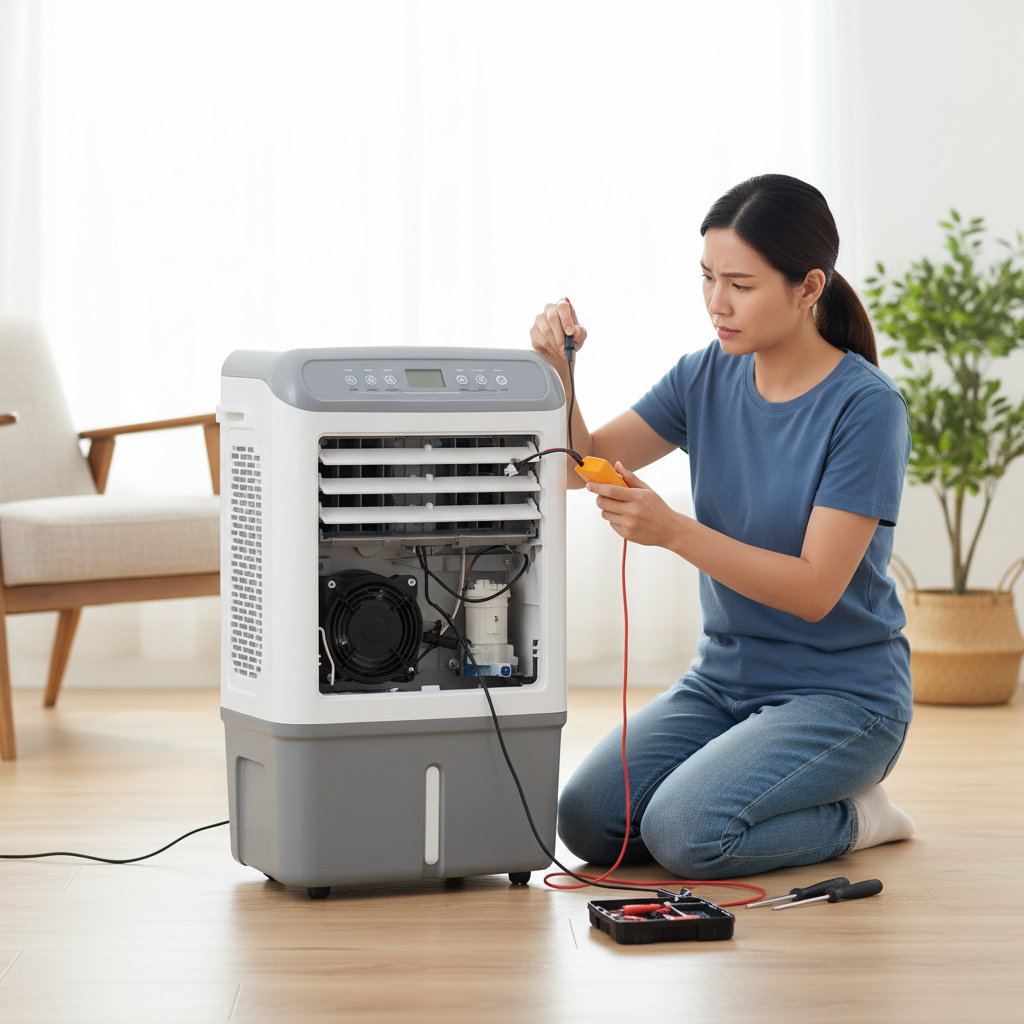
- Water Tank: Drain and clean the water tank regularly, at least once a week, to prevent the growth of mold, mildew, and bacteria. Use a mild detergent and rinse thoroughly.
- Cooling Pads: Inspect cooling pads periodically. If they appear dirty, discolored, or calcified, follow the manufacturer’s instructions for cleaning or replacement. Dirty pads reduce efficiency and air quality.
- Air Filters: If your unit has additional air filters, clean or replace them as recommended by the manufacturer, typically every few weeks or months depending on usage and air quality.
- Exterior: Wipe down the exterior of the unit with a soft, damp cloth to keep it dust-free.
- Seasonal Storage: Before storing the air cooler for an extended period, ensure the water tank is completely empty and dry, and all filters and pads are clean and dry to prevent mold growth.
Troubleshooting Common Issues
- Poor Cooling: Check water level, ensure cooling pads are wet, clean filters, and ensure adequate ventilation in the room.
- Unpleasant Odor: This usually indicates stagnant water or mold growth. Immediately drain, clean the tank, and clean/replace cooling pads.
- Reduced Airflow: Check for obstructions around the air intake or fan, and clean any clogged filters or pads.
By following these guidelines, you can maximize the performance and lifespan of your air cooler with an ionizer, ensuring a consistent supply of comfortable and clean air.
Important Considerations When Using an Air Cooler with Ionizer
While air coolers with ionizers offer numerous benefits, it’s essential to be aware of certain considerations to optimize their performance and ensure a healthy environment.
Firstly, air coolers perform best in hot, dry climates. Their cooling mechanism relies on the evaporation of water, which becomes less effective as ambient humidity rises. In highly humid environments, an air cooler may add too much moisture to the air, making the room feel clammy rather than cool. If you live in a humid region, consider using it with a window slightly ajar to allow some moisture to escape.
Secondly, never use an air cooler in a completely sealed room for extended periods if you are concerned about increasing humidity. While the ionizer works to clean the air, the evaporative cooling process will steadily raise the humidity levels. Good ventilation, such as an open window or door, is crucial for optimal performance and to prevent the room from becoming overly damp.
Thirdly, maintaining clean water and cooling pads is paramount for hygiene. Stagnant water can become a breeding ground for bacteria, mold, and mildew. Regularly changing the water and cleaning the tank and cooling pads (as detailed in the maintenance section) is vital. Neglecting this can lead to unpleasant odors and, more importantly, could recirculate contaminants into your air, counteracting the benefits of the ionizer. Always use fresh, clean water for the best results and a healthy home.
Conclusion
Choosing an air cooler with an ionizer is a smart step towards creating a more comfortable and healthier living space. These innovative devices offer a refreshing alternative to traditional air conditioning, providing efficient cooling through natural evaporation while simultaneously purifying your air with negative ion technology. By reducing dust, pollen, allergens, and other airborne irritants, they ensure you not only feel cooler but also breathe cleaner, fresher air. From understanding their core functionality and key benefits to selecting the right model based on your needs and diligently maintaining it, a well-chosen air cooler with an ionizer can significantly enhance your home environment. Are you ready to experience the dual benefits of refreshing coolness and purified air in your home?
Câu Hỏi Thường Gặp
How often should I clean my air cooler with an ionizer?
For optimal performance and hygiene, you should clean the water tank at least once a week. Cooling pads and any additional air filters should be inspected and cleaned or replaced according to the manufacturer’s guidelines, typically every few weeks to months, depending on usage and local air quality.
Can an air cooler with an ionizer replace an air conditioner?
While air coolers with ionizers provide effective cooling and air purification, they are not a direct replacement for air conditioners, especially in very humid climates. Air coolers are best suited for hot, dry environments where they add beneficial moisture, whereas ACs dehumidify and offer more powerful cooling regardless of humidity.
Do air coolers with ionizers produce ozone?
Most modern air coolers with ionizers are designed to produce minimal to no ozone, a potential lung irritant. It’s always advisable to check the product specifications and certifications to ensure the model you choose meets safety standards for ozone emissions, or allows the ionizer to be switched off if you have concerns.
What kind of water should I use in my air cooler?
Always use clean, fresh tap water in your air cooler. For enhanced cooling, you can use distilled water or add ice packs to the water tank. Avoid using perfumed or chemical-laden water, as this can damage the unit or release harmful substances into the air.
Are air coolers with ionizers energy efficient?
Yes, air coolers, especially evaporative models with ionizers, are significantly more energy-efficient than traditional air conditioners. They consume less electricity because they operate on the principle of water evaporation and do not use a compressor-based refrigeration cycle, leading to lower energy bills.