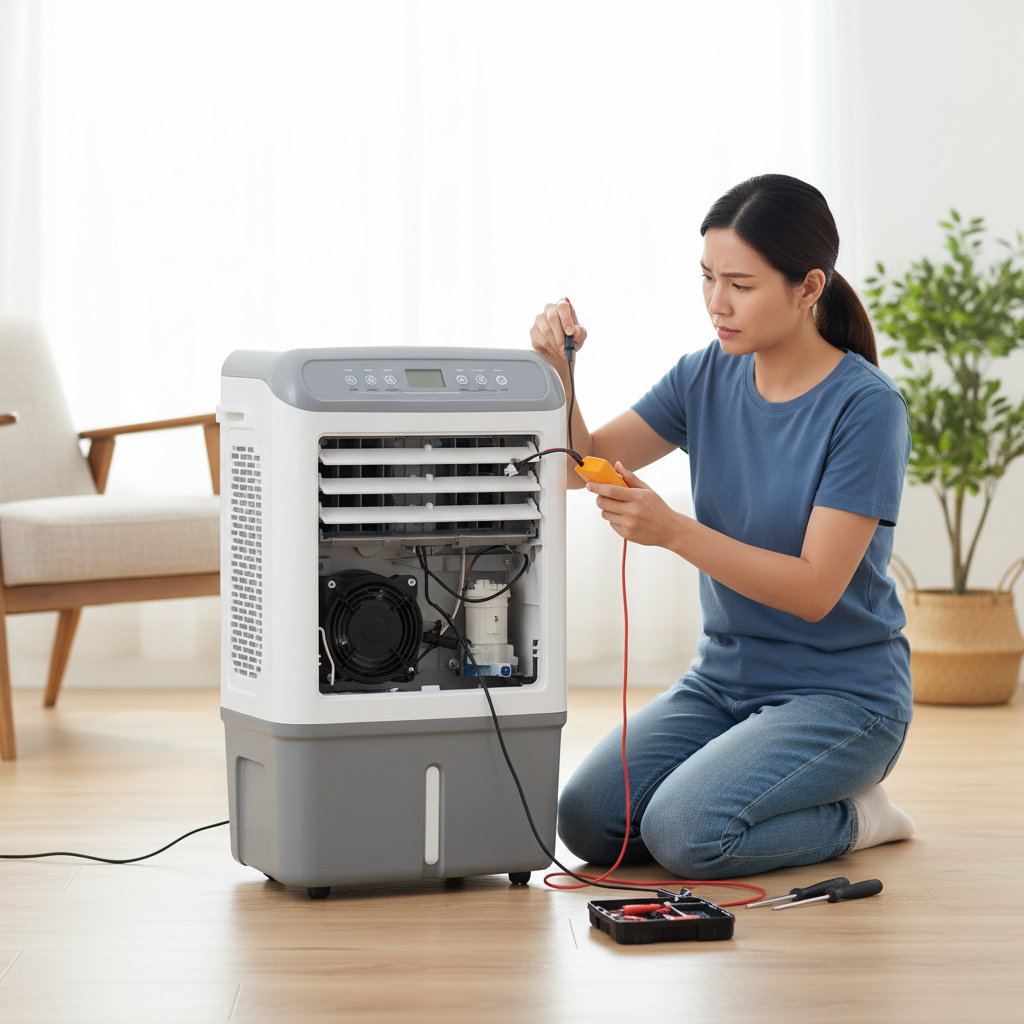
The refreshing breeze from an air cooler is a welcome respite from the heat, transforming stuffy rooms into comfortable havens. However, this common household appliance, designed to bring coolness, can inadvertently become a hidden breeding ground for mosquitoes if not properly maintained. The stagnant water in a cooler’s tank provides the ideal environment for these unwelcome insects to lay their eggs, leading to a host of health risks including dengue, malaria, and chikungunya. Understanding this overlooked issue and implementing preventive measures is crucial for safeguarding your home and family. This comprehensive guide will walk you through practical and effective strategies to ensure your air cooler remains a source of comfort, not a breeding ground for pests.
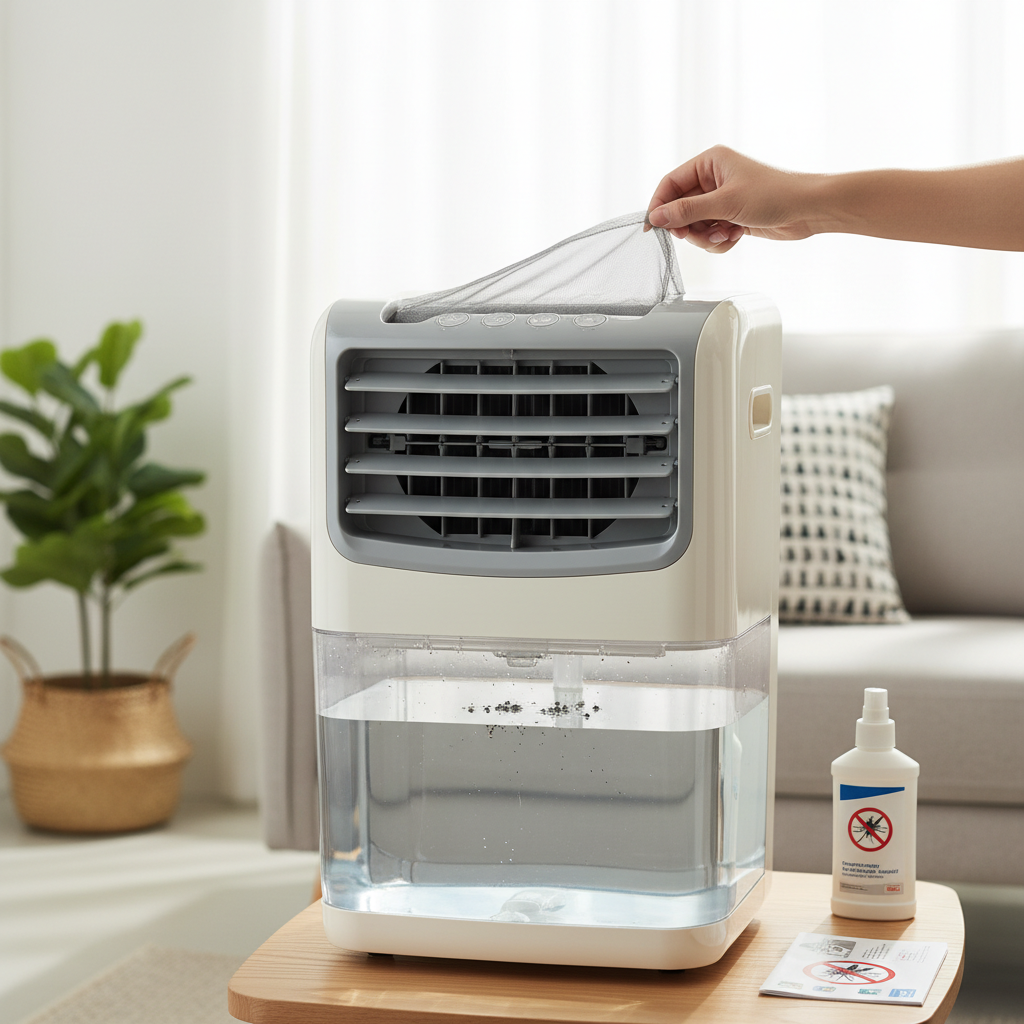
Understanding Why Air Coolers Attract Mosquitoes
Air coolers operate by drawing in warm air, passing it over water-soaked pads, and then releasing cooler, humidified air. This process, while effective for cooling, creates an environment that mosquitoes find incredibly appealing for reproduction. The water tank, often dark and undisturbed, offers the perfect conditions for mosquito eggs to hatch and larvae to develop into adult mosquitoes. Mosquitoes typically complete their life cycle from egg to adult in about 7-10 days, meaning that even a few days of stagnant water can lead to a thriving mosquito population. The risks associated with mosquito-borne diseases underscore the importance of proactive prevention.
Essential Strategies for Mosquito Prevention in Your Air Cooler
Maintaining a mosquito-free air cooler requires a combination of regular maintenance, smart additive use, and environmental awareness. By consistently applying these strategies, you can significantly reduce the risk of mosquito breeding.
1. Regular Cleaning and Water Management
The cornerstone of mosquito prevention is diligently managing the water in your cooler. This involves both frequent water changes and thorough cleaning.
- Frequent Water Changes: Make it a habit to drain and refill your air cooler’s water tank every two to three days. This simple act disrupts the mosquito life cycle, preventing larvae from maturing into adult mosquitoes.
- Thorough Cleaning: Beyond just changing the water, a deep clean is essential. Regularly scrub the inside of the water tank, cooling pads, and any accessible components. Use a mild disinfectant, a diluted vinegar solution, or a weak bleach solution to eliminate algae, bacteria, and any lingering mosquito larvae or eggs. Ensure that the water drains are clear and free from blockages to prevent any water from stagnating in hidden crevices.
- Dry Storage: When your air cooler is not in active use, especially during off-seasons, completely drain all water from the tank. Allow the tank and cooling pads to dry thoroughly before storing. It’s also advisable to store the cooler with its covers removed or slightly ajar to promote air circulation and prevent moisture buildup.
|
Our Picks for the Best Air cooler in 2026
As an Amazon Associate I earn from qualifying purchases.
|
||
| Num | Product | Action |
|---|---|---|
| 1 | Arctic Air Pure Chill 2.0 Evaporative Air Cooler by Ontel - Powerful, Quiet, Lightweight and Portable Space Cooler with Hydro-Chill Technology For Bedroom, Office, Living Room & More,Blue |

|
| 2 | DREO Evaporative Air Swamp Cooler, 43" Cooling Fans that Blow Cold Air 2026 Upgraded, 80° Oscillating Floor Fan for Bedroom, Easy Cleaning, APP Control, Ice Packs, 4 Speeds & 4 Modes, 12H Timer, White |
|
| 3 | LEVOIT Tower Fan for Bedroom, 90° Oscillating Standing Fan with 28dB Quiet for Sleep, 25ft/s Velocity, 12H Timer, 5 Speeds 4 Modes, Remoter, Bladeless Room Fan for Home, Office, Indoor, 36 inch, White |
|
| 4 | DREO Tower Fan for Bedroom, 2026 Upgraded DC Motor, 28ft/s High Velocity, 20dB Ultra Quiet Standing Fan, 8 Speeds 4 Modes, 90° Oscillating Bladeless Fan for Indoors, Floor Fans with Remote, Black |
|
| 5 | Portable Air Conditioners, Swamp Cooler Portable AC Unit for Room, Windowless Cooling Fan That Blow Cold Air w/Remote 5L Tank 12 Speeds 9H Timer, Evaporative Air Cooler for Bedroom Garage (White) |
|
| 6 | Portable Air Conditioners, 3-IN-1 Evaporative Air Cooler,Cooling Fans that Blow Cold Air with 60° Oscillation,9H Timer,3 Modes & 12 Speeds, 8 Ice Packs, Windowless Portable AC for Room,Bedroom,Office |
|
| 7 | 3-in-1 Portable Evaporative Air Cooler - 2000 CFM Swamp Cooler with 6.6-Gal Dual Tank & 4 Ice Packs, Remote Control, 12H Timer, Oscillating Cooling Fan for Large Room, Office, Mother's Day |
|
| 8 | Evaporative Air Cooler - Swamp Cooler with 3L Water Tank, 3 Modes & 3 Speeds, Remote Control, 12H Timer, 50° Oscillating Portable Bladeless Cooling Tower Fan For Room Bedroom Office Mother's Day |
|
| 9 | Midea 5,000 BTU EasyCool Small Window Air Conditioner - Cool up to 150 Sq. Ft. with Easy-to-Use Mechanical Controls and Reusable Filter, Perfect for Small Bedroom, Living Room, Home Office |
|
| 10 | DREO Tower Fan for Bedroom, 43" Cooling Fans That Blow Cold Air 2026 Upgraded, Evaporative Air Cooler, Quiet 80° Oscillating Floor Fan, Easy Cleaning, APP Control, 4 Modes & 4 Speeds, 12H Timer, Black |
|
2. Utilizing Natural and Commercial Repellents
Certain additives can be introduced to the cooler’s water to deter mosquitoes or kill their larvae. Exercise caution and always verify product compatibility with your cooler’s manufacturer guidelines.
- Natural Oils: A few drops of natural essential oils such as lemon, neem, eucalyptus, or peppermint oil can act as natural mosquito deterrents. These oils create an environment that mosquitoes find unpleasant, discouraging them from laying eggs. Always ensure these oils won’t damage your cooler’s components before regular use.
- BTI (Bacillus thuringiensis israelensis) Dunks/Pucks: For a highly effective and environmentally friendly solution, consider using BTI dunks or pucks. These small, doughnut-shaped products contain a naturally occurring bacterium that specifically targets and kills mosquito and blackfly larvae without harming humans, pets, or other beneficial insects. They can be placed directly into the cooler’s water tank.
- Mosquito Repellent Cartridges/Tablets: Some modern air cooler models come with integrated mosquito repellent systems or allow for the insertion of specialized repellent cartridges or tablets. Check if your model supports such features, or inquire at local appliance stores for compatible options.
3. Physical Barriers and Environmental Control
Beyond water management and additives, simple physical barriers and strategic placement can make a significant difference in preventing mosquito infestations.
- Mosquito Nets and Covers: Consider placing a fine-mesh mosquito net over your air cooler, particularly if it has large openings. Alternatively, install netting around the cooler’s grills to physically block mosquitoes from entering the water tank. When the cooler is turned off, covering it with a breathable fabric or mesh cover can also prevent entry.
- Seal Gaps: Periodically inspect your cooler unit for any unintended gaps, cracks, or holes. Even small openings can serve as entry points for mosquitoes. Seal any identified breaches to create a more enclosed system.
- Optimal Placement: The location of your air cooler can influence its susceptibility to mosquito breeding. Place your cooler in a well-ventilated area, avoiding dark, damp corners that mosquitoes naturally prefer. Good air circulation around the cooler helps to dry out moisture more quickly, making it less attractive for breeding.
- Moving Water: Mosquitoes are less likely to lay eggs in moving water. If your cooler is switched off for an extended period but still contains water, consider directing a small fan towards the water surface to create ripples. Adding ice to the water tank can also deter mosquitoes, as they generally avoid cold water.
Important Considerations and Best Practices
Making informed choices during purchase and maintaining consistent habits are key to long-term mosquito prevention.
- Cooler Design: When in the market for a new air cooler, prioritize models designed with mosquito prevention in mind. Look for features such as fully enclosed water tanks, easily removable and cleanable components, and efficient drainage systems that minimize stagnant water. These design elements can significantly simplify your maintenance efforts.
- Avoid Harmful Chemicals: While some remedies might suggest unconventional additives, it’s crucial to steer clear of unapproved or potentially harmful chemicals. Substances like kerosene or used engine oil, though sometimes mentioned for their ability to form a barrier on water, pose significant fire hazards, can damage your cooler’s plastic components, and introduce environmental and health risks. Stick to methods explicitly designed or proven safe for use in water coolers.
- Consistent Vigilance: Mosquito prevention is not a one-time task but an ongoing effort. Regular checks, consistent cleaning, and timely implementation of preventive measures are vital to keep your cooler mosquito-free throughout the cooling season. Your proactive approach ensures continuous comfort and protection.
Common Myths and Misconceptions
Dispelling common myths helps in adopting the most effective prevention strategies.
- “My cooler is sealed, so mosquitoes can’t get in.” Even seemingly sealed units can have small gaps or imperfections that allow mosquitoes to enter and access the water reservoir. Regular inspection and sealing are still necessary.
- “Only outdoor coolers breed mosquitoes.” Any air cooler, whether used indoors or outdoors, that holds stagnant water is a potential breeding ground. Mosquitoes can find their way into indoor coolers just as easily.
Conclusion
An air cooler should be a source of relief and comfort, not a contributor to health risks. By understanding why these appliances attract mosquitoes and diligently applying the essential strategies outlined, you can effectively prevent mosquito breeding in your home. From regular cleaning and water changes to utilizing natural deterrents and installing physical barriers, each step plays a crucial role in safeguarding your living environment. Consistent vigilance and adherence to these practices will ensure your air cooler remains a healthy and efficient cooling solution, providing peace of mind alongside a refreshing breeze. What steps will you take today to protect your home from these unwanted guests?
Frequently Asked Questions
How often should I clean my air cooler to prevent mosquitoes?
You should aim to drain and clean your air cooler’s water tank and pads every 2-3 days, especially during mosquito season. This prevents larvae from developing and thriving.
Can I put mosquito repellent directly into my cooler’s water?
While some natural oils like neem or eucalyptus can be added cautiously, and specific cooler models may have repellent cartridges, it’s crucial to check your cooler’s manual. Avoid harsh chemicals not designed for water coolers.
What are the signs of mosquito breeding in my cooler?
Look for tiny, wiggling “wrigglers” or larvae in the water. You might also notice adult mosquitoes around the cooler.
Are there specific types of coolers less prone to mosquito breeding?
Coolers with fully enclosed water tanks, easy-to-access components for cleaning, and proper drainage systems are generally less likely to become breeding grounds.
What diseases can mosquitoes from coolers transmit?
Mosquitoes commonly associated with stagnant water can transmit diseases such as dengue, malaria, and chikungunya, making prevention critical for public health.