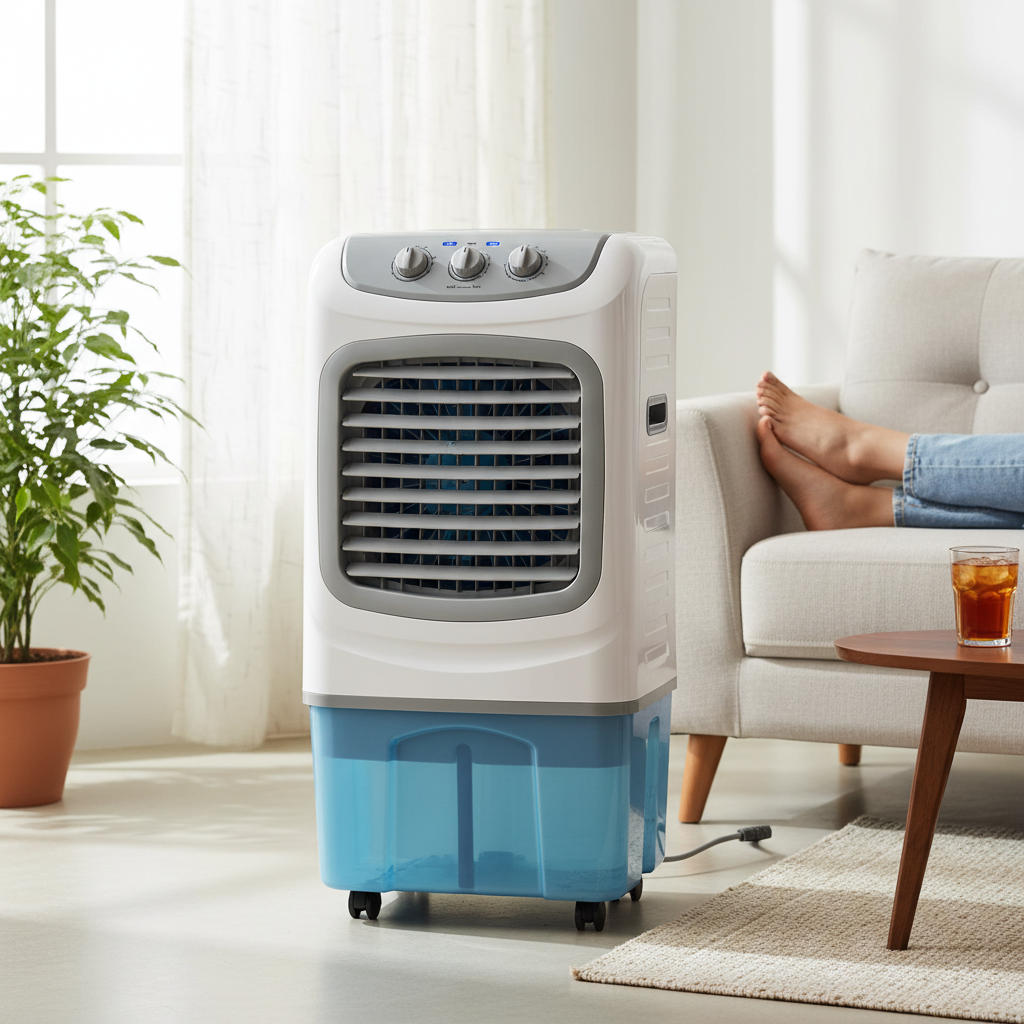
As summer temperatures rise, many of us seek effective and affordable ways to stay cool without breaking the bank. Air coolers, often called evaporative or swamp coolers, present a popular alternative to conventional air conditioning. But a common question arises: does adding ice to an air cooler, particularly one with a dedicated ice chamber, genuinely enhance its cooling capabilities, or is it just a fleeting sensation? Let’s delve into the science and practicalities to understand the true impact of ice on air cooler performance.
What is an Air Cooler?
An air cooler operates on the principle of evaporative cooling, a natural process where water absorbs heat from the air as it evaporates. Unlike air conditioners that use refrigerants to cool and dehumidify, air coolers draw warm, dry air over water-saturated pads. As the water on the pads evaporates, it reduces the air temperature, and a fan then blows this cooler, moister air into your room.
The primary difference between an air cooler and an air conditioner lies in their mechanism. Air conditioners remove heat and humidity using refrigerants and compressors, creating a drier, colder environment. Air coolers, on the other hand, rely on water evaporation, which can increase indoor humidity.
Advantages of Air Coolers:
- Energy Efficiency: They consume significantly less electricity than air conditioners, leading to lower utility bills.
- Cost-Effective: Generally more affordable to purchase and maintain.
- Environmentally Friendly: They do not use harmful refrigerants, contributing to a smaller carbon footprint.
- Adds Moisture: Beneficial in dry climates, as they can prevent skin and throat dryness.
- Portability: Many models are lightweight and can be easily moved between rooms.
Disadvantages of Air Coolers:
- Humidity Increase: Can make humid climates feel muggier and less effective.
- Limited Cooling Power: Cannot achieve the same low temperatures as air conditioners.
- Requires Ventilation: Needs open windows or doors for optimal performance to dissipate humid air.
- Water Refills: Requires regular refilling of the water tank.
|
Our Picks for the Best Air cooler in 2026
As an Amazon Associate I earn from qualifying purchases.
|
||
| Num | Product | Action |
|---|---|---|
| 1 | DREO Evaporative Air Swamp Cooler, 43" Cooling Fans that Blow Cold Air 2026 Upgraded, 80° Oscillating Floor Fan for Bedroom, Easy Cleaning, APP Control, Ice Packs, 4 Speeds & 4 Modes, 12H Timer, White |

|
| 2 | DREO Tower Fan for Bedroom, 2026 Upgraded DC Motor, 28ft/s High Velocity, 20dB Ultra Quiet Standing Fan, 8 Speeds 4 Modes, 90° Oscillating Bladeless Fan for Indoors, Floor Fans with Remote, Black |
|
| 3 | Arctic Air Pure Chill 2.0 Evaporative Air Cooler by Ontel - Powerful, Quiet, Lightweight and Portable Space Cooler with Hydro-Chill Technology For Bedroom, Office, Living Room & More,Blue |
|
| 4 | Portable Air Conditioners, 3-IN-1 Evaporative Air Cooler,Cooling Fans that Blow Cold Air with 60° Oscillation,9H Timer,3 Modes & 12 Speeds, 8 Ice Packs, Windowless Portable AC for Room,Bedroom,Office |
|
| 5 | LEVOIT Tower Fan for Bedroom, 90° Oscillating Standing Fan with 28dB Quiet for Sleep, 25ft/s Velocity, 12H Timer, 5 Speeds 4 Modes, Remoter, Bladeless Room Fan for Home, Office, Indoor, 36 inch, White |
|
| 6 | Midea 5,000 BTU EasyCool Small Window Air Conditioner - Cool up to 150 Sq. Ft. with Easy-to-Use Mechanical Controls and Reusable Filter, Perfect for Small Bedroom, Living Room, Home Office |
|
| 7 | Portable Air Conditioners, Swamp Cooler Portable AC Unit for Room, Windowless Cooling Fan That Blow Cold Air w/Remote 5L Tank 12 Speeds 9H Timer, Evaporative Air Cooler for Bedroom Garage (White) |
|
| 8 | 3-in-1 Portable Evaporative Air Cooler - 2000 CFM Swamp Cooler with 6.6-Gal Dual Tank & 4 Ice Packs, Remote Control, 12H Timer, Oscillating Cooling Fan for Large Room, Office, Mother's Day |
|
| 9 | DREO Tower Fan for Bedroom, 43" Cooling Fans That Blow Cold Air 2026 Upgraded, Evaporative Air Cooler, Quiet 80° Oscillating Floor Fan, Easy Cleaning, APP Control, 4 Modes & 4 Speeds, 12H Timer, Black |
|
| 10 | Evaporative Air Cooler - Swamp Cooler with 3L Water Tank, 3 Modes & 3 Speeds, Remote Control, 12H Timer, 50° Oscillating Portable Bladeless Cooling Tower Fan For Room Bedroom Office Mother's Day |
|
How Ice Enhances Air Cooler Performance
When ice is introduced into an air cooler, it provides a direct boost to the cooling process, leveraging additional physical properties of water.
The Science Behind It
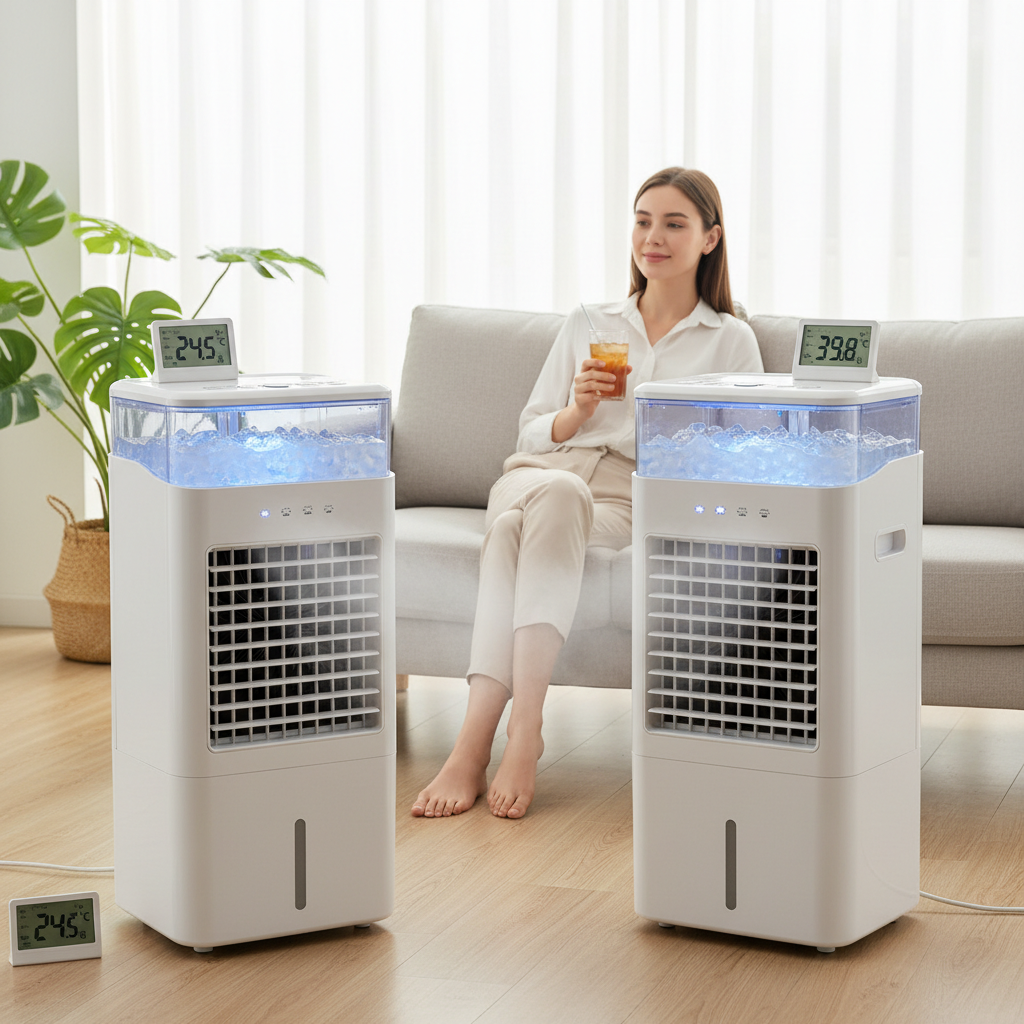
The core principle of an air cooler is evaporative cooling, which primarily depends on the latent heat of vaporization – the energy required for water to turn into vapor. However, when ice is added, an additional factor comes into play: the latent heat of fusion. As ice melts into water, it absorbs a substantial amount of heat from its surroundings without changing its temperature (remaining at 0°C/32°F until fully melted). This chilling effect directly lowers the temperature of the water circulating through the cooler’s pads.
When the air then passes over these much colder, water-saturated pads, it experiences a more immediate and significant drop in temperature. This creates a blast of colder air than would be possible with just room-temperature water. Studies and user feedback indicate that adding ice can lead to a noticeable drop in the outlet air temperature, typically between 1-3°C, offering faster and more effective relief from heat. This immediate cooling is particularly appreciated during peak heat moments.
Benefits of Ice Chambers
Air coolers equipped with dedicated ice chambers are designed to maximize this effect. These compartments hold ice cubes or ice packs, keeping them separate from the main water tank initially, or allowing them to slowly melt into it.
- Enhanced Cooling Power and Speed: Ice makes a tangible difference by significantly lowering the water temperature, leading to a quicker and more pronounced cooling effect as air passes through the unit. This is ideal when you need rapid relief from scorching temperatures.
- Extended Cooling Duration (Temporary): While the effect is not endless, ice can help maintain a lower temperature for a longer period compared to coolers relying solely on room-temperature water. As the ice gradually melts, it continues to chill the water, prolonging the enhanced cooling.
- Energy Efficiency: The beauty of using ice is that it enhances cooling without increasing the air cooler’s power consumption. The energy for melting the ice comes from the ambient heat, not from the electrical grid, making it an affordable and energy-efficient way to boost performance.
- Improved Air Quality (in Dry Climates): In very dry, arid regions, the use of ice can introduce a refreshing, slightly more moisture-laden breeze. This can make the air feel cooler and more comfortable, combating the dryness.
Understanding Air Cooler Effectiveness: Ice vs. No Ice
The distinction between using an air cooler with and without ice boils down to the intensity and duration of the cooling effect, heavily influenced by environmental conditions.
The “No Ice” Scenario
Without ice, an air cooler relies purely on the evaporative cooling process. Warm air is drawn over wet pads, and as water evaporates, it absorbs heat, thus cooling the air. The effectiveness of this method is primarily governed by:
- Ambient Temperature: Higher temperatures mean more heat for the water to absorb, potentially leading to more significant cooling, assuming humidity is low.
- Humidity Levels: This is the most critical factor. In dry climates, water evaporates readily, resulting in substantial cooling. However, in humid environments, the air is already saturated with moisture, significantly limiting further evaporation. When evaporation is stifled, the cooling effect diminishes drastically, and the cooler may even make the room feel muggier by adding more moisture without adequate temperature reduction.
- Airflow and Pad Saturation: Optimal airflow through well-saturated, clean cooling pads ensures efficient heat exchange and evaporation.
The “Ice” Scenario
Introducing ice transforms the air cooler into a hybrid cooling device, offering a temporary yet impactful enhancement.
- Temporary Boost and Immediate Relief: The most notable benefit of ice is the initial “blast” of colder air. This is a direct cooling effect from the melting ice chilling the water, providing immediate comfort. However, this effect is inherently temporary, lasting only until the ice has fully melted and the water returns to ambient temperature. It acts as a powerful, short-term booster rather than a continuous, long-term solution.
- Limitations in Humid Climates: While ice provides a colder initial water temperature, it cannot fundamentally overcome the limitations imposed by high humidity. Evaporative cooling remains ineffective if the air is already saturated. In fact, adding ice might still contribute to increased humidity without achieving satisfactory cooling, potentially leading to discomfort. As one user noted, “You get a blast of colder air at first… then it quickly balances out” when discussing ice in humid conditions.
- Addressing the “Slow Down Evaporation” Nuance: Some argue that ice could slow down evaporation because water needs a certain amount of heat to evaporate efficiently. However, the prevailing view and user experience suggest that the direct chilling effect of the ice on the water and pads outweighs any potential minimal reduction in evaporation rate. The colder water passing over the pads ensures that the air blown out is colder, regardless of a slight change in the rate of evaporation. The primary mechanism still involves evaporation, but the starting temperature of the water is significantly lower due to the ice.
Choosing and Using Ice in Your Air Cooler
Making the right choices for ice and its application can significantly impact your air cooler’s effectiveness.
Dedicated Ice Chambers
Many modern air coolers are designed with specific ice chambers or compartments. These are ideal because they:
- Ensure Proper Integration: The design accounts for melting ice, preventing overflow and ensuring the chilled water is directed efficiently over the cooling pads.
- Convenience: Often designed for easy access, refilling, and cleaning.
- Optimized Cooling: Positioned to maximize the direct chilling of the water and air before it’s blown out.
Adding Ice to Regular Water Tanks
If your air cooler lacks a dedicated ice chamber, you can still add ice directly to the main water tank in some models. However, it’s crucial to exercise caution:
- Check User Manual: Always consult your cooler’s manual to ensure it’s safe to add ice to the water tank without damaging components or affecting performance.
- Risk of Overflow: As ice melts, it adds volume to the water. Be mindful not to overfill the tank to prevent spills.
- Dilution: Direct ice contact might lead to more rapid dilution of any water treatments or simply a faster return to ambient water temperature.
Ice Cubes vs. Ice Packs/Block Ice
The type of ice you use also plays a role in cooling efficiency and convenience.
- Ice Cubes:
- Pros: Readily available, provide immediate cooling.
- Cons: Melt relatively quickly, requiring frequent replacement. Can dilute the water faster.
- Ice Packs (Sealed Gel Packs):
- Pros: Last longer than ice cubes, provide consistent cooling, prevent water dilution, and avoid leaks into the main water tank. Many air coolers, like NNIO models, include these.
- Cons: Require pre-freezing and a freezer space.
- Block Ice (or Frozen Water Bottles/Jugs):
- Pros: Melts much slower than cubes, offering extended cooling. Can be homemade in containers like milk jugs or bread pans. Frozen water bottles can also double as drinking water once melted.
- Cons: Takes up more space in the freezer and the cooler.
Expert Tips for Maximizing Cooling with Ice
To truly get the most out of your ice-enhanced air cooler, follow these expert recommendations:
- Proper Room Ventilation: Air coolers need fresh air. Keep windows and doors open, especially those opposite the cooler, to allow hot, humid air to escape and fresh, dry air to enter. Good cross-ventilation is key for evaporative cooling to work efficiently. Avoid running an air cooler in a sealed room, as this will only increase humidity without effective cooling.
- Pre-Cooling Strategies:
- Pre-chill the Room: Before turning on the air cooler, use ceiling fans or exhaust fans to circulate air and reduce the overall room temperature.
- Block Sunlight: Close blinds or curtains during the hottest parts of the day to prevent direct sunlight from heating your indoor space.
- Turn Off Heat Sources: Minimize heat-generating appliances like ovens, computers, and incandescent lights.
- Strategic Ice Placement:
- Dedicated Chambers First: Always utilize the designated ice chamber if your cooler has one.
- Mesh Bags for Cubes: If adding cubes to the water tank, consider placing them in a mesh bag. This helps prevent direct contact with the water, reducing rapid melting and dilution while still allowing the cold to transfer.
- Top Placement: For coolers without chambers, placing large ice packs or frozen bottles on top of the cooling pads can sometimes be more effective, as cold air naturally sinks.
- Regular Rotation and Replacement: Ice cubes melt relatively fast (typically 1-4 hours). To maintain enhanced cooling, be prepared to replace them regularly. Having a supply of frozen ice packs or block ice ready is highly beneficial.
- Avoid Additives: Do not add essential oils, fragrances, or other chemicals to the water or ice chamber. These can clog the pump and cooling pads, damaging the unit and potentially affecting air quality.
- Consistent Cleaning: Melting ice can contribute to increased moisture and the potential for bacterial or mold growth in the water tank and pads. Empty and clean the water tank daily to prevent unpleasant odors and ensure hygienic operation.
When to Choose an Ice-Enhanced Air Cooler (and When Not To)
Deciding whether an air cooler with or without ice, or even an air conditioner, is right for you depends on several factors.
When an Air Cooler with Ice Makes Sense:
- Dry, Hot Climates: This is where evaporative cooling, especially enhanced with ice, shines. Low humidity allows for maximum water evaporation, and the ice provides an extra chill.
- Smaller to Medium-Sized Rooms: For spaces typically up to 500 square feet, an ice-enhanced air cooler can provide adequate and quick relief.
- Budget-Friendly Cooling: They are significantly more affordable than air conditioners, both in initial cost and running expenses, making them excellent for those on a tight budget.
- Energy Efficiency is a Priority: If you’re conscious about electricity consumption and your carbon footprint, an ice cooler is a much greener choice than an AC.
- Need for Quick, Temporary Cooling: When you need an immediate temperature drop for a few hours, such as during the hottest part of the afternoon or for a quick cool-down before bed, ice provides that effective, albeit temporary, boost.
- Portability: Many ice-chamber air coolers are designed to be easily moved from room to room, offering flexible cooling where and when you need it.
When a Standard Air Cooler (No Ice) May Suffice:
- Moderately Hot, Dry Climates: If temperatures are warm but not extreme, and humidity is consistently low, a standard air cooler might provide sufficient comfort without the hassle of managing ice.
When an Air Conditioner Might Be a Better Choice:
- Humid Climates: In regions with high humidity, air coolers, even with ice, struggle to be effective and can increase discomfort. An AC’s dehumidifying capabilities are superior here.
- Larger Rooms or Open Spaces: Air conditioners are designed to cool larger volumes more powerfully and consistently.
- Need for Consistent, Precise Cooling: If you require a specific temperature to be maintained consistently throughout the day, an AC offers greater control and reliability.
- Low Noise Tolerance: While some air coolers are quiet, many AC units are designed for quieter operation, which can be preferable for sleeping or working environments.
- Higher Budget: If you’re prepared for a higher initial investment and increased electricity bills for superior and consistent cooling, an AC is the more powerful solution.
Conclusion
So, does adding ice really cool an air cooler more? The answer is a resounding yes, but with important caveats. Ice acts as a powerful, temporary booster, capable of providing a noticeable 1-3°C drop in air temperature and delivering immediate, refreshing relief. This makes it an invaluable feature, especially in dry, hot climates where evaporative cooling is most effective. Ice chambers enhance the cooling power, extend the duration of the chilled air, and do so without increasing energy consumption.
However, the effect is not perpetual; it lasts only as long as the ice melts. Furthermore, in highly humid environments, even ice cannot overcome the fundamental limitations of evaporative cooling, and might even exacerbate a feeling of stuffiness. To truly maximize the benefits, users should prioritize proper ventilation, pre-cool rooms, choose suitable ice types like ice packs or block ice, and adhere to regular maintenance. Ultimately, an ice-enhanced air cooler is an excellent, energy-efficient choice for rapid, localized cooling in appropriate conditions, offering a smart way to beat the heat on a budget.
Considering your climate and specific cooling needs, will an ice-enhanced air cooler become your secret weapon against the summer heat?
Frequently Asked Questions
Can you put ice in an air cooler every day?
Yes, you can safely add ice to your air cooler daily, especially during peak hot weather. However, it’s crucial to maintain cleanliness. Regularly empty and clean the ice chamber or water tank to prevent the buildup of bacteria, mold, or unpleasant odors that can result from melting ice and stagnant water. Proper maintenance ensures healthy and efficient operation.
Does ice damage the cooler motor?
No, adding ice does not typically damage the cooler motor when used correctly. Air coolers are designed to handle water and, in many cases, ice within designated chambers. Ensure you place ice only in the specified compartment or directly into the water tank without overfilling. Overloading the cooler or allowing ice to obstruct airflow might put undue strain on the motor, so always follow the manufacturer’s guidelines.
How long does ice last in an air cooler?
The duration for which ice lasts in an air cooler can vary significantly, typically ranging from 1 to 4 hours. This depends on several factors: the size and type of ice (larger blocks or gel packs last longer than small cubes), the ambient room temperature, the cooler’s insulation, and its design (e.g., dedicated ice chambers prolong melt time). Regular replacement or using larger, slow-melting ice forms will help sustain the enhanced cooling effect.