As the temperatures rise and the sun beats down, finding an effective yet efficient way to stay cool becomes a top priority for many households. While air conditioners offer powerful cooling, they often come with high energy bills and environmental concerns. This is where air coolers, also known as evaporative coolers, step in as a popular, eco-friendly alternative. They provide a refreshing breeze, consume less power, and are surprisingly effective in the right conditions. Today, we delve into the world of air cooling, with a special focus on a popular choice for personal and small room cooling: the McCoy 34 Liters Honeycomb Air Cooler. Understanding its features, benefits, and how it compares to other options can help you make an informed decision for a cooler home.
What is an Air Cooler (Evaporative Cooler)?
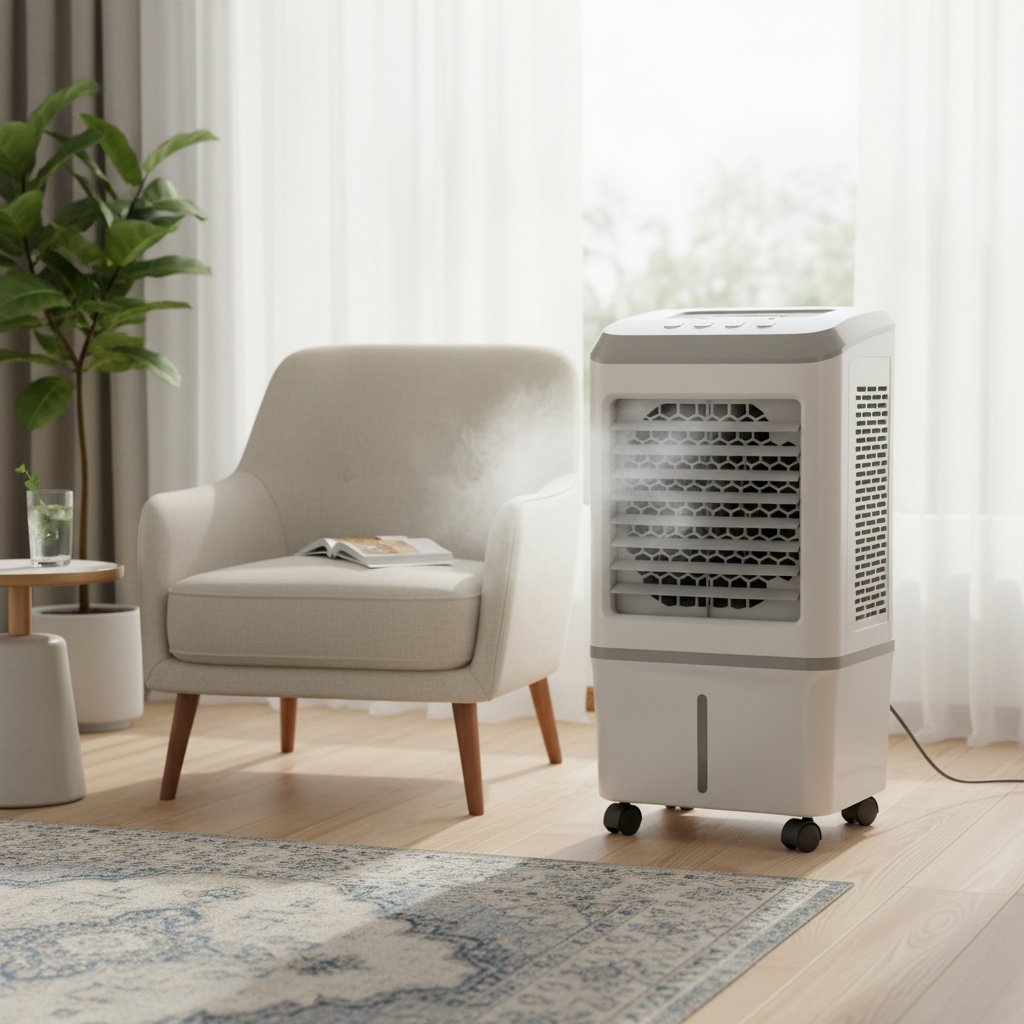
An air cooler operates on the natural principle of evaporative cooling, mimicking the refreshing sensation you feel near a waterfall or a lake. This process involves drawing in warm, dry air from the environment and passing it over water-saturated cooling pads. As the water evaporates from these pads, it absorbs heat from the air, effectively lowering its temperature. A fan then circulates this newly cooled, humidified air back into the room, creating a comfortable and fresh environment without the need for chemical refrigerants.
The core difference between an air cooler and an air conditioner lies in their operational mechanisms and impact on the air. Air conditioners use refrigerants in a closed-loop system to cool and often dehumidify the air, recirculating the same air within a sealed room. In contrast, air coolers introduce fresh, outdoor air, adding moisture to it, which is particularly beneficial in dry climates. Air coolers are generally more affordable to purchase and operate, consuming significantly less electricity. However, they are most effective in areas with low humidity, as high humidity can hinder the evaporation process and make the air feel muggy.
“Air coolers provide a breath of fresh air, literally, as they continuously draw in outside air and cool it through a natural process, unlike air conditioners that recirculate indoor air.”
Advantages of Air Coolers:
- Energy Efficiency: They consume much less electricity than air conditioners, leading to lower utility bills.
- Eco-Friendly: Air coolers do not use ozone-depleting refrigerants, making them a greener cooling solution.
- Better Air Quality: By drawing in fresh air and adding moisture, they can improve indoor air quality and prevent the dry skin and eye irritation often associated with air conditioners.
- Portability: Many models, including personal coolers, are lightweight and equipped with castor wheels for easy movement between rooms.
- Cost-Effective: Both the initial purchase price and running costs are significantly lower than those of air conditioners.
|
Our Picks for the Best Air cooler in 2026
As an Amazon Associate I earn from qualifying purchases.
|
||
| Num | Product | Action |
|---|---|---|
| 1 | DREO Tower Fan for Bedroom, 43" Cooling Fans That Blow Cold Air 2026 Upgraded, Evaporative Air Cooler, Quiet 80° Oscillating Floor Fan, Easy Cleaning, APP Control, 4 Modes & 4 Speeds, 12H Timer, Black |

|
| 2 | Midea 5,000 BTU EasyCool Small Window Air Conditioner - Cool up to 150 Sq. Ft. with Easy-to-Use Mechanical Controls and Reusable Filter, Perfect for Small Bedroom, Living Room, Home Office |
|
| 3 | 3-in-1 Portable Evaporative Air Cooler - 2000 CFM Swamp Cooler with 6.6-Gal Dual Tank & 4 Ice Packs, Remote Control, 12H Timer, Oscillating Cooling Fan for Large Room, Office, Mother's Day |
|
| 4 | LEVOIT Tower Fan for Bedroom, 90° Oscillating Standing Fan with 28dB Quiet for Sleep, 25ft/s Velocity, 12H Timer, 5 Speeds 4 Modes, Remoter, Bladeless Room Fan for Home, Office, Indoor, 36 inch, White |
|
| 5 | Portable Air Conditioners, 3-IN-1 Evaporative Air Cooler,Cooling Fans that Blow Cold Air with 60° Oscillation,9H Timer,3 Modes & 12 Speeds, 8 Ice Packs, Windowless Portable AC for Room,Bedroom,Office |
|
| 6 | DREO Evaporative Air Swamp Cooler, 43" Cooling Fans that Blow Cold Air 2026 Upgraded, 80° Oscillating Floor Fan for Bedroom, Easy Cleaning, APP Control, Ice Packs, 4 Speeds & 4 Modes, 12H Timer, White |
|
| 7 | Portable Air Conditioners, Swamp Cooler Portable AC Unit for Room, Windowless Cooling Fan That Blow Cold Air w/Remote 5L Tank 12 Speeds 9H Timer, Evaporative Air Cooler for Bedroom Garage (White) |
|
| 8 | Evaporative Air Cooler - Swamp Cooler with 3L Water Tank, 3 Modes & 3 Speeds, Remote Control, 12H Timer, 50° Oscillating Portable Bladeless Cooling Tower Fan For Room Bedroom Office Mother's Day |
|
| 9 | DREO Tower Fan for Bedroom, 2026 Upgraded DC Motor, 28ft/s High Velocity, 20dB Ultra Quiet Standing Fan, 8 Speeds 4 Modes, 90° Oscillating Bladeless Fan for Indoors, Floor Fans with Remote, Black |
|
| 10 | Arctic Air Pure Chill 2.0 Evaporative Air Cooler by Ontel - Powerful, Quiet, Lightweight and Portable Space Cooler with Hydro-Chill Technology For Bedroom, Office, Living Room & More,Blue |
|
Disadvantages of Air Coolers:
- Humidity Dependence: Their cooling efficiency drastically drops in highly humid environments, as evaporation is reduced.
- Requires Ventilation: For optimal performance and to prevent excess humidity, air coolers work best in rooms with open windows or doors.
- Limited Temperature Drop: They cannot achieve the same level of temperature reduction as air conditioners.
Choosing the Perfect Air Cooler for Your Home
Selecting the right air cooler involves evaluating several factors to ensure it meets your specific cooling requirements and budget. A well-chosen air cooler can provide significant comfort during hot seasons.
Determine Your Usage Needs
Before diving into technical specifications, consider how and where you’ll primarily use the air cooler.
- Room Size: Measure the area of the room you intend to cool. Personal coolers are ideal for smaller spaces like bedrooms or studies, while desert coolers are designed for larger living areas or even semi-outdoor spaces. An undersized cooler will struggle, wasting energy without providing adequate comfort.
- Purpose: Do you need cooling for a single person, a small family, or a larger gathering? This will influence the required air delivery rate (CMH/CFM) and water tank capacity.
- Budget: Air coolers are available across various price points, so setting a budget beforehand can help narrow down your options.
Essential Technical Factors
Once you understand your needs, these technical specifications will guide your selection.
- Capacity (Water Tank): The water tank capacity determines how long the cooler can operate without needing a refill. Larger tanks (e.g., 34 liters) are convenient for overnight cooling or extended use, while smaller tanks require more frequent refilling.
- Airflow (CMH/CFM): Cubic Meters per Hour (CMH) or Cubic Feet per Minute (CFM) indicates the volume of air the cooler can circulate. A higher CMH/CFM rating is essential for effectively cooling larger rooms. For example, a personal cooler might offer around 1500 CMH, suitable for small to medium rooms.
- Cooling Pads: The quality and type of cooling pads significantly impact efficiency. Honeycomb pads, made from cellulose, are highly efficient, durable, and require less maintenance due to their excellent water retention and larger surface area for evaporation. They generally outperform traditional wood wool (grass) pads in cooling efficiency and longevity.
- Noise Level: Noise can be a concern, especially if the cooler is used in a bedroom or office. Look for models featuring “double ball bearing motors” or specific noise reduction technologies for quieter operation. Check user reviews for real-world feedback on noise.
- Power Consumption: Air coolers are inherently energy-efficient, but checking the wattage can still help you compare models. Lower wattage means lower running costs. Most personal coolers consume around 150-200 watts.
- Operating Modes: Some coolers offer various modes like normal, natural (simulates breeze), or sleep mode, which can adjust fan speed and cooling intensity for different comfort levels.
Reputable Brands and Features
While there are many brands on the market, choosing a reputable one often ensures better product quality, customer service, and warranty support. Look for brands known for their reliability in home appliances.
- Additional Features to Consider:
- Remote Control: Offers convenience, allowing you to adjust settings from a distance.
- Timer Function: Useful for setting the cooler to turn off automatically after a certain period, saving energy.
- Ice Chamber: An integrated compartment for adding ice cubes or gel packs can significantly boost cooling performance during peak heat.
- Inverter Compatibility: Ensures the cooler can run efficiently on a home inverter during power outages, a crucial feature in many regions.
- Water Level Indicator: Prevents dry running of the pump and helps you know when to refill.
- Motorized Louvers: Allow for automatic oscillation of air, ensuring wider and more uniform cooling distribution.
The McCoy 34 Liters Honeycomb Air Cooler: A Detailed Review
The McCoy 34 Liters Honeycomb Air Cooler, often appearing as the “Major” or “Windy” model, stands out as a strong contender in the personal and small-to-medium room cooling segment. It combines several features designed for efficient and user-friendly operation.
Overview and Key Features
This model is equipped with a generous 34-liter water tank capacity, allowing for extended cooling periods without constant refilling, which is ideal for overnight use. Its core cooling strength comes from its durable thick honeycomb pads, recognized for their high efficiency and longevity compared to traditional wood wool pads. The cooler also features Luminar Drip Technology and 4-way air cooling with motorized vertical louvers, ensuring uniform and widespread air distribution across the room.
In terms of air delivery, the McCoy 34L boasts an impressive 1550 M³/hr airflow, capable of covering areas up to 250 square feet with an air throw distance of 30 feet. This makes it well-suited for standard bedrooms, study rooms, or small living spaces. With a power consumption of just 165 watts, it is notably energy-efficient, contributing to lower electricity bills. The unit is also inverter compatible, providing continuous cooling even during power cuts.
Constructed with a high-strength ABS body, the McCoy cooler promises durability and is designed to be corrosion-free and shockproof. Its 4 castor wheels enhance portability, making it easy to move the unit wherever cooling is needed. Practical features like a water level indicator and an ice chamber for an extra cooling boost further add to its appeal. While some versions come with a remote control, some specific listings might denote a model “without remote control.”
Performance Analysis
The McCoy 34 Liters Honeycomb Air Cooler excels in providing effective cooling in dry and moderately humid conditions. The combination of honeycomb pads and a strong air delivery rate ensures a noticeable drop in ambient temperature. Its 4-way cooling and motorized louvers help distribute the cool air evenly, preventing hot spots in the room.
However, like all evaporative coolers, its performance is contingent on the prevailing humidity. In highly humid climates, the cooling effect will be significantly diminished, and it might primarily act as a fan. While the manufacturer highlights “incredibly low noise” due to double ball bearing motors, some user reviews indicate that the unit can produce “a lot of sound when running,” which could be a concern for those seeking a very quiet environment. Ease of use is generally high with simple controls and features like the water level indicator and ice chamber. However, some users have reported challenges with cleaning the interior, which is a common point of feedback for many air cooler designs.
Pros of the McCoy 34 Liters Honeycomb Air Cooler:
- Excellent cooling for small to medium rooms, especially in dry climates.
- Highly energy-efficient with low power consumption.
- Durable and robust ABS body construction.
- Convenient features like a large water tank, ice chamber, and water level indicator.
- Inverter compatible, offering uninterrupted cooling.
- Good portability with castor wheels.
Cons of the McCoy 34 Liters Honeycomb Air Cooler:
- Cooling effectiveness decreases in high humidity.
- Mixed user feedback on noise levels; some find it loud.
- Some users report difficulty with internal cleaning.
Comparing Air Coolers Across Price Segments
Air coolers cater to a wide range of budgets and needs, offering various features across different price segments. Understanding these categories can help position the McCoy 34 Liters Honeycomb Air Cooler in the market.
Budget-Friendly Segment (Typically under $100)
These coolers often feature smaller water tanks (10-25 liters), basic controls, and may use wood wool (grass) cooling pads, which are less efficient and require more frequent replacement than honeycomb pads. They offer personal cooling for very small spaces and are a good entry-level option for those on a tight budget. They might lack advanced features like remote controls or inverter compatibility.
Mid-Range Segment (Typically $100 – $250)
The McCoy 34 Liters Honeycomb Air Cooler comfortably fits into this segment. Coolers here offer a good balance of features, performance, and price. They typically come with mid-sized water tanks (30-50 liters), efficient honeycomb pads, better air delivery, and often include features like motorized louvers, ice chambers, water level indicators, and sometimes remote controls or inverter compatibility. They are suitable for cooling small to medium rooms, offering enhanced comfort and convenience over budget models.
Premium Segment (Typically above $250)
These high-end models boast larger capacities (50+ liters), powerful air delivery suitable for large rooms or even commercial spaces, and incorporate advanced technologies such as anti-bacterial filters, touch panel controls, smart connectivity (Wi-Fi), and auto-fill functions. They prioritize quiet operation, superior design, and enhanced durability, often from established brands with comprehensive after-sales service.
Top Air Coolers: How the McCoy 34L Stacks Up
When evaluating popular air coolers, the McCoy 34 Liters Honeycomb Air Cooler is a strong contender, particularly for those seeking a personal cooler for small to medium-sized rooms. It stands out for its robust feature set at a competitive price point, often outperforming basic models in terms of air delivery and cooling pad efficiency. While desert coolers offer greater power for large, arid spaces, and tower coolers provide a sleek design for compact areas, the McCoy 34L strikes a balance by offering solid performance with excellent portability and energy efficiency within its intended use. It is a reliable choice for consumers prioritizing value and effective personal cooling.
Comparison Table of Typical Air Cooler Models
| Criterion | McCoy 34L Honeycomb | Generic Budget Personal Cooler | Generic Mid-Range Tower Cooler |
|---|---|---|---|
| Capacity (Liters) | 34 | 20-25 | 40-50 |
| Airflow (M³/hr) | 1550 | 1000-1200 | 2000-2500 |
| Cooling Area (Sq.Ft.) | Up to 250 | Up to 150 | Up to 400 |
| Cooling Medium | Honeycomb | Wood Wool / Honeycomb | Honeycomb |
| Noise Level | Low* (User caveats) | Moderate | Low to Moderate |
| Power (Watts) | 165 | 100-150 | 180-250 |
| Special Features | Inverter comp., Ice Chamber, 4-way swing, motorized louvers, water level indicator, castor wheels | Basic controls, water level indicator | Remote, timer, multiple modes, auto-fill, anti-bacterial filter |
*Note: While the manufacturer claims low noise, some users have reported higher noise levels. Individual experience may vary.
Proper Usage and Maintenance for Your Air Cooler
To maximize the efficiency and lifespan of your McCoy 34 Liters Honeycomb Air Cooler, proper usage and routine maintenance are essential. Consistent care ensures you enjoy refreshing cool air throughout the season.
Installation and Operation
For optimal cooling, always place your air cooler near an open window or door. This allows it to draw in fresh outside air and expel the warmer, humid air, facilitating effective evaporative cooling. Ensure the cooler is on a level surface and the water tank is filled with clean water before operation. Regular checks of the water level are important to prevent the pump from running dry.
Regular Cleaning and Maintenance
- Water Tank: Clean the water tank regularly, ideally once a week or every few days, to prevent the buildup of mold, mildew, and bacteria. Stagnant water can lead to unpleasant odors and health issues.
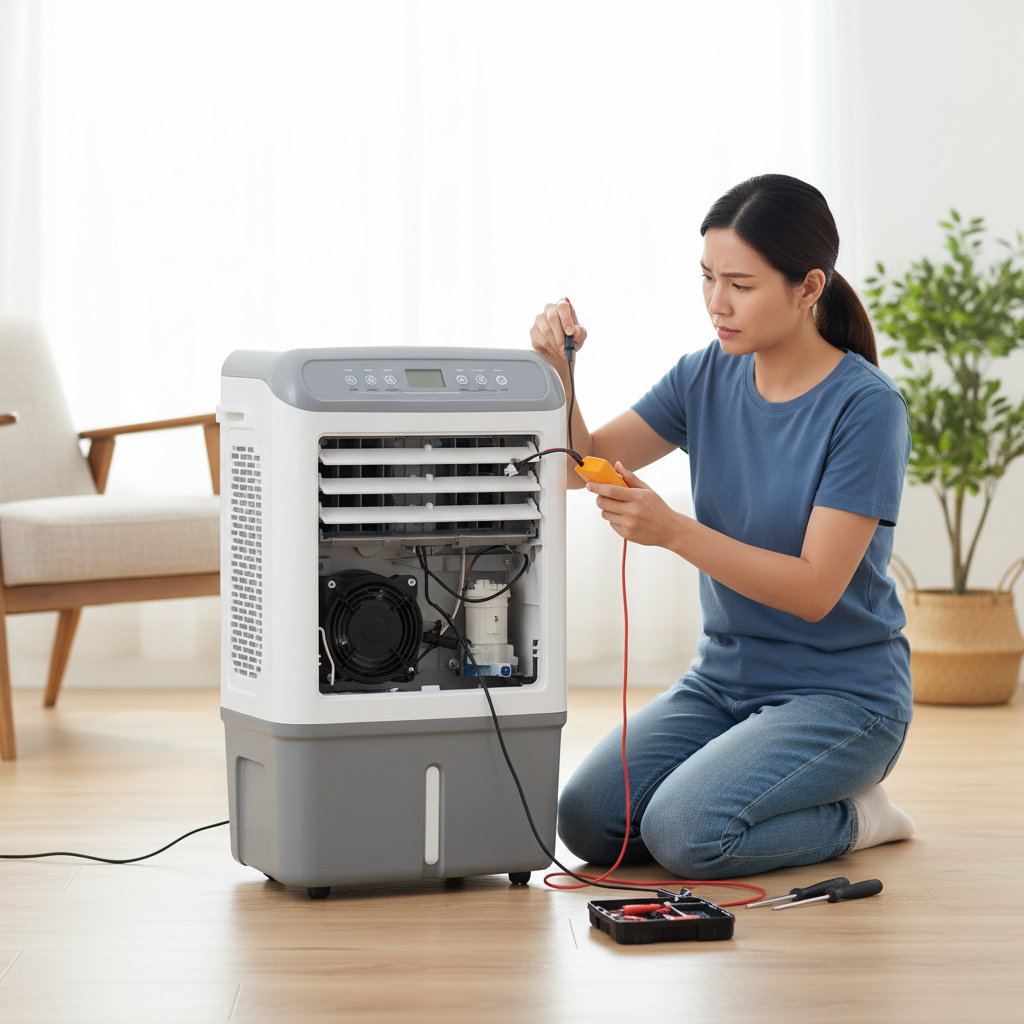
- Cooling Pads: Honeycomb pads are durable, but they still require cleaning. Remove them periodically (e.g., monthly during heavy use) and rinse them under running water to remove dust, mineral deposits, and debris. For extensive buildup, soak them in a mild detergent solution. Allow them to dry completely before reinstalling to prevent mold growth. Experts recommend replacing honeycomb pads every two to three seasons for optimal performance.
- Exterior: Wipe down the exterior of the cooler with a damp cloth to keep it dust-free.
- Pump: Check the water pump occasionally for blockages, especially if you notice reduced water flow to the pads.
Troubleshooting Common Issues
- No Cooling: Check water level, ensure the pump is working, and verify that cooling pads are wet. If the pads are clogged, clean or replace them.
- Bad Odor: This is usually due to stagnant water or dirty cooling pads. Clean the tank and pads thoroughly.
- Reduced Airflow: Clean the air filter and ensure no obstructions are blocking the air vents.
Important Considerations When Using an Air Cooler
Air coolers offer a wonderful alternative for cooling, but a few crucial points ensure you get the best experience and maintain a healthy environment. Understanding these can help you avoid common pitfalls.
Firstly, ventilation is paramount when using an air cooler. Unlike air conditioners that require sealed rooms, air coolers perform best when there’s an open window or door. This allows the warm, humid air to escape, promoting continuous airflow and efficient evaporation, which is the core of their cooling mechanism. Using an air cooler in a completely closed room can lead to an increase in humidity, making the environment feel muggy rather than cool.
Secondly, always use clean, fresh water in your cooler’s tank. Using dirty or contaminated water can not only lead to the growth of bacteria, mold, and algae but also impact air quality and produce unpleasant odors. Regularly changing the water and cleaning the tank is crucial for hygiene and efficient operation.
Finally, while air coolers are excellent for adding moisture to dry air, which can be beneficial for skin and respiratory health, they are not suitable for highly humid climates. In such environments, the air is already saturated with moisture, significantly hindering the evaporation process and rendering the cooler less effective. If you live in a region with consistently high humidity, an air conditioner might be a more appropriate choice for comfort.
Conclusion
Choosing the right air cooler can significantly enhance your comfort during the warmer months, offering an energy-efficient and eco-friendly alternative to traditional air conditioning. The McCoy 34 Liters Honeycomb Air Cooler stands out as a robust and feature-rich option in the personal and small-to-medium room segment, delivering reliable cooling with its efficient honeycomb pads, powerful air throw, and practical features like inverter compatibility and an ice chamber. Its durable construction and portability make it a versatile addition to any home. While it shines in dry climates and offers excellent value, understanding its limitations, particularly concerning high humidity and potential noise, is key to an informed purchase. By considering your specific needs and maintaining your unit properly, a McCoy air cooler can provide refreshing relief for many seasons to come.
What steps will you take to ensure your home stays comfortably cool this summer?
Frequently Asked Questions
How often should I clean the water tank of my air cooler?
For optimal hygiene and performance, it’s recommended to clean your air cooler’s water tank at least once a week, or even more frequently during heavy use. This prevents the buildup of mold, algae, and bacteria, ensuring fresh and healthy air circulation.
Can I use an air cooler in a humid climate?
While air coolers work by adding moisture to the air, their efficiency is significantly reduced in humid climates. The evaporation process, which is central to cooling, slows down when the air is already saturated with moisture, making the cooler less effective and potentially increasing discomfort.
What is the difference between honeycomb and wood wool pads?
Honeycomb pads, found in the McCoy 34L, are made from cellulose, offering superior water retention and a larger surface area for evaporation, leading to more efficient cooling and longer durability. Wood wool (grass) pads are less efficient, tend to deteriorate faster, and require more frequent replacement.
Is the McCoy 34L air cooler energy efficient?
Yes, the McCoy 34 Liters Honeycomb Air Cooler is highly energy-efficient, consuming only around 165 watts of power. This low power consumption translates into significant savings on electricity bills compared to air conditioners, making it an economical choice for cooling your home.
How do I know what size air cooler I need for my room?
To determine the right size, measure your room’s square footage and consider the cooler’s airflow (CMH/CFM) and cooling area specifications. The McCoy 34L, for instance, is suitable for rooms up to 250 square feet with an airflow of 1550 M³/hr, making it ideal for personal or small to medium-sized rooms.