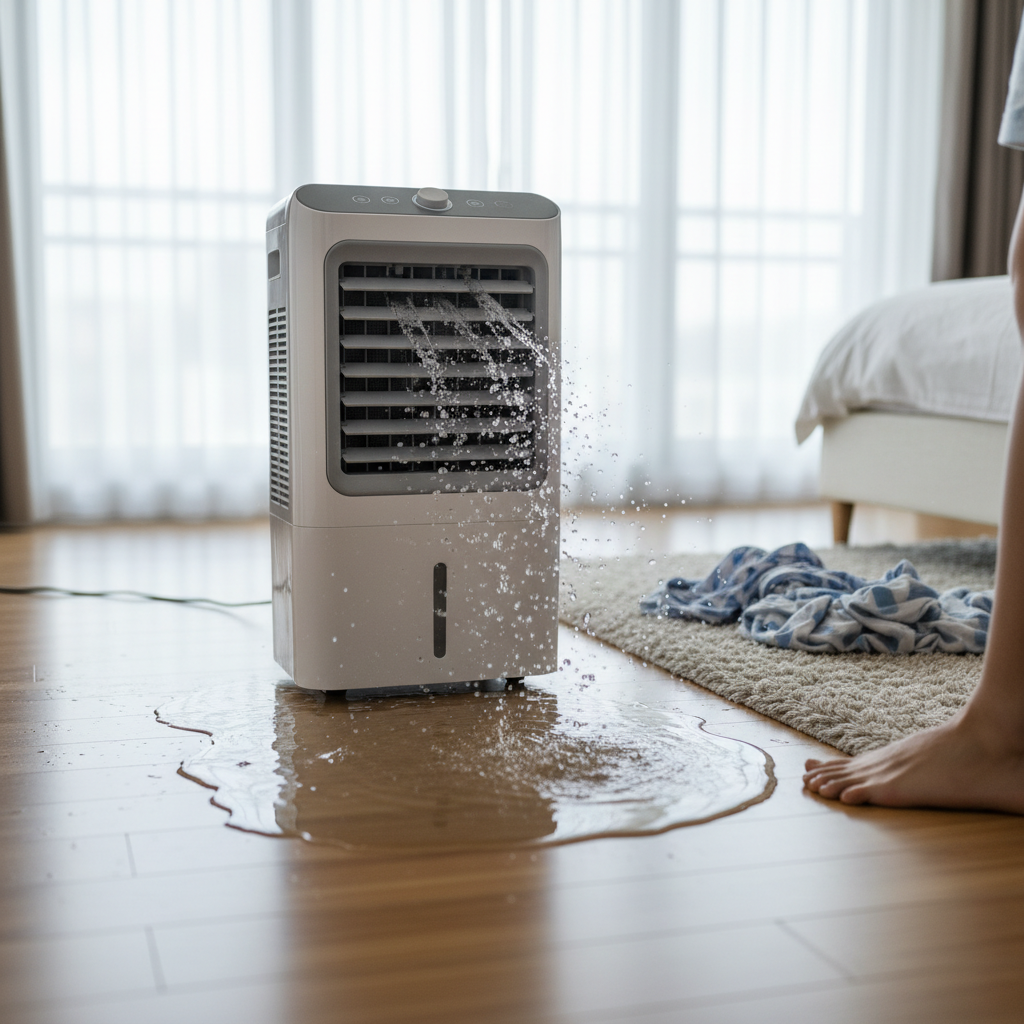
Waking up to a damp floor or finding unexpected water droplets spraying from your air cooler can be an alarming and frustrating experience. Your air cooler is designed to bring refreshing relief, not create an indoor puddle. If your evaporative cooler has suddenly started spitting or spraying water, it’s a clear sign that something isn’t quite right within its cooling mechanism. Understanding the root causes behind this messy problem is the first step towards a quick and effective fix, ensuring your home stays cool and dry.
Understanding How Your Air Cooler Works
Before diving into troubleshooting, let’s quickly recap how an air cooler, also known as a swamp cooler or evaporative cooler, operates. Unlike air conditioners that use refrigerants, air coolers achieve cooling through the natural process of water evaporation. A pump circulates water from a reservoir to wet absorbent pads. A fan then draws warm, dry air from your room through these saturated pads. As the warm air passes over the wet surfaces, the water evaporates, absorbing heat from the air and lowering its temperature. The now-cooled and humidified air is then blown back into your room, providing a refreshing breeze. For this system to work efficiently and cleanly, the water must remain contained within the unit, ensuring only cool, clean air is dispersed.
Common Reasons Your Air Cooler is Spitting Water
When an air cooler begins to spit or spray water, it indicates a disruption in this delicate evaporative process. Several common culprits can lead to this unwelcome shower.
Clogged or Dirty Cooling Pads
The cooling pads (also called evaporative media) are at the heart of your air cooler’s function. Over time, these pads can accumulate a variety of debris, including dust, dirt, pet dander, mineral deposits from hard water, and even mold or mildew.
When pads become heavily clogged, they can no longer absorb and distribute water evenly or allow air to pass through efficiently. This leads to two main issues:
- Uneven Wetting: Parts of the pad may become oversaturated while others remain dry, causing water to pool and drip.
- Restricted Airflow: The fan has to work harder, and the uneven airflow can pick up standing water droplets from the over-wet sections and blow them out.
Old, damaged, or degraded pads can also lose their structural integrity, leading to similar problems.
|
Our Picks for the Best Air cooler in 2026
As an Amazon Associate I earn from qualifying purchases.
|
||
| Num | Product | Action |
|---|---|---|
| 1 | Arctic Air Pure Chill 2.0 Evaporative Air Cooler by Ontel - Powerful, Quiet, Lightweight and Portable Space Cooler with Hydro-Chill Technology For Bedroom, Office, Living Room & More,Blue |

|
| 2 | DREO Tower Fan for Bedroom, 43" Cooling Fans That Blow Cold Air 2026 Upgraded, Evaporative Air Cooler, Quiet 80° Oscillating Floor Fan, Easy Cleaning, APP Control, 4 Modes & 4 Speeds, 12H Timer, Black |
|
| 3 | Portable Air Conditioners, Swamp Cooler Portable AC Unit for Room, Windowless Cooling Fan That Blow Cold Air w/Remote 5L Tank 12 Speeds 9H Timer, Evaporative Air Cooler for Bedroom Garage (White) |
|
| 4 | LEVOIT Tower Fan for Bedroom, 90° Oscillating Standing Fan with 28dB Quiet for Sleep, 25ft/s Velocity, 12H Timer, 5 Speeds 4 Modes, Remoter, Bladeless Room Fan for Home, Office, Indoor, 36 inch, White |
|
| 5 | 3-in-1 Portable Evaporative Air Cooler - 2000 CFM Swamp Cooler with 6.6-Gal Dual Tank & 4 Ice Packs, Remote Control, 12H Timer, Oscillating Cooling Fan for Large Room, Office, Mother's Day |
|
| 6 | Evaporative Air Cooler - Swamp Cooler with 3L Water Tank, 3 Modes & 3 Speeds, Remote Control, 12H Timer, 50° Oscillating Portable Bladeless Cooling Tower Fan For Room Bedroom Office Mother's Day |
|
| 7 | Midea 5,000 BTU EasyCool Small Window Air Conditioner - Cool up to 150 Sq. Ft. with Easy-to-Use Mechanical Controls and Reusable Filter, Perfect for Small Bedroom, Living Room, Home Office |
|
| 8 | DREO Tower Fan for Bedroom, 2026 Upgraded DC Motor, 28ft/s High Velocity, 20dB Ultra Quiet Standing Fan, 8 Speeds 4 Modes, 90° Oscillating Bladeless Fan for Indoors, Floor Fans with Remote, Black |
|
| 9 | Portable Air Conditioners, 3-IN-1 Evaporative Air Cooler,Cooling Fans that Blow Cold Air with 60° Oscillation,9H Timer,3 Modes & 12 Speeds, 8 Ice Packs, Windowless Portable AC for Room,Bedroom,Office |
|
| 10 | DREO Evaporative Air Swamp Cooler, 43" Cooling Fans that Blow Cold Air 2026 Upgraded, 80° Oscillating Floor Fan for Bedroom, Easy Cleaning, APP Control, Ice Packs, 4 Speeds & 4 Modes, 12H Timer, White |
|
Water Distribution System Issues
The system responsible for getting water to your cooling pads can also be a source of trouble.
- Clogged Spray Bar or Water Spreader Holes: Many air coolers use a spray bar or distribution tray with small holes to evenly drip water onto the pads. If these holes get blocked by mineral scale (calcium buildup), dust, or other debris, the water flow becomes erratic. Instead of a gentle drip, water might spray or gush unevenly, creating splashes that the fan can then pick up.
- Malfunctioning or Clogged Water Pump: The water pump is crucial for lifting water from the reservoir to the distribution system. If the pump is dirty, clogged with sediment, or simply wearing out, it may not deliver water consistently or with adequate pressure. Conversely, a pump that’s too powerful or unregulated might deliver an excessive amount of water, overwhelming the pads.
- Blocked Hoses or Pipes: The tubes or hoses connecting the pump to the spray bar can also become blocked or kinked, impeding proper water flow and leading to pressure imbalances that cause spitting.
Incorrect Water Level or Float Valve Problems
The water level in your cooler’s reservoir is critical.
- Overfilling the Reservoir: If the water level is too high, either manually or due to an issue, the reservoir can overflow. This excess water can then be churned by the fan or simply spill out of the unit.
- Faulty or Misadjusted Float Valve: Many air coolers have a float valve that automatically controls the water level, similar to a toilet tank. If this valve is stuck open, set too high, or is malfunctioning, it can cause the reservoir to continuously fill and overflow, leading to leaks and spitting.
Improper Installation or Pad Fitment
Sometimes, the issue isn’t a mechanical fault but rather an installation oversight.
- Gaps Around Cooling Pads: If the cooling pads are not seated correctly or there are gaps between the pads and the unit’s housing, water can escape the intended evaporation path. These errant water droplets are easily caught by the fan’s powerful airflow and expelled into the room.
- Unit Not Level: While less common for portable units, fixed evaporative coolers or even some window-mounted types need to be perfectly level or slightly tilted outwards to ensure water drains and circulates properly. An improper tilt can cause water to pool where it shouldn’t or even flow back into the room.
Excessive Water Flow or Pump Speed
Some air coolers, especially larger or older models, might have a pump that delivers more water than the pads can efficiently absorb, or a pump with an adjustable speed set too high. This leads to oversaturated pads where the water simply “shears” off under the fan’s force, creating a fine mist or droplets that get blown out.
Step-by-Step Troubleshooting and Fixes
Addressing a spitting air cooler typically involves a series of diagnostic and cleaning steps. Always remember safety first!
Safety First: Unplug the Unit
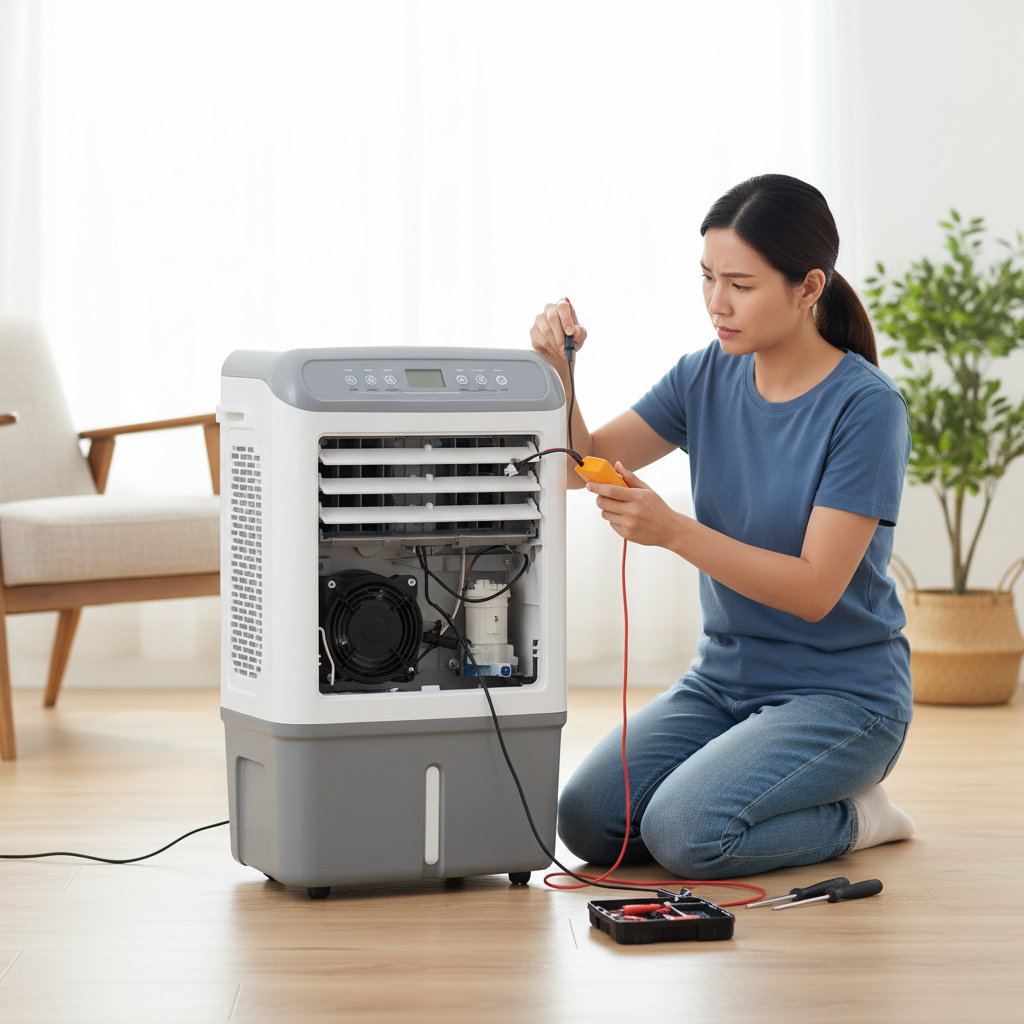
Before you begin any inspection or repair, always turn off your air cooler and unplug it from the power outlet. This prevents accidental starts and reduces the risk of electric shock.
Inspect and Clean Cooling Pads
- Remove Pads: Carefully remove the cooling pads from your unit. The method varies by model, but usually involves unclipping or sliding them out.
- Inspect for Damage/Buildup: Look for any signs of physical damage, excessive dirt, dust, mineral scale (white crusty deposits), or mold.
- Clean Pads: If the pads are dirty but otherwise intact, gently rinse them under running water. For heavy mineral buildup, you can soak them in a solution of equal parts white vinegar and water for an hour before rinsing thoroughly.
- Replace if Necessary: If the pads are visibly damaged, crumbling, or heavily caked with buildup that cannot be cleaned, it’s best to replace them. Most manufacturers recommend replacing pads every 1-3 years, depending on usage and water hardness.
- Re-install Correctly: Ensure the cleaned or new pads are seated firmly and correctly in their slots, with no gaps around the edges.
Check and Clear the Water Distribution System
- Inspect Spray Bar/Spreader: Examine the spray bar or water distribution tray at the top of the pads. Look for clogged holes.
- Clean Obstructions: Use a small brush (like a toothbrush or pipe cleaner) or a needle to clear any blocked holes. For stubborn mineral deposits, a descaling solution (like diluted vinegar or a commercial descaler) can be run through the system (follow product instructions carefully).
- Inspect Water Pump: Locate the water pump in the reservoir. It often has a small filter or screen on its intake. Clean any mud, dirt, or debris from this screen. Check for any obvious damage or loose wires.
- Check Hoses and Pipes: Trace the hoses from the pump to the distribution system. Ensure they are free of kinks, blockages, or cracks. Clean any visible debris inside them.
- Test Pump (Carefully): With the unit reassembled (but power still off), manually add water to the reservoir. Briefly plug in the unit and turn it on to a low setting to observe the water pump and distribution. If water still doesn’t flow correctly or the pump sounds unusual, it may need replacement.
Verify Water Level and Float Valve
- Check Water Level: Fill the reservoir to the recommended maximum level, usually indicated by a line. Avoid overfilling.
- Inspect Float Valve: If your cooler has a float valve, gently move the float arm up and down to ensure it moves freely. Check if the valve itself is leaking or if its setting allows the water to rise too high. You may be able to adjust the float arm to lower the maximum water level. If it’s constantly leaking or stuck, it might need replacement.
- Monitor During Operation: Once you’ve made adjustments, observe the water level as the cooler runs. It should maintain a steady level without overflowing.
Ensure Proper Pad Installation
- Secure Fit: Double-check that all cooling pads are securely fitted into their respective frames or slots, leaving no gaps where water could escape the main airflow path.
- Level Surface: For portable coolers, ensure the unit is on a flat, level surface. For window-mounted units, confirm it has a slight outward tilt to facilitate proper drainage.
Preventative Maintenance to Avoid Future Spitting
Consistent maintenance is key to preventing your air cooler from spitting water and ensuring its longevity.
- Regular Cleaning Schedule: Aim to clean your air cooler thoroughly every 2-4 weeks during peak usage. This includes rinsing the pads, emptying and cleaning the water reservoir to prevent algae and bacterial growth, and cleaning the pump and distribution system.
- Use Clean Water: Always use clean, fresh water in your air cooler. Hard water, rich in minerals, can accelerate scale buildup. If you live in an area with very hard water, consider using distilled or filtered water, or a descaling tablet specifically designed for air coolers.
- Descaling Treatments: Periodically, run a descaling solution (like diluted white vinegar) through your cooler’s system to break down mineral deposits, especially if you notice white crusty buildup. Follow the manufacturer’s instructions.
- Seasonal Checks: Before storing your air cooler at the end of the season, give it a thorough cleaning and ensure it’s completely dry to prevent mold and mildew. At the start of the next season, perform a full inspection before first use.
When to Call a Professional
While many spitting water issues can be resolved with DIY troubleshooting, there are times when professional help is warranted. If, after performing all the recommended checks and fixes, your air cooler continues to spit water, or if you encounter electrical issues, damaged internal components, or a faulty motor that you’re uncomfortable replacing, it’s best to call a qualified appliance technician. They can accurately diagnose complex problems and perform repairs safely.
Conclusion
An air cooler spitting water is a common issue, often stemming from easily rectifiable problems like dirty pads, clogged water lines, or an incorrect water level. By understanding the underlying causes and following these step-by-step troubleshooting tips, you can quickly restore your unit to optimal performance, ensuring it provides consistent, refreshing cool air without any unwanted splashes. Regular maintenance is your best defense against such problems, keeping your air cooler running smoothly season after season. What’s your top tip for keeping your air cooler in perfect working order?
Frequently Asked Questions
Is it normal for an air cooler to spray water?
No, it is not normal for an air cooler to intentionally spray water into the room. While they use water for cooling, the process should keep the water contained within the unit, releasing only humidified cool air. If water is spraying out, it indicates a problem with the unit.
How often should I clean my air cooler pads?
It’s recommended to clean your air cooler pads every 2 to 4 weeks during regular use, especially if you live in an area with hard water or high dust. This prevents mineral buildup, mold, and ensures efficient cooling and proper water flow.
Can hard water cause my air cooler to spit?
Yes, hard water is a common culprit. The minerals in hard water can accumulate on cooling pads and clog the water distribution system’s holes over time. This buildup can disrupt water flow, causing uneven saturation of the pads and leading to water spitting or spraying.
What happens if I overfill my air cooler?
Overfilling your air cooler can cause water to overflow from the reservoir, leading to leaks onto your floor or surrounding areas. It can also overwhelm the cooling pads and water distribution system, potentially causing the fan to pick up excess water droplets and blow them out of the unit.